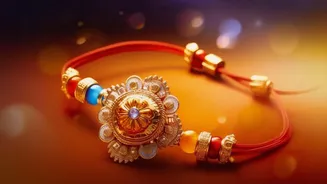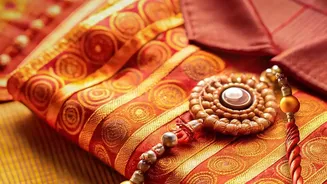



What Exactly is a Plantable Rakhi?
A plantable rakhi is an eco-friendly alternative to the conventional plastic and polyester rakhis that dominate markets. These are handcrafted from biodegradable materials like recycled paper pulp, organic cotton threads, clay, and natural dyes. Embedded
within the central design are seeds of vegetables, flowers, or herbs—such as marigold, tomato, basil, or sunflower. After the festival, instead of being thrown away, the entire rakhi can be planted in soil. With a little water and sunlight, it sprouts into a plant, creating a living memory of the celebration.
A Symbol That Truly Grows
The appeal of a seed rakhi goes far beyond its novelty. For many, it offers a powerful and literal symbolism. A sibling bond is meant to be nurtured and to grow stronger over time; a plant that sprouts from the rakhi embodies this sentiment perfectly. It transforms a single-day gesture into a lasting experience. Every time a sibling waters the plant or sees it grow, it serves as a living reminder of their connection, long after the festivities have ended. This creates a deeper emotional resonance than a traditional rakhi that is often stored away or discarded.
An Expression of Modern Values
Choosing a plantable rakhi is also a statement of personal values. For a growing number of Indians, particularly younger generations, sustainability is no longer a niche interest but a core principle. Opting for an eco-friendly rakhi is a conscious decision to reduce waste and celebrate festivals more mindfully. Traditional rakhis are often made with plastic beads, synthetic threads, and chemical-based adhesives that are harmful to the environment and take centuries to decompose. By contrast, a plantable rakhi is zero-waste, returning to the earth and leaving behind life instead of pollution. This aligns with a broader desire to make consumer choices that have a positive purpose.
Supporting Artisans and Local Economies
The rise of seed rakhis also has a significant social impact. Many of these beautiful creations are not mass-produced in factories but are handcrafted by local artisans, rural women's groups, and small, eco-conscious businesses across India. Purchasing these products helps create sustainable livelihoods and preserves traditional craftsmanship. For many of the women involved, this work provides a crucial source of income, empowering them and their communities. This adds another layer of meaning to the act of giving, knowing that the celebration supports both the planet and its people.
A Hands-On and Joyful Experience
Finally, the process itself is simple and engaging. Planting the rakhi becomes a small, post-festival ritual for the family. The steps are easy: soak the seed paper, place it under a thin layer of soil, keep it moist, and ensure it gets adequate light. Watching the first sprouts emerge, typically within a week or two, brings a unique sense of joy and accomplishment, especially for children. It’s an educational and interactive way to teach the next generation about nature and sustainability, blending tradition with a hands-on activity that extends the festive spirit.