
Why Bhandardara Is a Monsoon Dream
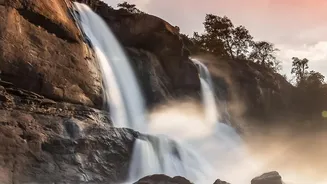
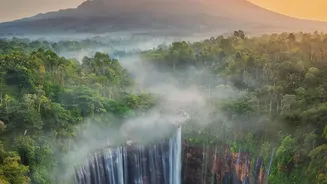
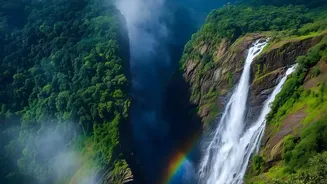
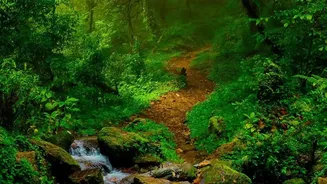
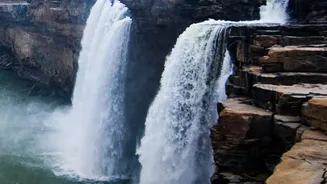
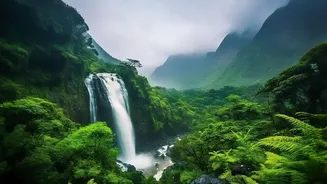
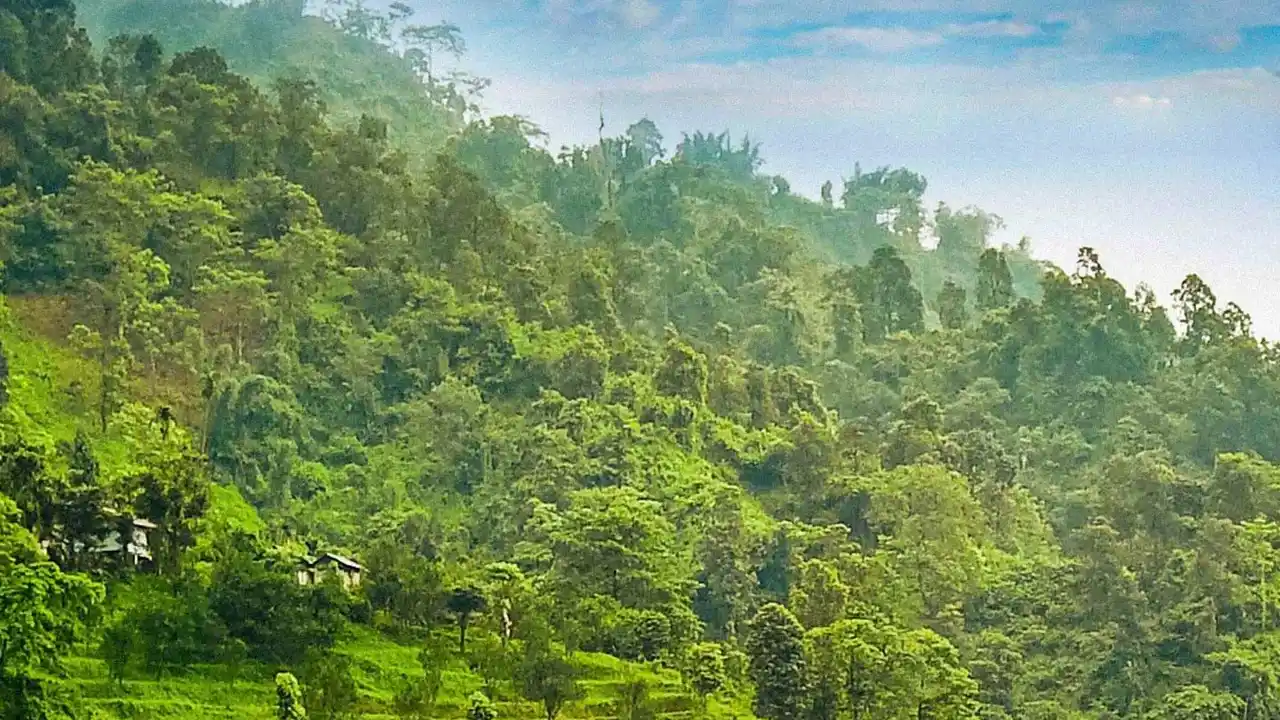
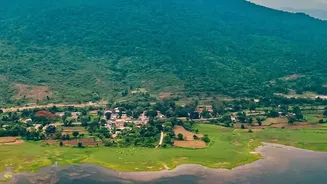
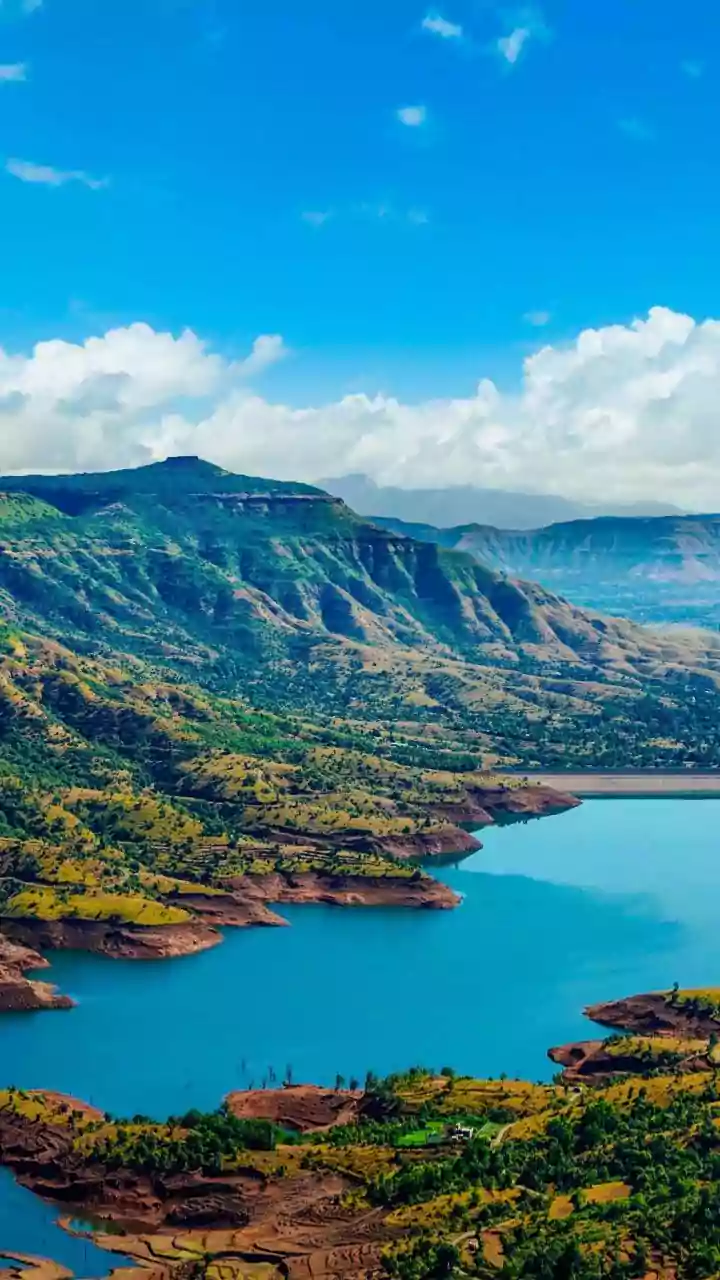
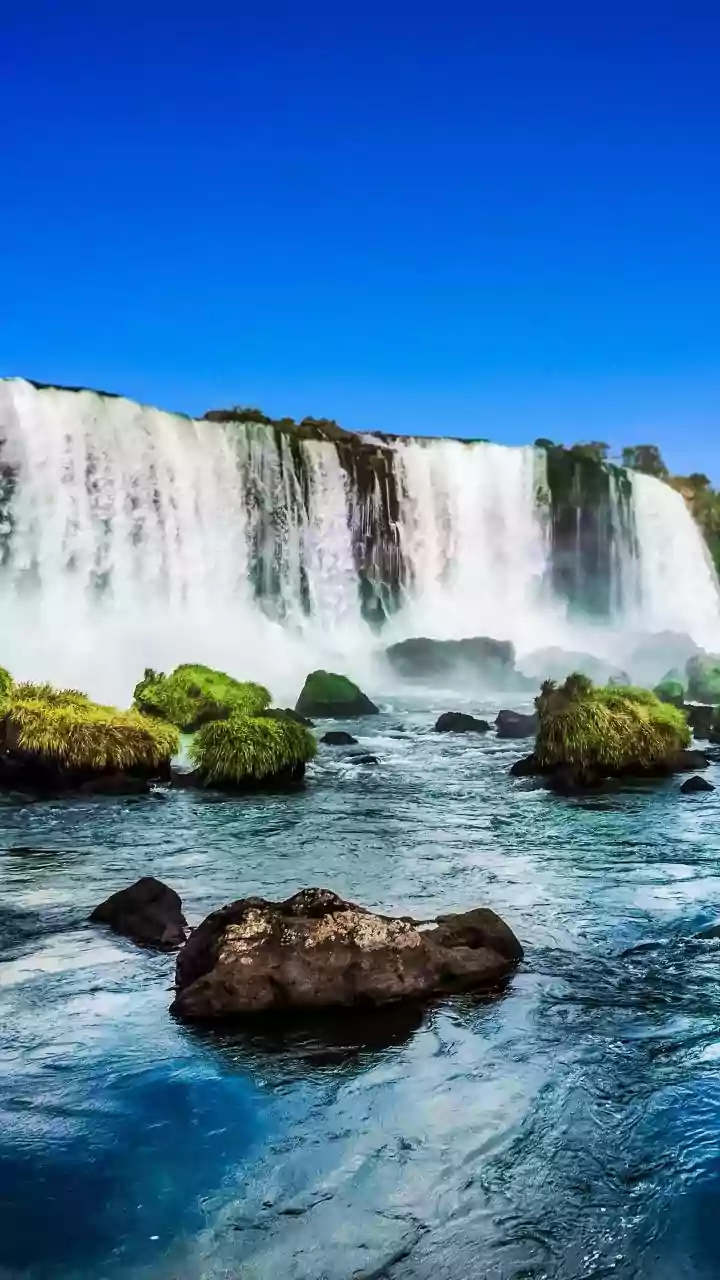
Bhandardara, a quiet resort village in the Sahyadri mountain range, truly comes alive between June and September. The rains feed the landscape, turning the entire region into an emerald-green wonderland. This is when waterfalls, both famous and hidden,
are at their most powerful, and the hills are draped in a thick, romantic fog. While popular spots like Randha Falls draw significant crowds, the real charm lies in finding the smaller, less-frequented cascades and viewpoints that offer a more serene experience. The cool, misty weather and the sound of rushing water make it an ideal escape from urban life.
Getting There From Pune
Reaching Bhandardara from Pune is a scenic road trip of about 165 kilometres. The drive typically takes around 4 to 5 hours, making it a perfect weekend destination. The most common route is to take the Pune-Nashik highway (NH60) to Sangamner, and from there, turn towards Akole, which leads to Bhandardara. While the highways are generally in good condition, the final stretch involves ghat roads that can be narrow and winding, requiring careful driving, especially during heavy rains. For those without a car, MSRTC buses connect Pune to Igatpuri, the nearest major town, from where you can hire a local taxi or another bus to reach Bhandardara.
Discovering Offbeat Waterfalls
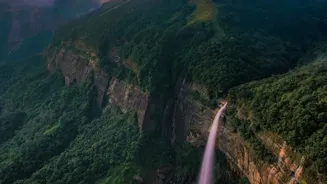
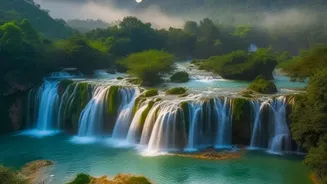
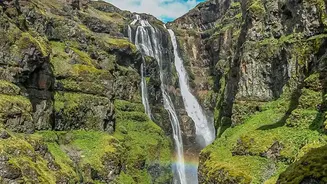
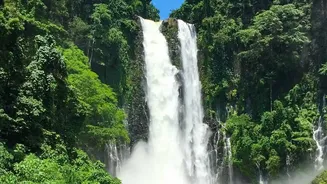
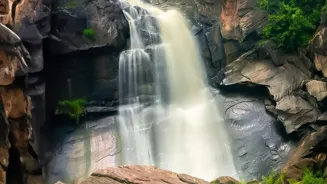
To truly experience offbeat Bhandardara, venture beyond the main attractions. While Umbrella Falls is popular, it's seasonal and dependent on water release from Wilson Dam. For a more unique experience, seek out Necklace Waterfall, which resembles a string of pearls as it cascades down the rocks. Other lesser-known gems that tour operators often include in 'waterfall circuits' are Nhani, Vasundhara, and Kolthembe waterfalls. These spots are often tucked away and may require a short walk or drive through rural landscapes, but they reward visitors with pristine beauty and fewer tourists, offering a perfect backdrop for nature lovers and photographers.
Chasing Fog on the Hills and Forts
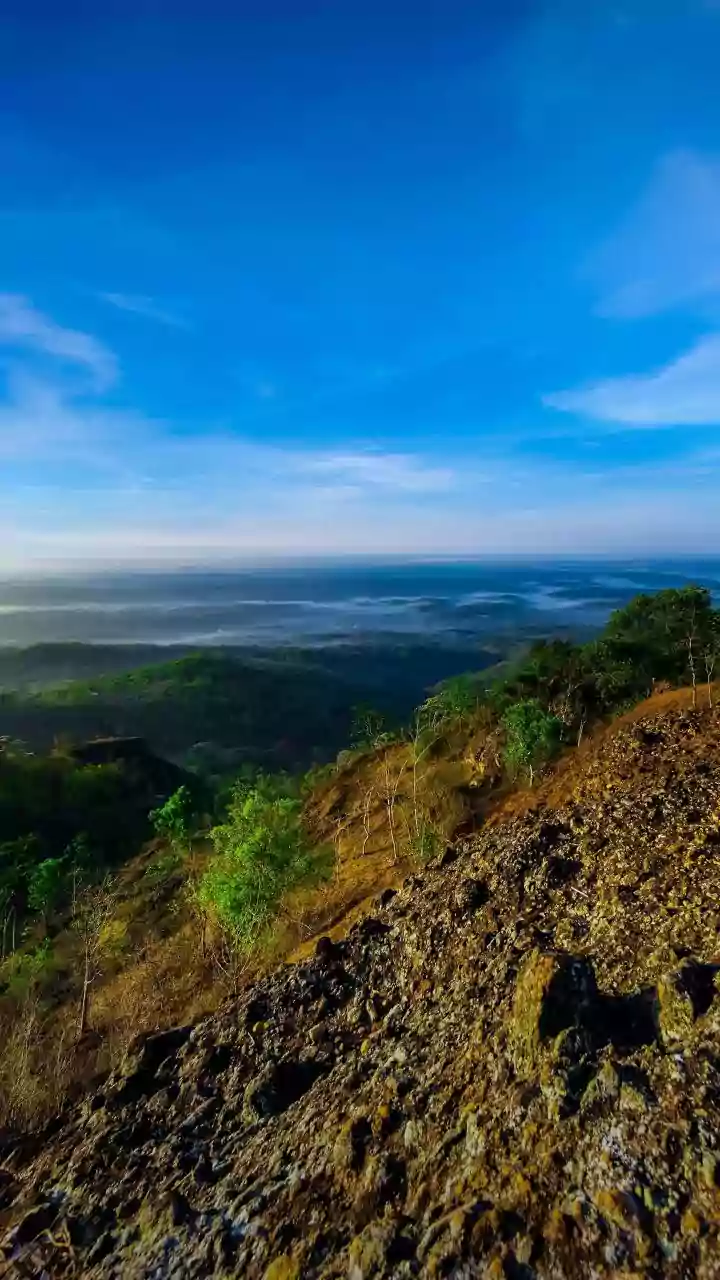
The foggy hills of Bhandardara are as much of an attraction as its waterfalls. While viewpoints near Wilson Dam and Arthur Lake offer stunning panoramas of water enveloped in mist, the real adventure lies in trekking. For a moderate challenge, the trek to Ratangad Fort is highly recommended. This 2000-year-old fort, often called the 'Jewel of the Forts', offers breathtaking views from its peak, including a famous natural rock cavity known as the 'Eye of the Needle' (Nedhe). During the monsoon, the trail is lush and alive with small streams, and the fort itself is often shrouded in clouds, creating a mystical atmosphere. The trek starts from Ratanwadi village, which is also home to a historic temple.
A Touch of Ancient History
Your journey to the offbeat side of Bhandardara is incomplete without visiting the Amruteshwar Temple in Ratanwadi. Believed to be over 1,200 years old, this ancient temple is dedicated to Lord Shiva and is a remarkable example of Hemadpanthi architecture, constructed from intricately carved black stone. Located on the banks of the Pravara River, the temple’s serene and spiritual ambiance provides a peaceful contrast to the roaring waterfalls. It serves as the base for the Ratangad trek, making it a perfect spot to visit before or after your hike, connecting you to the rich history of the region.
Essential Tips for Your Trip
To make the most of your Bhandardara experience, a little preparation goes a long way. The monsoon season is the best time to visit for waterfalls and greenery, but be prepared for rain. Pack appropriate rain gear and wear sturdy trekking shoes with a good grip, as trails can be slippery. The final roads to Bhandardara are hilly, so drive cautiously. While some hotels exist, booking accommodation in advance is wise, especially on weekends. Network connectivity can be patchy in remote areas, so it's a good idea to download maps offline. Carry some cash, as not all small eateries or local shops will accept digital payments.