





The Appeal of a Living Air Filter
In our quest for healthier living spaces, especially in urban India, the idea of a plant that doubles as a natural air purifier is incredibly appealing. We are increasingly aware of indoor air pollutants, often called Volatile Organic Compounds (VOCs),
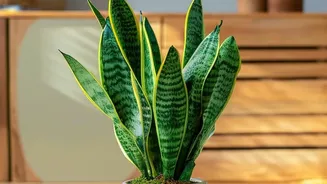
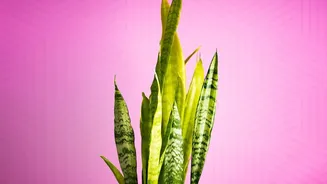
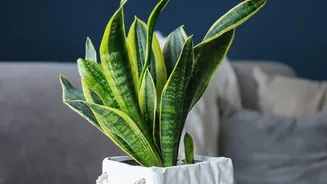
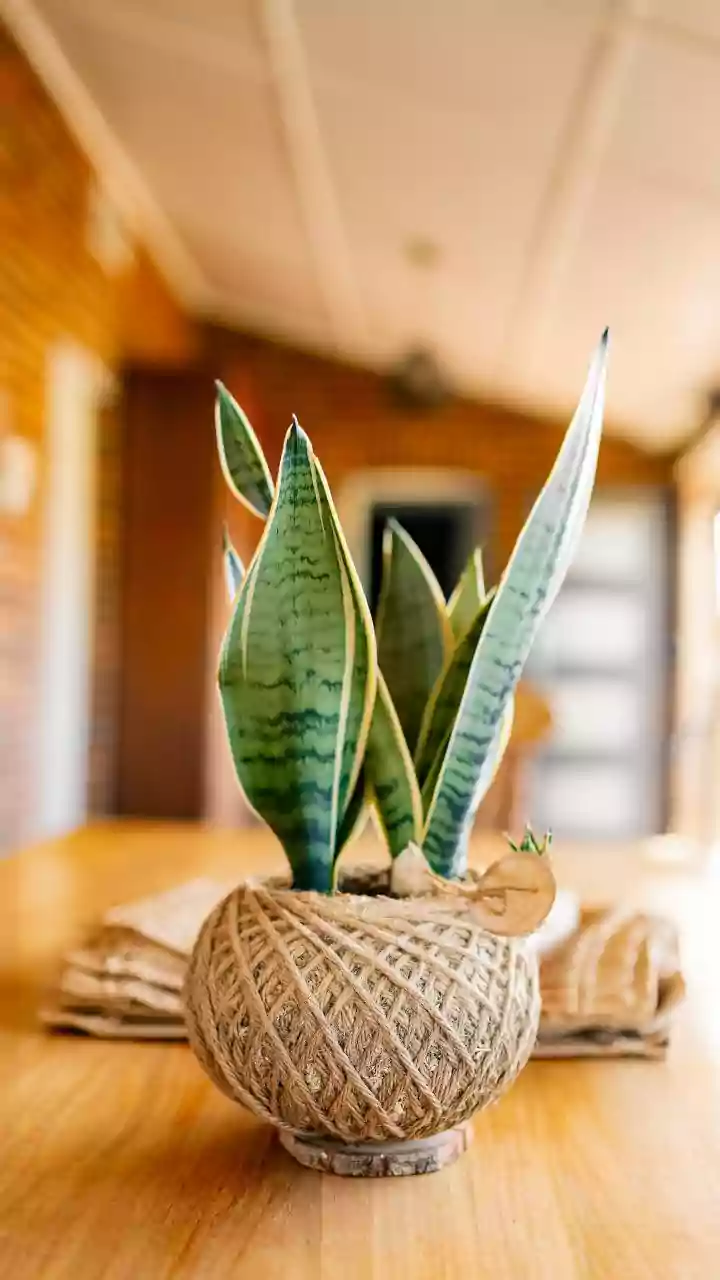
which can be released from everyday items like paint, cleaning products, furniture, and even incense sticks. These chemicals, including formaldehyde and benzene, can contribute to poor indoor air quality. Enter the snake plant, or Sansevieria trifasciata, a hero of countless wellness blogs and design magazines, celebrated for its ability to absorb these very toxins. Its popularity stems from this promise: a simple, green solution to a complex, invisible problem.
The Science Behind the Sponge Effect
The claims about the snake plant's abilities are rooted in real science, most famously a 1989 NASA Clean Air Study. Researchers were looking for ways to clean the air in sealed space stations and found that certain houseplants, including the snake plant, were effective at removing toxic compounds from the air. The plant absorbs these pollutants through tiny pores on its leaves, called stomata. From there, the toxins are transported to the root system, where microorganisms in the soil help break them down into harmless components that the plant can use. The study highlighted the snake plant's proficiency in filtering substances like formaldehyde, xylene, benzene, and trichloroethylene.
A Breath of Fresh Air, at Night
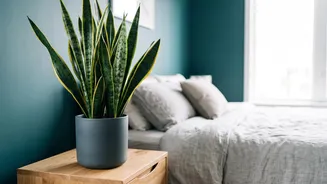
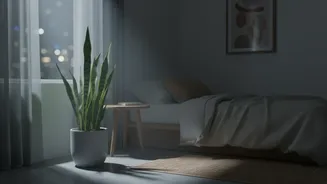
What truly sets the snake plant apart and makes it a bedroom favourite is its unique photosynthetic process. Most plants absorb carbon dioxide and release oxygen during the day. The snake plant, however, uses a special method called Crassulacean Acid Metabolism (CAM). This is an adaptation for arid environments, allowing the plant to open its stomata at night to take in CO2, which minimizes water loss during the hot day. A byproduct of this nighttime process is the release of oxygen. This is why it's often recommended for bedrooms—while other plants are consuming oxygen overnight, the snake plant is technically releasing it, contributing to a fresher environment while you sleep.
The Reality in Your Bedroom
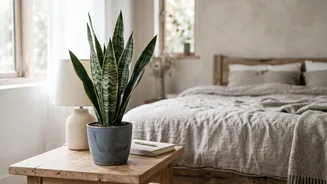
Here is the crucial context often missing from enthusiastic recommendations. The NASA study was conducted in small, perfectly sealed laboratory chambers—a setting vastly different from a typical home bedroom with drafts, open doors, and general air circulation. While snake plants absolutely do absorb VOCs and release oxygen at night, the volume is quite small in the context of an entire room. You would need a very large number of plants—some estimates suggest 6 to 8 mature plants per person—to have a truly significant, measurable impact on air quality. So, will one or two snake plants on your nightstand magically purify your room? No. The effect is real, but modest. Opening a window for a few minutes will exchange far more air.
More Than Just Molecules
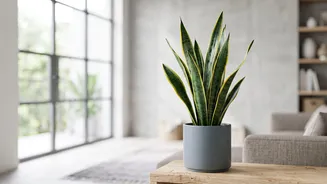
To dismiss the snake plant based on its modest air-purifying statistics would be to miss the point entirely. The benefits of having plants indoors extend far beyond VOC removal. Studies have shown that the presence of greenery can help reduce stress, boost mood, and even improve focus. The simple act of caring for a living thing can be a mindful, rewarding practice. Aesthetically, the snake plant’s strong, architectural leaves add a touch of modern, natural beauty to any decor. It serves as a visual reminder of nature, which has its own calming effect. These psychological benefits are just as valuable, if not more so, than the plant's molecular-level work.
Caring For Your Green Roommate
Perhaps the greatest feature of the snake plant is how forgiving it is, making it perfect for beginners or busy individuals. It thrives on a bit of neglect. The most common mistake is overwatering, which can lead to root rot. Allow the soil to dry out completely between waterings—this could mean watering as infrequently as every 2-4 weeks, or even less in the winter. Snake plants are also highly adaptable to different light conditions. While they prefer bright, indirect light, they can tolerate low-light corners, making them one of the most versatile houseplants you can own.