




Understanding the Allure of Microgravity
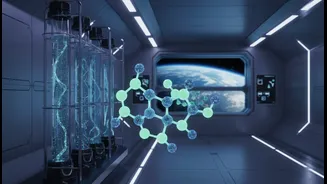
Microgravity, often simplified as 'zero gravity', is the condition of near-weightlessness experienced in space. On Earth, gravity influences everything, from the way a flame burns to how our bodies function. In space, these fundamental processes behave
differently. Fluids mix without the effects of buoyancy, crystals can grow with near-perfect structure, and biological systems reveal secrets hidden by gravity's constant pull. This unique environment is not just a novelty; it is a powerful laboratory for discovery. Research in microgravity can lead to breakthroughs in medicine, the development of advanced materials, and innovations in manufacturing that have applications both in space and back on Earth.
ISRO's Gateway to the Stars: IMEx-2026
At the forefront of this educational push is the Indian Space Research Organisation (ISRO). Recognizing the need to cultivate a new generation of space scientists, ISRO has launched the Indian Microgravity Experiments programme, known as IMEx-2026. This Announcement of Opportunity invites proposals from the Indian research community, including universities, labs, and even startups, to design and build experiments for space. The initiative is directly linked to India's ambitious human spaceflight goals, including the Gaganyaan programme and the future Bharatiya Antariksh Station. Rather than treating these missions purely as technological feats, ISRO is transforming them into platforms for cutting-edge science, conceptualized and developed by the nation's brightest minds.
From Proposal to Orbit
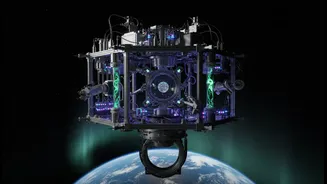
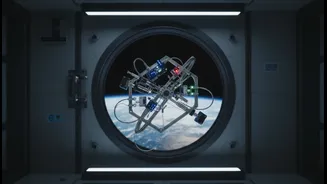
The path for a student's idea to reach orbit is structured and supportive. Researchers, including student teams guided by principal investigators, can submit proposals in a wide range of fields. These include materials science, space biology, biotechnology, pharmacology, and fluid physics, among others. The application process is competitive, with a deadline of February 28, 2026, for the current cycle. Selected proposals must first demonstrate feasibility through ground-based testing. Throughout the development process, ISRO provides crucial mentorship, technical guidance, and engineering coordination to help ensure the experiments are a success. This hands-on guidance is invaluable, bridging the gap between academic theory and the practical realities of spaceflight engineering.
Building the Future of Indian Space Exploration
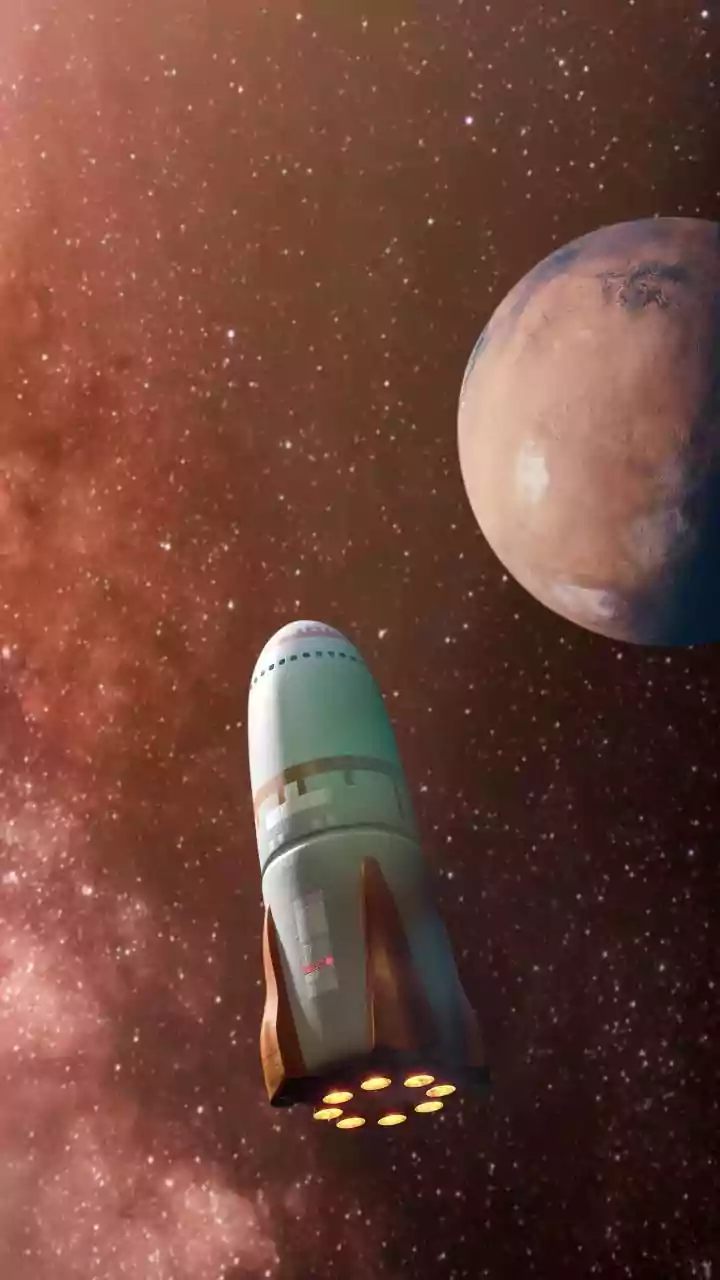
These initiatives are about more than just individual experiments; they represent a long-term investment in India's scientific future. By giving students and researchers direct access to space, ISRO is building a skilled workforce and a robust R&D ecosystem. This is critical for sustaining long-duration missions and establishing a human presence in Low Earth Orbit. The opportunities extend beyond ISRO, with a burgeoning private space sector in India also focusing on creating platforms for microgravity research. Companies are developing reusable spacecraft designed to carry experiments to orbit and return them safely, signaling a new era of commercial and academic collaboration in space. This synergy between government and private enterprise is set to accelerate innovation and make space more accessible than ever.