


The Science Behind the Spectacle
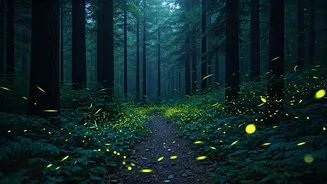
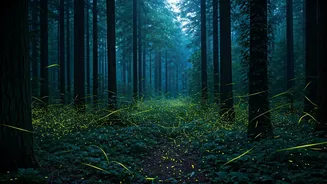
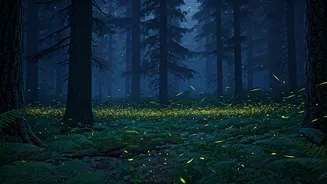
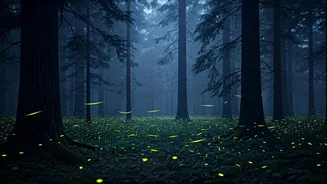
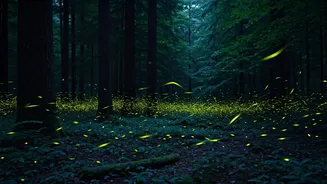
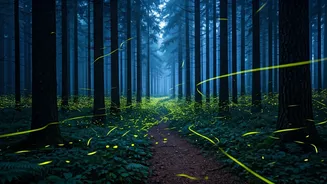
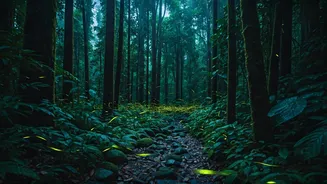
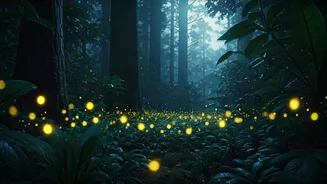
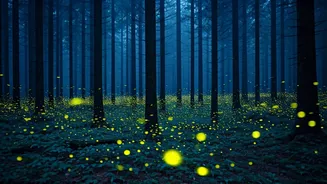
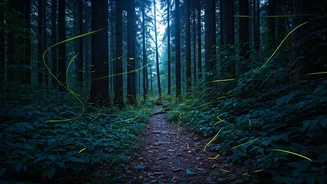
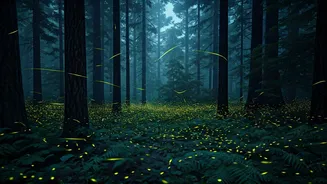
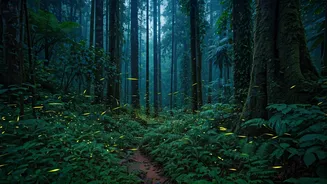
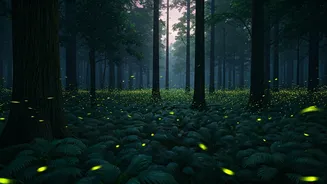
This mesmerising display is the work of fireflies, or jugnu, engaged in their annual mating ritual. The light they produce is a form of bioluminescence, a chemical reaction within their bodies involving a compound called luciferin, the enzyme luciferase,
and oxygen. For these insects, it’s a silent language of love. Each species has its own unique flashing pattern—a specific rhythm and colour that helps males and females find each other in the dark. The males fly around, flashing their signals, while the typically less mobile females watch from branches and respond if they see a pattern they like. What we witness as a breathtaking natural light show is, in fact, one of nature's most enchanting courtships, a fleeting performance that lasts for just a few weeks each year before the monsoon rains arrive.
Why It's a Bucket List Experience
In a world saturated with digital screens and artificial lights, the experience of standing in near-total darkness, surrounded by this gentle, natural illumination, is profoundly grounding. It’s a multi-sensory event: the cool pre-monsoon air, the scent of damp earth and blooming flowers, the symphony of nocturnal insects, and the overwhelming, silent beauty of the lights. Unlike a safari where you might be chasing a glimpse of a single animal, firefly congregations are an immersive phenomenon. You don't just see it; you are in it. It’s a powerful reminder of the intricate, delicate magic that thrives in the natural world, often just a short journey away from our bustling cities. This ephemeral event connects us to the cycles of nature in a way few other experiences can, making it a truly unforgettable memory.
Purushwadi, Maharashtra: A Community Celebration
Perhaps the most famous firefly destination in India, the village of Purushwadi in Maharashtra hosts an annual Firefly Festival. Organised by community-based tourism initiatives, it offers an authentic rural experience alongside the main event. Every year, typically from late May to mid-June, millions of fireflies congregate in the trees here, creating a dazzling spectacle. Visitors can stay in tents or traditional homestays, enjoy local food, and go on guided night walks to witness the phenomenon. Because it’s an organised event, it helps ensure that tourism is managed sustainably, with proceeds benefiting the local community. Booking in advance is highly recommended as its popularity has soared in recent years.
Bhandardara, Maharashtra: The Lakeside Wonder
Nestled in the Sahyadri mountain range, Bhandardara is another hotspot for firefly-watching. The region, known for its lush greenery, waterfalls, and the serene Arthur Lake, becomes a magical landscape during the pre-monsoon season. Various spots around the Wilson Dam and Arthur Lake offer incredible views of trees lit up by swarms of fireflies. Many local operators and trekking groups organise camping and night walk events specifically for this. The combination of the reflective water, dense forests, and countless fireflies makes Bhandardara a particularly photogenic and atmospheric destination for nature lovers seeking a bit more adventure.
Anamalai Tiger Reserve, Tamil Nadu: A Wild Canvas
For those seeking a wilder, more untouched experience, the Anamalai Tiger Reserve offers a spectacular backdrop for firefly watching. Within this protected area, the congregations are vast and undisturbed. The phenomenon here is part of a larger, intact ecosystem, and witnessing it feels like stepping back in time. Access is regulated to protect the wildlife, so a trip here requires more planning. You’ll need to book accommodation with forest department-approved resorts or guesthouses and rely on official guides to take you to safe and appropriate viewing spots. The experience is less about festival fun and more about a deep, quiet immersion in pristine nature.
A Guide to Responsible Viewing
The magic of fireflies is delicate. To ensure these populations continue to thrive for years to come, it's crucial to be a responsible visitor. First, avoid using flashlights or your phone's flash. The artificial light interferes with their mating signals and can disrupt the entire cycle. Let your eyes adjust to the dark naturally. Second, maintain silence. Loud noises disturb the insects and the nocturnal environment. Third, stick to the designated trails to avoid trampling on female fireflies or their larvae on the ground. Never try to catch them. The best way to honour this natural wonder is to observe it quietly and leave the environment exactly as you found it.