


The Rise of the Awkward Corner
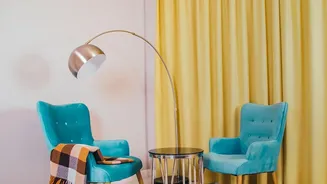
Every home has one: that odd corner, the sliver of wall by a doorway, or the space under the stairs that defies conventional furniture. For years, these spaces were ignored, becoming magnets for clutter or dust bunnies. Today, however, designers and clever
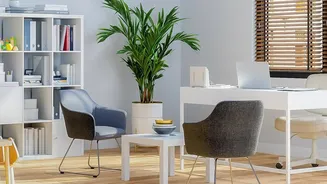
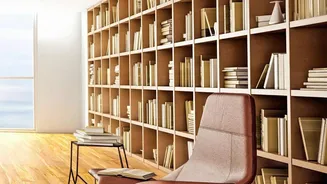
homeowners are transforming these once-neglected nooks into functional, stylish hubs. This trend isn't just about filling a space; it's a creative response to our changing needs. With more people working from home, every square inch counts. Instead of seeing an architectural quirk, we now see potential—a cosy reading nook, a mini-library, or, most commonly, a compact and efficient work area. This shift embraces the unique character of a home, turning potential design flaws into celebrated features.
More Zone, Less Furniture
The most innovative part of this trend is the focus on creating work zones without adding bulky new furniture. This approach is budget-friendly, sustainable, and essential for small-space living. The philosophy is simple: define a space through clever visual cues rather than physical barriers. This technique, often called “zoning,” uses elements like paint, lighting, and rugs to signal a shift in function within a larger room. It allows an open-plan living area to house a distinct office zone that can mentally “disappear” at the end of the workday. By shopping your own home for an unused side table, an extra dining chair, or even a sturdy stack of books, you can create a functional setup without spending a rupee. The goal is to reconfigure what you already own to better suit how you live now.
Define Space with Colour and Light
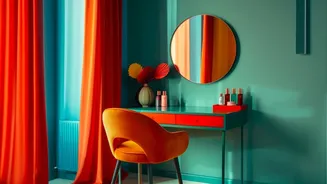
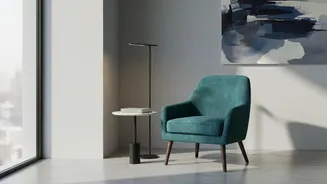
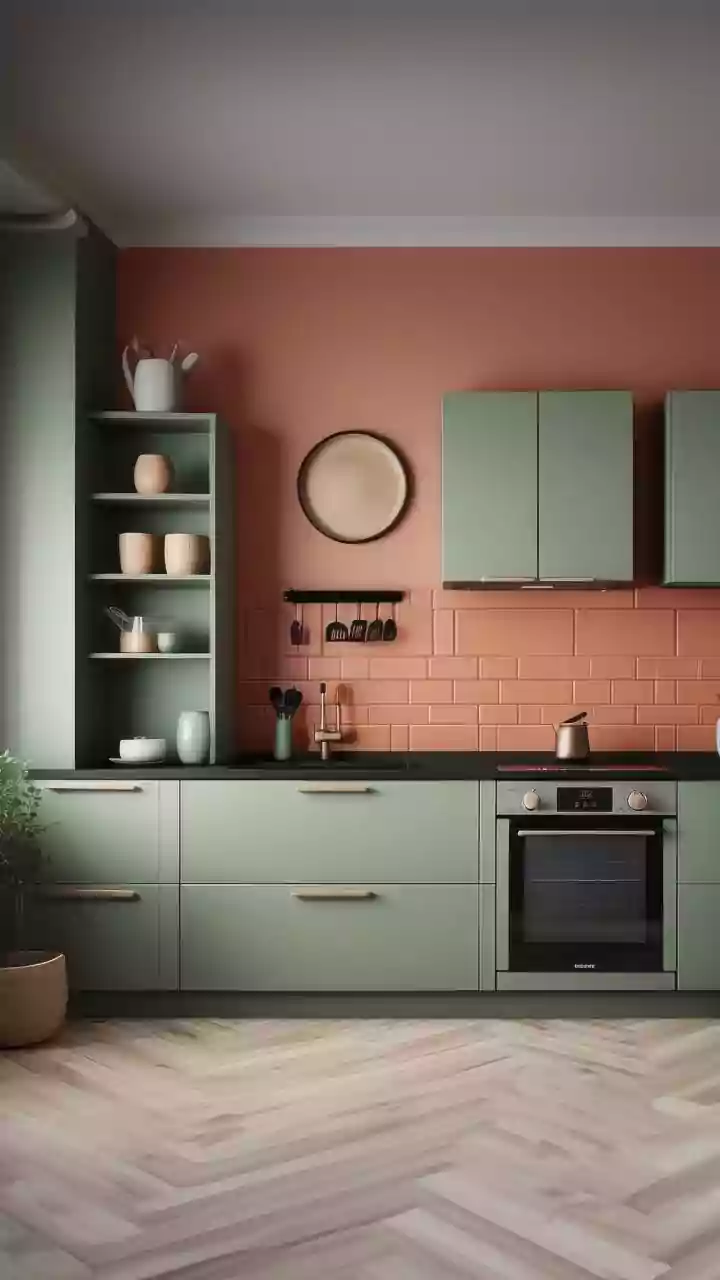
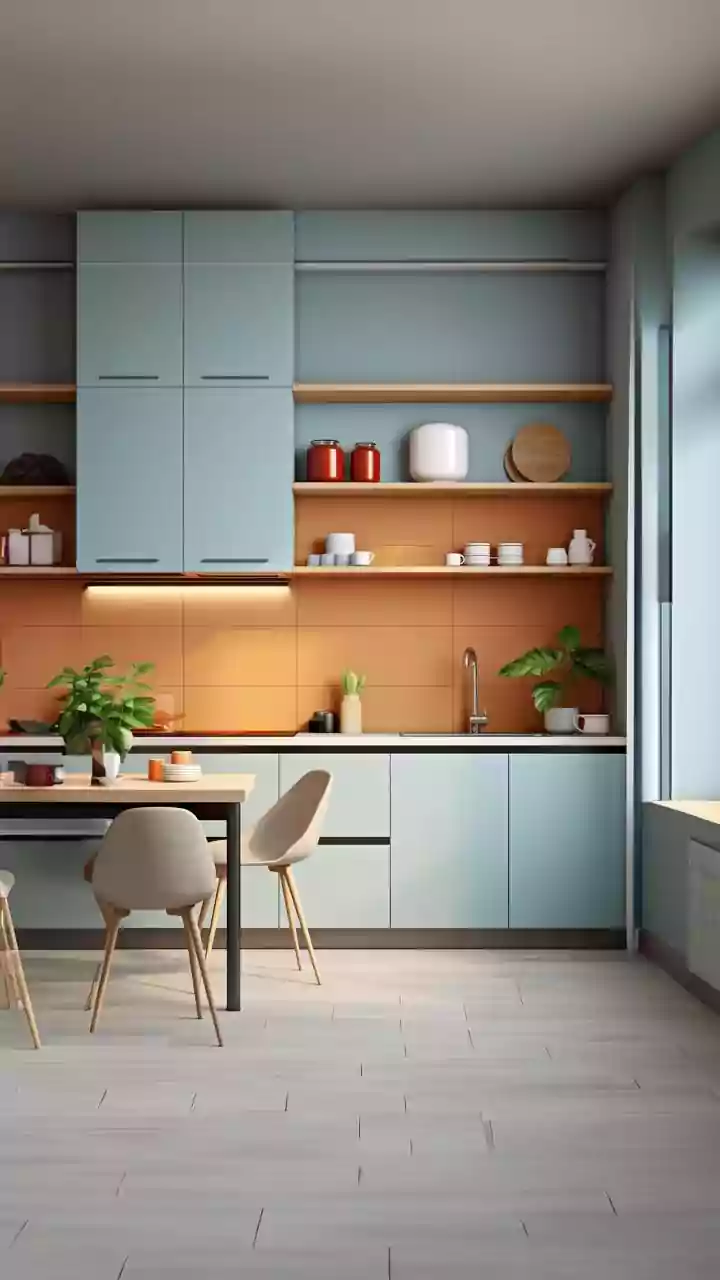
One of the most effective and affordable ways to create a work zone is with paint. Painting a bold circle, a sharp rectangle, or even just the corner walls in a contrasting colour instantly sets the area apart. This creates a visual boundary that tricks the brain into seeing a separate room where one doesn't exist. This can be a splash of a vibrant hue to energise you or a calming, soft grey to encourage focus. Lighting is another powerful tool. A dedicated task lamp, a low-hanging pendant, or an adjustable wall sconce not only provides necessary light for work but also visually anchors the space. When the light is on, it's office hours; when it's off, the corner recedes back into the room.
Think Vertically with Floating Surfaces
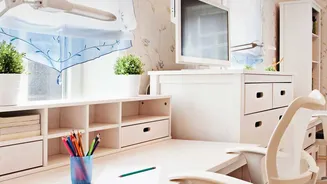
When floor space is at a premium, the only way to go is up. The awkward corner is the perfect candidate for a floating or wall-mounted desk. These can be custom-built or purchased, and they create a work surface without the visual clutter of legs. A simple, sturdy plank of wood installed with strong brackets can become an elegant and minimalist desk. For an even smaller footprint, consider a floating drawer, which provides both a surface and a storage spot for your laptop and supplies at the end of the day. Above the desk, install floating shelves to keep papers, pens, and other essentials organised and off the work surface, further maximising the compact area.
Repurpose and Re-imagine
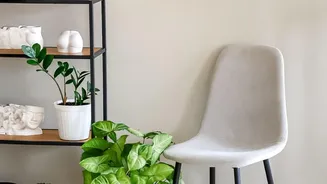
The key to furnishing your new corner workspace is to get creative with items you already possess. That old chest of drawers in the basement can be a perfect storage unit for files. A luggage rack from the guest room can hold a basket for papers or even a small printer. An unused dining chair is often more ergonomic and stylish than a designated office chair. Look around for anything with a flat surface: a small console table, a sturdy bar cart, or even a wide windowsill can be transformed into a temporary or permanent desk. By rethinking the purpose of your existing belongings, you can assemble a workspace that is both functional and full of personal character, all while saving money and resources.