





The Wisdom of Karkidakam
The tradition is tied to Karkidakam, the last month of the Malayalam calendar, which falls between mid-July and mid-August. This period of heavy rainfall has long been considered a time when the body's immunity is low and digestion is sluggish. According
to Ayurveda, the damp, humid climate aggravates the 'Vata' dosha (one of the three primary life energies), making the body susceptible to ailments like arthritis, fever, and digestive issues. In response, Keralites traditionally turned to a specific diet for rejuvenation and protection, with a special medicinal porridge at its heart.
Introducing Karkidaka Kanji
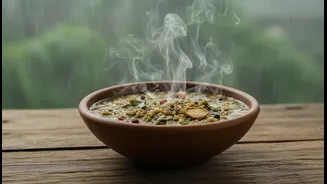
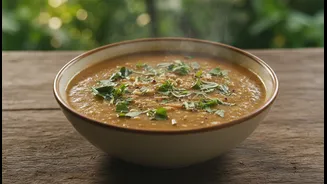
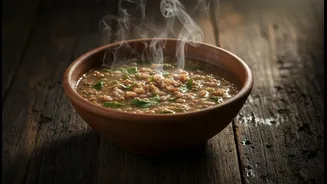
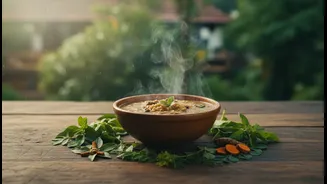
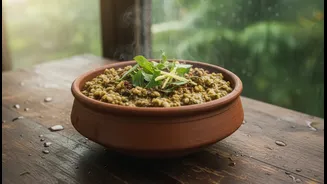
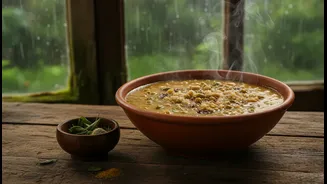
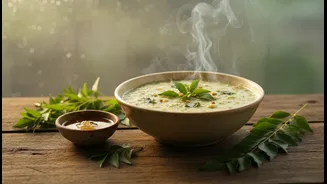
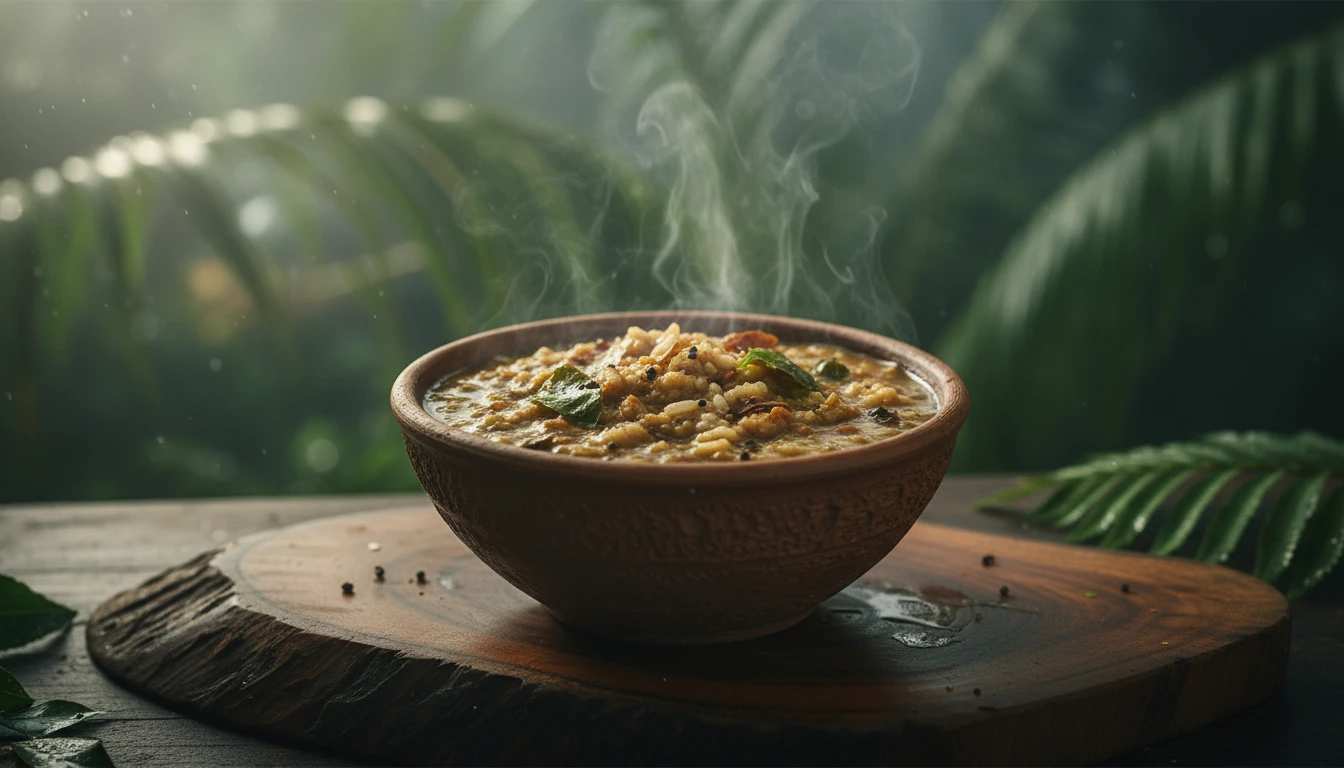
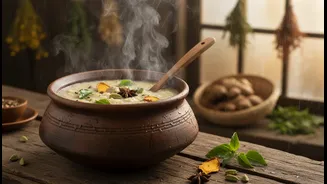
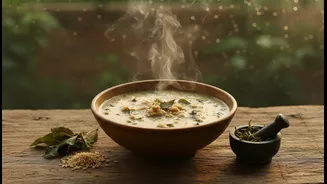
Known as Karkidaka kanji, Oushadha kanji, or Marunnu kanji (medicinal porridge), this dish is a therapeutic rice gruel. It is far more than simple comfort food; it's a carefully designed blend of grains, herbs, and spices intended to detoxify the system, boost immunity, and rekindle the digestive fire, or 'Agni'. The base is typically Njavara rice, a unique medicinal red rice variety native to Kerala, prized for being easy to digest while strengthening the body. This is cooked with a host of potent ingredients, each serving a specific purpose.
A Pharmacy in a Bowl
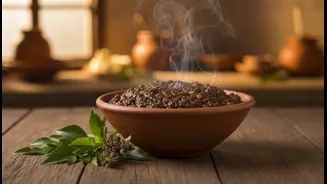
The power of Karkidaka kanji lies in its complex recipe. While variations exist, common ingredients include fenugreek, which has anti-inflammatory properties; cumin and dry ginger to aid digestion; and black pepper to enhance metabolism. Many traditional preparations also include a decoction of Dashamoola (a classic Ayurvedic mix of ten medicinal roots) and Dashapushpam (ten sacred flowers), known to support respiratory health and strengthen the body’s defences. Coconut milk and jaggery are often added for healthy fats and taste, making it a nourishing, balanced meal.
The Modern-Day Revival
For years, the practice of preparing Karkidaka kanji was fading, especially in urban areas where sourcing the many herbs became difficult. However, a significant revival is now underway. This resurgence is driven by a renewed interest in traditional wellness practices and preventive healthcare, particularly among younger generations. People are increasingly seeking authentic, natural ways to boost their health, moving away from quick fixes toward sustainable, ancestral wisdom. This trend has also been fueled by the global wellness movement's growing appreciation for Ayurveda.
Tradition Meets Convenience
Catering to this renewed demand, many Ayurvedic brands and local businesses now offer ready-to-cook Karkidaka kanji kits. These kits contain all the necessary dried herbs and grains, proportioned and packaged for convenience, making it easy for anyone to prepare the medicinal porridge at home. This commercial availability has played a crucial role in reintroducing the tradition to households that had lost touch with it, bridging the gap between ancient knowledge and modern lifestyles. It ensures that the benefits of this monsoon ritual are accessible to all, not just those with deep knowledge of local herbs.