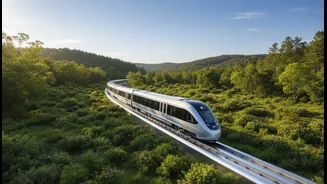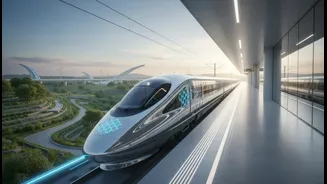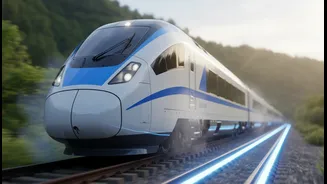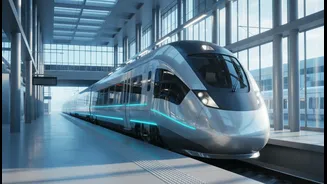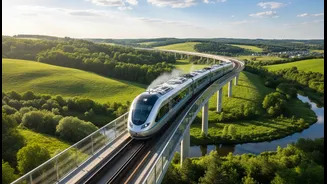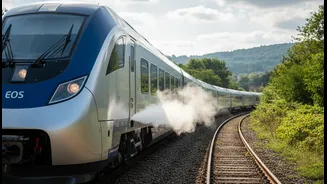






What Exactly is a Hydrogen Train?
Imagine a train that runs on a fuel source whose only emission is water. That is the core promise of a hydrogen train. Unlike conventional diesel trains that burn fossil fuels and release smoke and carbon emissions, a hydrogen train functions like a self-contained
power plant on wheels. It uses hydrogen fuel cells that combine hydrogen (stored in onboard tanks) with oxygen from the air. This chemical reaction generates electricity to power the train's motors and all its systems, from lights to air conditioning. The only byproduct of this clean process is water vapour, making it a zero-emission mode of transport. This technology represents a monumental shift, offering a sustainable alternative for railway networks, especially on routes where electrification is difficult or not cost-effective.
India's First Hydrogen Train Takes to the Tracks
The ambition is now becoming a reality. India's first hydrogen-powered train is set for its inaugural run from Jind in Haryana on July 17, 2026. Following extensive trials, the train is slated to begin commercial services on the 90-kilometre Jind-Sonipat route. Designed indigenously by the Research Designs and Standards Organisation (RDSO) and built at the Integral Coach Factory in Chennai, this project is a showcase for the 'Make in India' initiative. The 10-coach train has a total passenger capacity of around 2,600 and is expected to make two round trips daily. While it has been successfully tested at speeds of up to 120 km/h, its operational speed on this route will be 75 km/h. To support this pilot, Indian Railways has established a dedicated hydrogen production, storage, and refuelling facility in Jind.
Why This is a Landmark Moment
The launch is more than just a single new train; it's a strategic move with far-reaching implications for the nation. Firstly, it aligns with India's goal of achieving net-zero carbon emissions and reducing its massive diesel import bill. Indian Railways is one of the country's largest consumers of diesel, and transitioning to hydrogen offers a path towards energy independence and environmental stewardship. Secondly, this project serves as a crucial pilot for a much grander vision called 'Hydrogen for Heritage'. The plan is to introduce 35 such trains on iconic heritage and hill routes like the Kalka-Shimla and Darjeeling Himalayan Railway. This would preserve the vintage charm of these lines while making them environmentally sustainable. Finally, by developing this technology domestically, India positions itself among a select group of nations exploring hydrogen rail, signalling its growing prowess in advanced engineering.
The Road Ahead: Hurdles and Challenges
While the promise is immense, the path to a hydrogen-powered rail network is filled with challenges. The most significant hurdle is cost. The estimated cost of a single hydrogen train is around ₹80 crore, with an additional ₹70 crore needed for ground infrastructure on each route. Furthermore, the current cost of producing 'green' hydrogen (hydrogen made using renewable energy) is substantially higher than diesel or electricity. For this transition to be economically viable at a large scale, the cost of green hydrogen must fall significantly, a goal the National Green Hydrogen Mission aims to achieve by 2030. Creating a widespread network of refuelling stations and ensuring stringent safety protocols for handling compressed hydrogen are other major logistical and technical challenges that need to be addressed.