



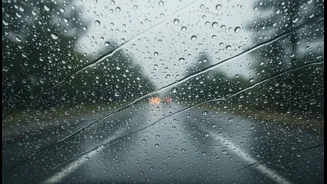


Before You Leave: Monsoon-Proof Your Vehicle
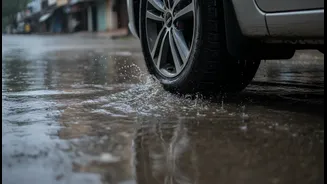
Preparation is your first line of defence against monsoon troubles. Before the season peaks, get your vehicle inspected. Pay special attention to your tyres; they are crucial for grip on wet roads. Ensure they have adequate tread depth, as worn tyres can
easily lead to skidding. Your brakes are just as important. Have them checked for responsiveness, as braking distances increase significantly on wet surfaces. Don't forget your wipers and lights. Worn-out wiper blades that leave streaks can be dangerous in a downpour, so replace them if needed. Check that all your lights—headlights, tail lights, and indicators—are working perfectly. They are essential for you to see and be seen in low visibility conditions. Finally, a pre-monsoon service can spot potential issues with the battery, wiring, and engine before they leave you stranded.
On The Road: To Cross or Not to Cross?
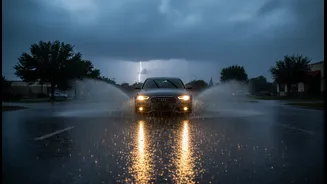
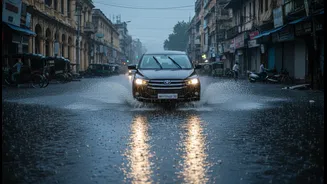
When you encounter a waterlogged street, the most important decision is whether to proceed at all. The golden rule is: when in doubt, turn around. It's nearly impossible to judge the depth of murky water, which could be concealing deep potholes, open manholes, or debris. As a general guideline, never attempt to drive through water that is higher than the centre of your wheels. According to the Federal Emergency Management Agency (FEMA), just six inches of water can be enough to cause a car to stall, and a foot of water can make many vehicles float, causing a complete loss of control. Two feet of flowing water can sweep away most vehicles, including SUVs. If possible, check for real-time traffic updates to find alternative, safer routes. If you must proceed, try to stick to the centre of the road, which is often the highest point and therefore has the shallowest water.
The Art of Driving Through Water
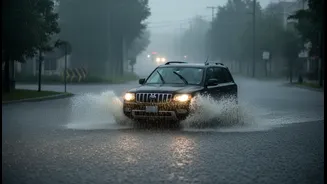
If you've assessed the situation and decided it's safe to cross, the technique is critical. First, turn off your air conditioning to prevent the engine fan from splashing water onto sensitive electrical parts. Drive slowly and maintain a steady, low speed—ideally between 3 to 5 mph. Going fast creates a bow wave that can flood your own engine and those of others. A common myth is to rev the engine high to prevent water from entering the exhaust; this is incorrect. High RPMs actually increase the engine's air suction, raising the risk of water getting into the engine and causing a catastrophic failure known as a hydrolock. Instead, keep the engine in a low gear (first gear for manual cars) and the RPMs steady. Avoid sudden braking or acceleration. Once you're clear of the water, gently tap your brakes a few times to help dry them out and ensure they are working correctly.
What If Your Car Stalls?
If your car stalls in a waterlogged area, the single most important rule is to not try and restart the engine. Attempting to do so can force water into the engine's combustion chambers, causing severe and often irreparable damage. Your safety is the priority. Turn on your hazard lights to make your vehicle visible to others. If the water is rising, it's time to abandon the vehicle and get to higher ground. Unbuckle your seatbelt and try to open a door. Be aware that water pressure from the outside can make this difficult. If you can't open the door, try to lower a window. If all else fails, you may need to break a window to escape. Once you are safe, call for roadside assistance to have your car towed. Do not return to the car, as water levels can rise unexpectedly.
A Note for Pedestrians and Two-Wheelers
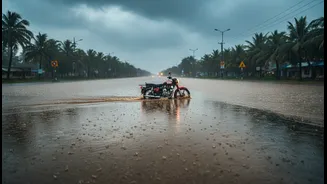
Navigating flooded streets isn't just a challenge for car drivers. For pedestrians, hidden dangers lurk beneath the surface. Avoid walking through stagnant water if you can, as it can hide uneven ground or open drains. If you must, use a stick or an umbrella to probe the ground ahead of you. Wear footwear with a good grip to avoid slipping. For two-wheeler riders, the risks are magnified. Waterlogged roads dramatically reduce tyre grip, and unseen potholes can easily cause an accident. Go extra slow, maintain a safe distance from other vehicles, and be aware that your brakes will be less effective. Just like in a car, avoid high speeds to prevent splashing water into the engine and electrical systems. Visibility is key, so ensure your headlight is on and you are wearing bright or reflective gear.
After the Drive: Post-Flood Vehicle Care
Driving through water can have lingering effects. Once the monsoons subside, or after any significant drive through water, it's wise to give your car a thorough cleaning, paying special attention to the underbody to remove caked-on mud and grime that can trap moisture and cause rust. Check your car's interior for dampness, as this can lead to mould and bad odours. It’s also a good idea to have your fluids checked. Water can contaminate engine oil and transmission fluid, leading to serious mechanical problems down the line. A professional inspection can assess for damage to the braking system, electrical components, and exhaust that you may not see.