




More Than Just a Thicker Dahi
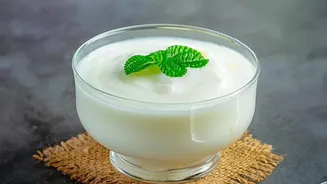
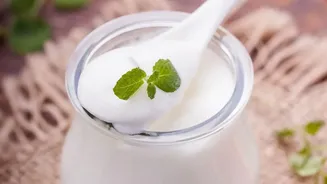
At a glance, Greek yoghurt might seem like a simple variation of our beloved homemade curd, but the difference is in the process. True Greek yoghurt is made by straining regular yoghurt to remove most of the liquid whey. This straining process is what
gives it a distinctly thick, dense, and creamy texture that holds its shape on a spoon. But the real appeal lies in its nutritional profile. This process concentrates the protein, resulting in a product that can contain two to three times more protein than traditional dahi. An average 100g serving of Greek yoghurt packs around 7-12 grams of protein, compared to just 3-4 grams in regular curd. It's also typically lower in carbohydrates and lactose, making it an easier choice for some people to digest.
The Nationwide Protein Push
The rise of Greek yoghurt isn't happening in a vacuum; it’s directly linked to a massive shift in health consciousness across India. Consumers are increasingly aware of the importance of protein, not just for building muscle at the gym, but for overall wellness, satiety, and weight management. With studies indicating that a significant portion of the Indian population may have a protein-deficient diet, many are actively looking for easy ways to boost their intake. Food brands have responded, and high-protein claims are becoming a common sight on everything from biscuits to beverages. Greek yoghurt fits perfectly into this trend. It offers a convenient, whole-food source of high-quality protein that requires no cooking and can be eaten at any time of day, aligning with the needs of busy, health-focused urban consumers.
From Breakfast Bowls to Healthy Raita
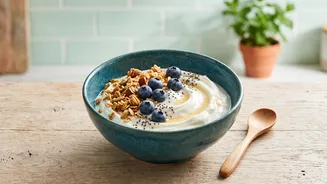
Indian consumers are creatively adapting Greek yoghurt to fit their lifestyles. For many, it has become a breakfast staple, served in bowls with fruit, nuts, and seeds in a style popularised globally. Its thick consistency also makes it an excellent base for smoothies, providing a protein boost without watering down the drink. But its use isn't limited to Western-style dishes. Home cooks are swapping out regular dahi for its thicker counterpart in traditional recipes. It's being used to create creamier, richer raitas that don't become watery, as a base for marinades for chicken and paneer, and as a healthier substitute for cream in curries. This versatility, allowing it to function as both a modern health food and an upgrade to traditional ingredients, is key to its growing acceptance.
Brands Battle for the Bowl
The growing demand has sparked a competitive market. What started with pioneer brands like Epigamia, which introduced mass-market strained Greek yoghurt to India, has now exploded into a full-fledged category with major players. Dairy giants like Amul and Mother Dairy have entered the fray, leveraging their vast distribution networks to make Greek-style yoghurt more accessible and affordable, pushing it beyond premium metro supermarkets into Tier-2 and Tier-3 cities. Global brands such as Nestlé and Danone have also carved out significant space, while a host of smaller, clean-label brands appeal to consumers looking for specific attributes like all-natural ingredients or probiotic strains. This competition has led to wider availability, more flavour innovations, and varied price points, making it easier than ever for consumers to give it a try.