








A Shared Battle Against the Elements
Much of India and Korea share challenging climates characterized by high heat and humidity. This type of weather often leads to increased sebum production, clogged pores, and a higher risk of bacterial and fungal infections. Furthermore, urban pollution
in both regions is a major concern, leading to oxidative stress that weakens the skin barrier and accelerates aging. Korean skincare was largely developed to combat these very issues. The philosophy prioritizes creating a healthy skin barrier that can defend itself against environmental stressors, a need that is directly applicable to those living in Indian cities facing similar pollution and climate challenges.
Hydration Without the Heavy Feeling
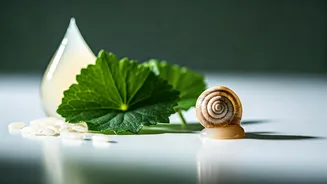
One of the biggest misconceptions about oily skin, common in the humid Indian climate, is that it doesn't need moisture. In reality, it's often dehydrated, which causes it to produce even more oil to compensate. Korean skincare excels at providing lightweight, watery layers of hydration that replenish moisture without feeling greasy or heavy. Ingredients like Snail Mucin and Hyaluronic Acid are central to this approach. Snail mucin, or snail secretion filtrate, is packed with moisturizing agents that repair the skin's barrier, making it ideal for dehydrated skin. These lightweight formulations absorb quickly, providing deep hydration that helps balance oil production, a perfect match for Indian weather.
Calming Inflammation and Soothing Irritation
Between intense sun exposure and environmental pollutants, Indian skin is frequently prone to irritation, redness, and inflammation. K-beauty offers a wealth of soothing ingredients designed to calm and heal compromised skin. The undisputed hero in this category is Centella Asiatica, also known as Cica or Tiger Grass. Cica is renowned for its powerful anti-inflammatory and healing properties, helping to reduce redness and strengthen the skin barrier. Its active compounds, like madecassoside, help shield skin from environmental stressors, making it an indispensable ingredient for addressing the impact of pollution and temperature fluctuations.
Tackling Pigmentation and Dark Spots
Hyperpigmentation—including dark spots and uneven skin tone—is one of the most common dermatological complaints in India. This is partly due to higher melanin content, which makes the skin more reactive to sun exposure and inflammation. Korean skincare focuses on brightening and achieving an even complexion with gentle, consistent ingredients rather than harsh bleaching agents. Niacinamide (a form of Vitamin B3) is a superstar ingredient for this, as it helps regulate oil, strengthen the skin barrier, and inhibit the transfer of pigment, effectively fading dark spots. Fermented rice water is another traditional staple that acts as a gentle brightening agent, helping to reduce the appearance of hyperpigmentation over time.
A Focus on Prevention and Skin Health
Ultimately, the core philosophy of K-beauty aligns perfectly with the needs of Indian skin: prevention over cure. The emphasis is not on quick fixes but on building a resilient, healthy skin barrier through consistent, gentle care. This involves layering hydrating products, using calming ingredients to manage inflammation, and diligently applying sunscreen to prevent future damage. By focusing on long-term skin health rather than just treating problems as they arise, the Korean approach helps skin become more balanced and better equipped to handle the daily environmental challenges common in India.