





The Old Way vs. The New Journey
For decades, exploring India’s stunning southern coastline—from the serene backwaters of Kerala to the temple towns of Tamil Nadu—often meant one of two things: a pre-packaged tour with a fixed itinerary or a well-funded, meticulously planned adventure.
Spontaneity was a luxury, and venturing off the beaten path required local contacts or a hefty dose of luck. But that is changing, rapidly. A new generation of domestic travellers, armed with smartphones and a thirst for authentic experiences, is redrawing the map of coastal travel. They are swapping rigid schedules for flexible routes, five-star hotels for charming homestays, and tour buses for their own cars or rented bikes. The catalyst for this shift? The humble digital map.
Your Phone Is The New Tour Guide
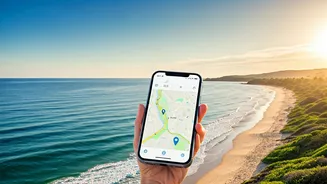
When we say “cloud maps,” we’re talking about the powerful apps like Google Maps that have evolved far beyond simple A-to-B navigation. For the modern budget traveller, these tools are indispensable multi-taskers. They don't just show the fastest route; they reveal the scenic ones, highlighting smaller coastal roads that hug the shoreline instead of busy national highways. They are packed with user-generated photos, reviews, and ratings for everything from a tiny, unnamed tea stall serving the best 'pazham pori' to a secluded beach that isn’t in any official guidebook. This layer of real-time, crowd-sourced information empowers travellers to make informed decisions on the fly. They can check for traffic jams, find the nearest petrol pump in a remote area, or discover a viewpoint they never knew existed, turning a simple drive into a journey of constant discovery.
Unlocking Budget-Friendly Stays and Eats
Perhaps the biggest impact of digital maps on budget travel is in accommodation and food. Major online travel agencies are great, but they often miss the small, family-run guesthouses and homestays that offer both authentic hospitality and lower prices. By using map applications, travellers can now zoom into a small coastal village and see pins for “XYZ Homestay” or “Granny’s Seaside Cottage,” complete with a phone number and a handful of genuine reviews from previous visitors. A quick call is all it takes to book a room. The same applies to food. Instead of being limited to expensive tourist-trap restaurants, a traveller can use their map to find a local 'mess' or a fisherman's canteen that is beloved by locals and offers fresh, delicious seafood at a fraction of the price. This direct-to-source approach cuts out the middleman, saving money and enriching the travel experience.
Crafting Your Own Coastal Saga
Imagine a trip from Mangalore down to Kochi. The old way might have been a straight shot down the highway. The new way is a meandering adventure. Using a map app, you can plot a route that includes a stop at the pristine beaches of Maravanthe, a detour to the historic Bekal Fort, a quick bite at a famous eatery in Thalassery known for its biryani, and an overnight stay at a backwater homestay near Varkala you found through user photos. The app allows you to save these locations, calculate driving times between them, and adjust your plans in real-time if you decide to linger longer at a beautiful sunset spot. This level of granular control and flexibility was once the preserve of only the most seasoned travellers; now, it’s accessible to anyone with a data connection.
A Win-Win for Travellers and Locals
This tech-enabled travel boom isn't just great for tourists; it's a game-changer for local economies. It funnels tourist rupees away from large corporate chains and directly into the hands of small business owners. The homestay owner in a small fishing hamlet, the chai shop owner near a remote temple, and the local guide offering kayak tours all gain visibility and access to a national market. By simply being on the map—often literally, by adding their business to Google—they can attract a steady stream of visitors who are actively seeking them out. This creates a more sustainable and distributed form of tourism that benefits the very communities that make these coastal journeys so special.