




The Myth of Prep Time
We’ve all been seduced by the promise of a quick weeknight dinner. A recipe boasts a 15-minute prep time and a 20-minute cook time, seeming like the perfect solution for a busy evening. Yet, an hour later, you’re still at the stove, surrounded by a mess,
wondering where it all went wrong. The problem isn't your speed; it's the definition of "prep time." For most recipe developers—often professional chefs with years of experience—prep time is a highly optimistic estimate. They assume an organized kitchen, expert knife skills, and that all ingredients are magically at your fingertips. The clock they use doesn’t account for the time it takes you to find that jar of paprika in the back of the cupboard, wash and peel the carrots, or hunt for the right measuring spoon.
What the Clock Doesn't Count
The unlisted labour is what turns a quick meal into a lengthy project. Before a single ingredient hits the pan, you must read the recipe, gather your ingredients, wash produce, and find your equipment. Then comes the physical work: dicing an onion, mincing garlic, zesting a lemon, measuring liquids, and trimming meat. A recipe might list "one chopped onion," assuming you start with a perfectly diced allium in a neat little bowl. It rarely budgets time for the actual act of chopping, let alone the tears that might come with it. This discrepancy between the stated time and the reality of a home kitchen is a primary source of cooking stress, making you feel slow and inefficient when you're simply being realistic.
The Chef's Secret: Mise en Place
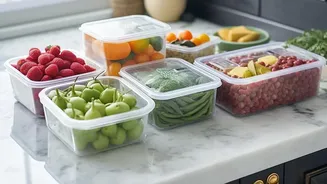
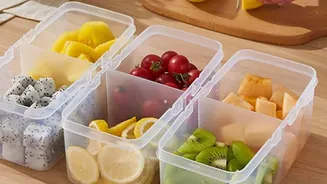
There is a better way, and it’s a foundational principle in professional kitchens: mise en place. This French term, which translates to “everything in its place,” is more than just a technique; it’s a philosophy of preparation and organization. Before any cooking begins, chefs prepare all their ingredients. Vegetables are chopped, spices are measured, sauces are mixed, and every component is laid out in bowls, ready to go. By front-loading all the prep work, the actual cooking process becomes a smooth, streamlined flow rather than a frantic scramble. You can focus entirely on the technique of cooking—sautéing, searing, simmering—without having to stop and chop a forgotten clove of garlic.
Your New, Calmer Kitchen Workflow
Adopting mise en place at home doesn't require a culinary degree or a team of sous chefs. It just requires a shift in mindset. First, read the entire recipe from start to finish before you do anything else. This helps you understand the flow and anticipate what you'll need. Next, do all your preparation before turning on the stove. Chop every vegetable, measure every spice, and pour out every liquid. Arrange them on your counter in the order you'll use them. It might feel like an extra step initially, but this small investment of time upfront pays huge dividends. The cooking itself becomes faster, more focused, and dramatically less stressful. No more burning onions while you frantically search for the cumin.
Cooking as a Practice, Not a Race
The real benefit of starting your recipe clock before the pan heats is not just about accuracy; it's about transforming your experience of cooking. When you’re not racing against a misleading timer, you can cook more mindfully. You notice the aroma of the spices, the sizzle in the pan, and the way the ingredients come together. Embracing the full process, from prep to plate, turns cooking from a stressful chore into a creative and rewarding practice. You end up with a better meal, a cleaner workspace, and a sense of calm that no “30-minute meal” could ever promise. The most honest recipe clock is the one that respects the entire journey, not just the final sprint.