







A Long-Awaited Connection Restored
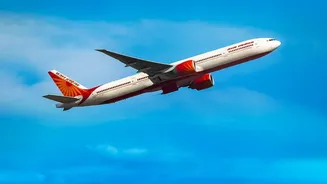
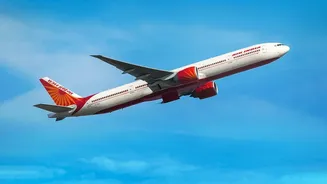
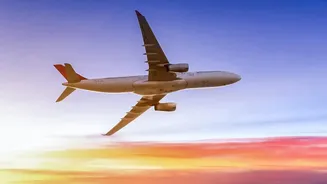
Direct flights between India and China, which were suspended for nearly six years, have been progressively returning. Following the resumption of services by Indian carriers like IndiGo on the Delhi-Guangzhou route in late 2025, China Southern Airlines
is now set to launch its own daily non-stop service from September 21, 2026. This marks a significant step in normalizing travel, which previously required lengthy and costly layovers in cities like Hong Kong or Bangkok. Before the pandemic, hundreds of flights operated monthly between the two nations, and the gradual restoration of these direct links is being hailed as a critical move to rebuild one of Asia's most important travel corridors. The return of multiple carriers on this key route reflects growing confidence and a phased, demand-led approach to rebuilding the market.
The Gateway to the Canton Fair
For countless Indian businesses, Guangzhou is synonymous with the Canton Fair, one of the world's largest trade exhibitions. This sprawling event is a sourcing paradise for small and medium-sized enterprises (SMEs) dealing in electronics, machinery, textiles, and consumer goods. The absence of direct flights created a major logistical hurdle, increasing travel time and costs for Indian entrepreneurs. With direct flights taking about five-and-a-half hours, the journey becomes significantly more efficient. The fair attracts huge numbers of overseas buyers, and Indian participation has always been substantial. The easier access provided by these flights is expected to boost attendance and facilitate stronger trade deals, empowering Indian businesses to engage more effectively with Chinese suppliers and explore global opportunities.
Boosting Key Trade Sectors
The impact extends far beyond a single trade fair. Guangzhou is a primary manufacturing and logistics hub in Southern China, a region deeply integrated with Indian supply chains. Key Indian industries, including pharmaceuticals, auto components, chemicals, and electronics, rely heavily on imports from China. Direct connectivity streamlines the movement of business executives, technicians, and quality control experts who are essential for maintaining these complex supply chains. While trade continued via indirect routes, the resumption of direct flights reduces friction, supports just-in-time manufacturing principles, and can foster deeper collaboration. The Indian trade community is heavily concentrated in port cities like Guangzhou, making this air link a vital artery for the national economy.
New Horizons for Tourism and Education
While business is the primary driver, the resumption of flights also opens doors for leisure, education, and cultural exchange. Before the travel freeze, thousands of Indian students were enrolled in Chinese universities, particularly for medical degrees. The inability to travel created immense academic disruption. Direct flights are a lifeline for these students, allowing them to return to their campuses for crucial in-person training. On the tourism front, easier access could revive interest in both directions. Indian travellers gain direct entry to explore China's rich cultural heritage, while the Indian tourism sector can hope to attract more Chinese visitors, who were a rapidly growing market pre-pandemic. However, a full-fledged tourism revival will also depend on streamlined visa processes.
Navigating the Path Ahead
Despite the optimism, challenges remain. The India-China relationship, while seeing a gradual thaw, remains complex. Furthermore, travellers must still navigate a detailed visa application process, as there is currently no visa-on-arrival or e-visa option for Indian citizens. Applicants need to provide a host of documents, including detailed itineraries and proof of bookings, and apply in person at designated centres for biometric collection. The success of this renewed connectivity will ultimately depend not just on airline schedules, but on continued diplomatic stability and a commitment from both nations to facilitate smoother, more predictable travel for business professionals, students, and tourists alike. The current network is also heavily concentrated on Delhi and Kolkata, with significant room for expansion to other Indian metros like Mumbai and Bengaluru.