


The Dazzling Evening Star
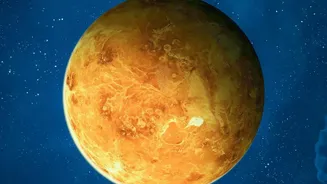
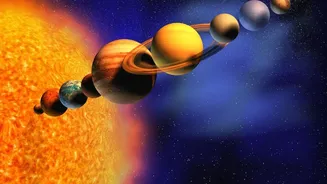
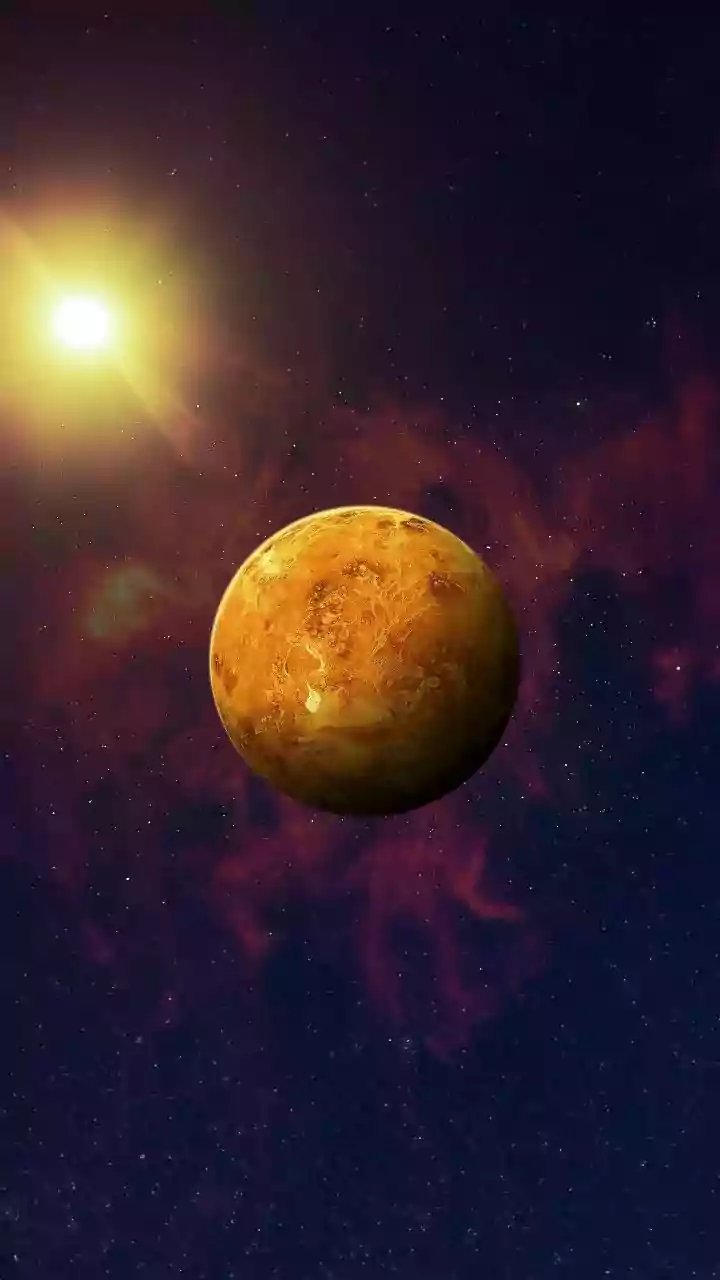
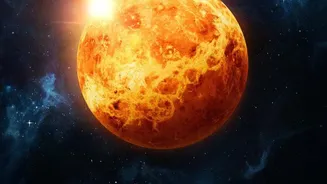
Venus is often called the “Evening Star” or “Morning Star” for a good reason. As the second planet from the Sun, its orbit keeps it relatively close to the sun in our sky. This means we can only see it for a few hours after sunset or before sunrise. This August,
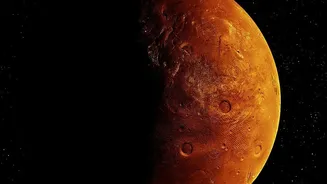
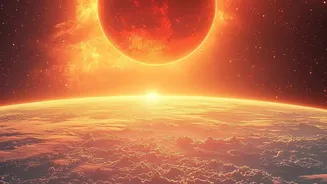
Venus is gracing our evening skies, appearing as a stunningly bright object that outshines every actual star. Its brilliance is due to two main factors: its relative proximity to Earth and its thick, highly reflective cloud cover, which bounces a tremendous amount of sunlight back into space. Unlike stars that twinkle, Venus shines with a steady, silvery-white light, making it unmistakable once you know what you're looking for.
How to Find Venus in August
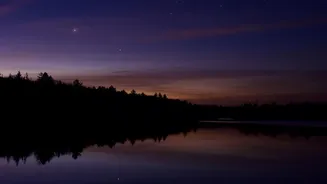
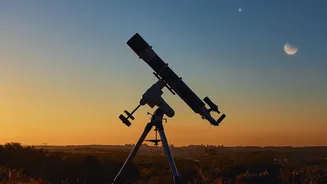
Finding Venus is refreshingly simple and requires no special equipment. The key is to look in the right place at the right time. Throughout August 2026, you can spot Venus low in the western sky shortly after the sun goes down. It will be the first and brightest point of light to emerge in the evening twilight. Find a spot with a clear, unobstructed view of the western horizon. About 30 to 45 minutes after sunset is the perfect window to begin your search. As the sky darkens, Venus will become increasingly prominent before it eventually sets a few hours later. For those viewing around mid-August, you might have also noticed it near the crescent Moon, a beautiful celestial pairing.
A Celestial Companion: Spica
To confirm you're looking at Venus, you can look for its nearby companion this month. The bright star Spica, the most prominent star in the constellation Virgo, will be visible nearby. Throughout August, Venus and Spica will appear to draw closer to each other in the sky, heading for a close conjunction in early September. On August 21, you should be able to see Spica located slightly to the upper left of the much more brilliant Venus. Having a celestial landmark like Spica can add another layer of enjoyment to your stargazing and help you orient yourself in the cosmos.
Tips for the Best Viewing Experience
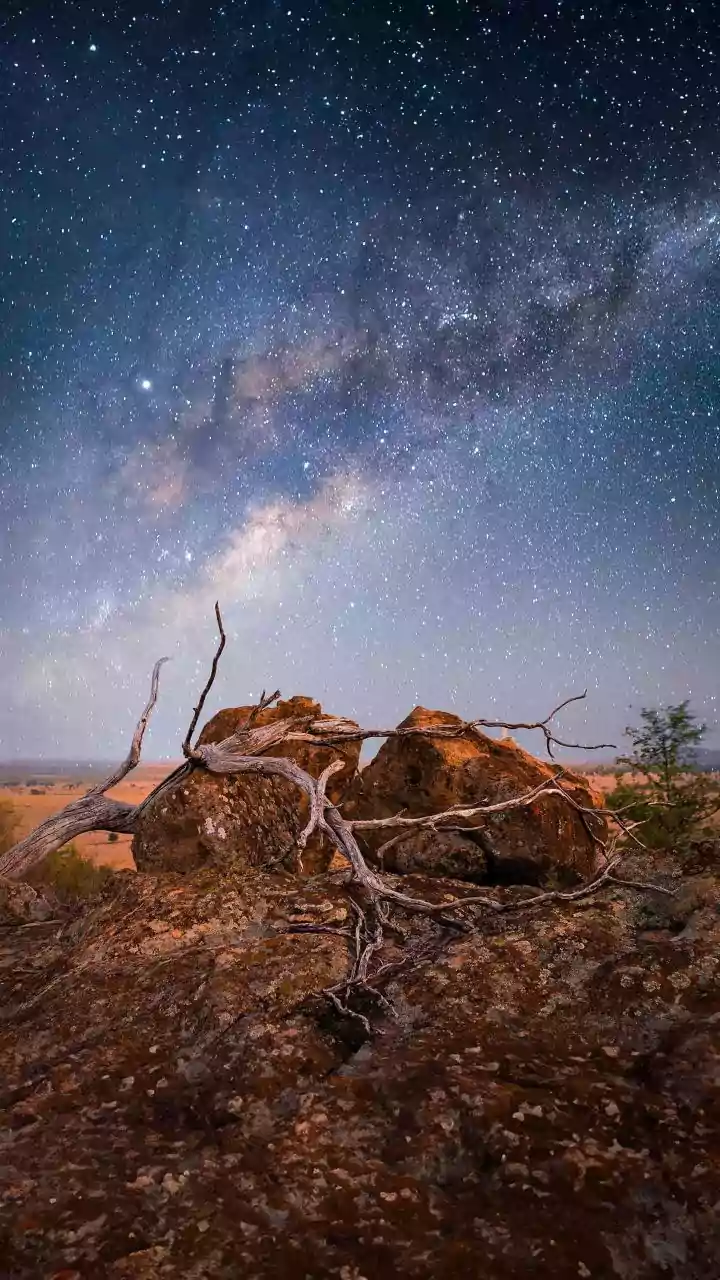
While you can easily see Venus with the naked eye, a few simple tips can enhance your experience. First, find a location away from bright city lights. Light pollution can wash out the sky, and moving to a darker area will make Venus and surrounding stars appear much sharper. Give your eyes about 20 minutes to fully adapt to the darkness; this will dramatically increase what you can see. Consider using a stargazing app on your phone, like Stellarium or Star Walk, which can provide a real-time map of the sky and help you pinpoint Venus's exact location. Finally, if you have a pair of binoculars, bring them along. While you won't see surface details, binoculars can reveal Venus's phase, similar to the Moon's. This August, it will appear as a tiny, thick crescent through binoculars or a small telescope.