








The Allure of the Lower Price Tag
In the world of online flight booking, the lowest price often wins the click. Connecting flights are frequently 25-30% cheaper than their direct counterparts, a significant saving that can amount to thousands of rupees on domestic trips and even more
on international travel. Airlines use a 'hub-and-spoke' model, funnelling passengers through major airports, which allows them to fill planes more efficiently and offer lower fares on these multi-leg journeys. For the budget-conscious traveller, especially those with flexible schedules, this upfront saving is a powerful incentive that is hard to ignore.
Calculating the Hidden Costs of Layovers
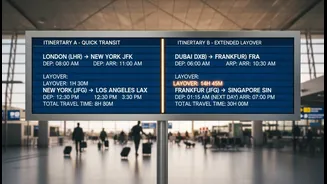
The sticker price of a connecting flight doesn't tell the whole story. Layovers come with numerous hidden costs that can quickly erode those initial savings. A layover of several hours often means purchasing overpriced airport meals and beverages. An overnight connection could add the expense of a hotel room, even if some airlines offer deals on longer stopovers. These incidental expenses, from food to Wi-Fi charges, can accumulate, turning a seemingly cheap ticket into a more expensive ordeal than the direct alternative.
The Unquantifiable Price of Stress and Risk
Beyond the monetary costs, connecting flights introduce significant stress and risk. Every connection adds a potential point of failure. A delay on the first leg can lead to a frantic dash through an unfamiliar airport or, worse, a missed connection, potentially causing hours or even a full day of delay. The risk of lost or delayed luggage also increases with every transfer. For many, the peace of mind that comes with a single, straightforward journey is invaluable, especially when travelling for time-sensitive events like weddings or important meetings. This reduction in stress is a key benefit that a higher direct fare buys you.
Your Time Has a Price Tag
Time is a finite resource, and a direct flight is fundamentally an investment in saving it. This is especially true for short trips, where a layover can consume a substantial portion of your vacation time. A journey that takes 5-7 hours with a layover could have been a 2-hour direct flight, effectively tripling your travel time. For business travellers, this calculation is even more critical. Lost hours in transit are lost productive hours, and the cost of that time can easily exceed the savings on the flight ticket. Calculating the value of your time—even a rough estimate—can put the premium for a direct flight into a much clearer perspective.
Who Benefits Most from Going Direct?
While every traveller can appreciate the convenience, certain groups find the higher fare for a direct flight particularly justifiable. Business professionals, for whom time is money and arriving fresh for a meeting is paramount, often see it as a necessity. Families with young children find that avoiding the hassle of navigating multiple airports and plane changes significantly reduces the stress of travel. Similarly, anyone on a short weekend getaway wants to maximise their time at the destination, not in a transit lounge. For these travellers, the extra cost is a worthwhile investment in efficiency and well-being.