



The Problem of Mixed Batches
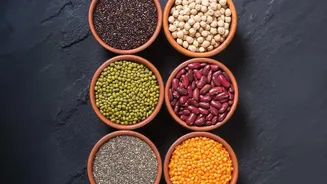
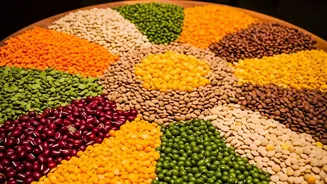
The core of the issue often starts before the pulses even hit the water. A single batch of dried dal can contain pulses of varying ages and sizes. This is common with bulk-bin purchases or packages that have been sitting in the pantry for a while. Older,
drier pulses take significantly longer to hydrate and soften than their fresher counterparts. Similarly, larger pulses, like chana, naturally have a longer cooking time than smaller ones like moong dal. When these are mixed, you create a race where some pulses finish long before others even get started, resulting in that dreaded uneven texture. Even within the same type of dal, size and age differences can lead to a mix of perfectly cooked, mushy, and hard grains in the same pot.
The Pre-Cook Ritual: Sorting and Soaking
The solution begins with two simple, yet crucial, steps: sorting and soaking. Before you do anything else, spread your dal on a plate and quickly pick through it. Remove any discoloured or unusually small or large grains, as well as any tiny stones that might have been collected during harvest.
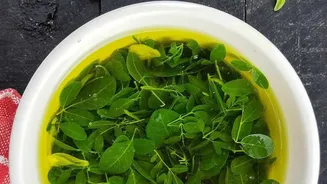
Next, comes soaking. Soaking is about more than just reducing cooking time; it's about ensuring even hydration. It allows water to slowly penetrate each pulse, waking it up from its dried state and ensuring the inside and outside soften at a similar rate. For split dals without husks like toor or masoor, a 30-to-60-minute soak in lukewarm water is sufficient. Heartier, husked dals like urad dal benefit from 3-4 hours, while dense legumes like rajma and chana require an overnight soak of at least 8 hours. Always discard the soaking water and cook with fresh water to wash away starches that can cause digestive issues.
Cooking for Consistency
Once your pulses are sorted and soaked, cooking technique becomes key. Avoid the temptation to blast the heat. A vigorous boil can cause the outer layers of the dal to turn to mush while the centers remain hard. The best approach is to bring the water to a boil and then immediately reduce it to a gentle, steady simmer. This slow and steady heat ensures the pulses cook through evenly.
Another critical factor is when you add acidic ingredients. Tomatoes, tamarind, and lemon juice can significantly slow down the softening process by tightening the structure of the pulses. Always wait until the dal is completely soft and cooked through before adding these flavourful acids. The same goes for salt, according to some experts, though others now suggest salting early can help tenderize the skins. If you've had trouble with hardness, try adding salt only at the end.
Rescue Missions for Uneven Dal
What if, despite your best efforts, you still end up with an unevenly cooked pot? Don't throw it out. If only a small portion of the dal is undercooked, you can simply cook it for longer, adding a little more hot water if needed to prevent it from becoming too thick. If the texture is very inconsistent, a stick blender is your best friend. A quick blitz can smooth out the mixture, turning a failed dal into a creamy, blended soup. You can then add your tadka and serve it as a hearty, uniform dish. For beans that remain stubbornly hard, they may simply be too old to soften properly. In this case, blending is the most effective rescue mission.