






An Instinctive Ritual
It’s a scene that plays out in millions of homes, offices, and roadside stalls across India. The air grows heavy, the scent of petrichor rises from the dry earth, and almost instinctively, someone says, “Chai banate hain.” It isn’t a question, but a statement
of intent. The decision has already been made by the weather. The gentle drumming of rain against a tin roof is the starting pistol for a race to the kitchen. In that moment, the day’s anxieties and to-do lists are temporarily suspended. All that matters is the brewing storm outside and the brewing comfort inside.
A Symphony for the Senses
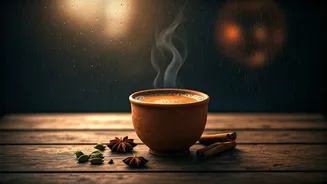
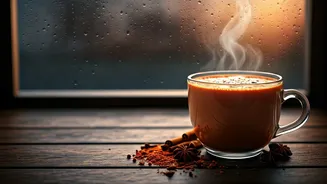
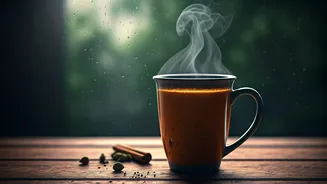
What makes this pairing so perfect? It’s a full-bodied sensory experience. The sound of rain provides a soothing soundtrack. The aroma of crushed ginger, cardamom, cloves, and cinnamon simmering with tea leaves fills the air, a fragrant promise of what’s to come. Then there’s the warmth of the cup in your hands, a small shield against the damp chill that seeps into your bones. Finally, the taste: a complex dance of milky sweetness, robust tea, and a spicy kick that warms you from the inside out. It’s a multi-sensory hug, perfectly engineered to counter the gloom of a grey, rainy day. Each sip is a moment of pure, unadulterated comfort.
The Science of Solace
This craving isn’t just poetic; there’s some science to it. Warm beverages have a proven psychological effect, triggering feelings of comfort and safety. The spices in masala chai, revered in Ayurvedic traditions, are known for their ‘warming’ properties. Ginger is a digestive aid and anti-inflammatory, cardamom is mood-lifting, and cinnamon helps regulate blood sugar. When combined, they create a potent concoction that not only tastes good but also makes you feel physically better, combating the lethargy that often accompanies humid, overcast weather. The ritual of its preparation—the patient simmering, the straining, the pouring—is in itself a meditative act, a moment of mindfulness in a chaotic world.
A Brief History of a Habit
While tea has been cultivated in India for centuries, the masala chai we love today is a relatively modern invention. British colonials promoted tea consumption to create a market outside of China, but it was the Indian spirit of adaptation that transformed it. By adding milk, sugar, and a symphony of local spices, Indians made the drink their own. It became an affordable, flavourful, and energising beverage for the masses. This act of culinary rebellion turned a colonial import into a symbol of Indian identity. The monsoon simply amplified its importance, cementing its role as the nation’s favourite companion during its most dramatic season.
The Holy Trinity: Chai, Rain, and Pakoras
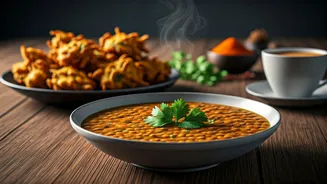
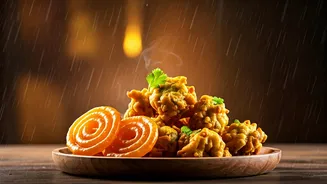
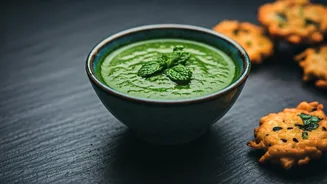
Of course, one cannot speak of monsoon chai without mentioning its faithful companion: the humble pakora. The crisp, spicy, deep-fried fritters are the perfect textural and flavour contrast to the sweet, milky chai. Whether it’s onion, potato, or paneer, a plate of hot pakoras served alongside a steaming cup of tea is the embodiment of monsoon indulgence. This combination is more than just a snack; it's an event. It’s a reason to gather the family, to huddle in the balcony, and to watch the rain fall while creating a warm, delicious memory. It is a shared cultural script, understood and cherished from Kashmir to Kanyakumari.