




A Shift in Our Soil
For decades, Indian ornamental gardening has been dominated by popular, often exotic, plant species. While beautiful, these plants can be resource-intensive and often act as sterile islands for local wildlife. Now, a growing consciousness about ecology
is prompting a shift. Home gardeners, from sprawling bungalows to apartment balconies, are discovering the immense rewards of planting native species. This isn't just about 'going green'; it's a mindful approach to gardening that creates a living, breathing space that supports the local environment. This movement is making our gardens more than just pretty places; they are becoming active contributors to urban biodiversity.
The Magic of Host and Nectar Plants
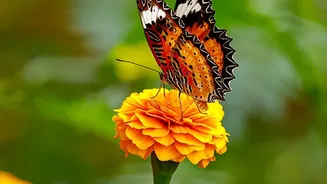
To create a true butterfly haven, it's essential to understand their lifecycle. Butterflies require two main types of plants: nectar plants for the adults to feed on, and specific larval host plants for them to lay eggs. Caterpillars are often picky eaters and will only feed on the leaves of their specific host plant. For example, the beautiful Common Mormon butterfly lays its eggs on the leaves of the curry leaf tree (Murraya koenigii), while the striking Lime butterfly depends on citrus plants. By planting both nectar and host plants, you provide a complete habitat, ensuring generations of butterflies can thrive in your garden.
Why Go Native?
Choosing native plants offers a cascade of benefits beyond just attracting butterflies. Because these plants have evolved over millennia to thrive in our specific local climate and soil, they are naturally hardier and more resilient. This means less work for the gardener. Native plants typically require less water once established, a significant advantage in a water-conscious country. They are also more resistant to local pests and diseases, reducing or eliminating the need for chemical pesticides that can harm pollinators. Ultimately, a native garden is a lower-maintenance, more sustainable garden that saves you time, money, and resources.
Easy Native Plants for Beginners
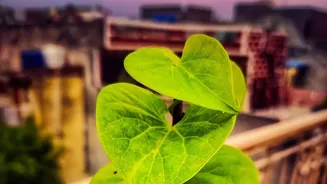
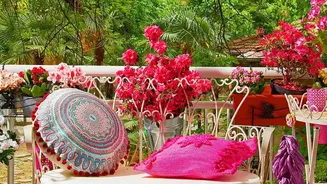
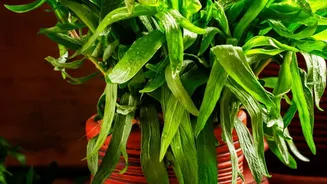
Getting started is easier than you think. Many common and beloved Indian plants are butterfly magnets. The humble Curry Leaf tree is a host plant for the Common Mormon. The vibrant flowers of Hibiscus and Ixora are fantastic nectar sources that are easy to grow in pots. Parijat, or night-flowering jasmine, is a fragrant native shrub that butterflies love. Lantana, another hardy plant, provides clusters of flowers that are irresistible to a wide variety of butterfly species. Even plants like Tulsi and Marigold play a role in creating a healthy, pollinator-friendly environment. Start with one or two of these, and watch your garden come to life.
Finding Your Plants Is Getting Easier
Perhaps the biggest driver of this trend is accessibility. In the past, finding specific native plants could be a challenge, with most commercial nurseries focusing on popular exotic hybrids. Today, the landscape is changing. A growing number of specialised nurseries, both physical and online, now cater exclusively to those seeking native species. Organizations and community groups on social media platforms facilitate knowledge sharing and even seed swapping. This new ecosystem of suppliers and enthusiasts makes it simpler than ever for an aspiring butterfly gardener to find the plants and information they need to succeed.