


Waterproof Outerwear: Your Primary Shield
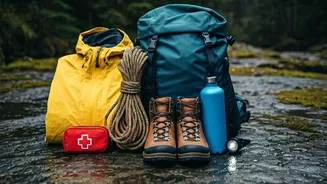
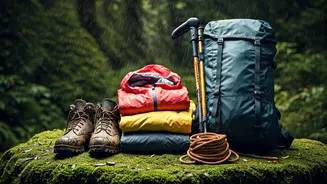
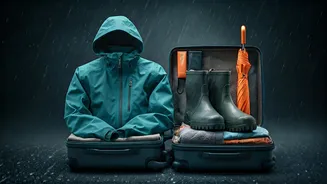
This is non-negotiable. A high-quality waterproof jacket or a poncho is your first line of defence against relentless rain. [8] A jacket offers better mobility, but a poncho has the advantage of covering both you and your backpack. Look for gear with
taped seams to ensure it's fully waterproof, not just water-resistant. [13] Many trekkers also pack waterproof pants to keep their lower body dry on drenched trails. Remember, the goal is to keep your core layers dry to maintain your body temperature. [8]
The Right Footwear: Grip is Everything
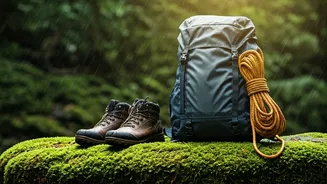
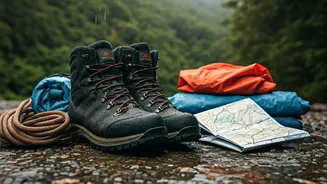
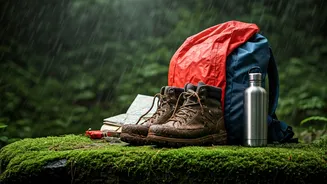
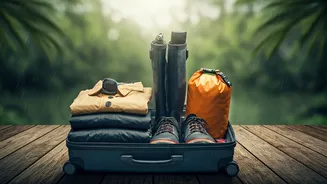
Monsoon trails are notoriously slippery, muddy, and unpredictable. [15] Your choice of footwear is critical for safety and comfort. Invest in waterproof trekking shoes with deep lugs for excellent grip on wet rocks and slushy paths. [11] High-ankle support is crucial to prevent twists and sprains, especially when carrying a heavy pack. [3, 11] While waterproof shoes are great, some trekkers in milder conditions prefer mesh footwear that drains quickly, paired with waterproof socks. [9, 13] Whatever you choose, ensure they are well broken-in before your trek to avoid painful blisters. [3] Also pack leech-proof socks if you're heading into forests known for them. [2]
Backpack & Rain Cover: Protect Your Gear
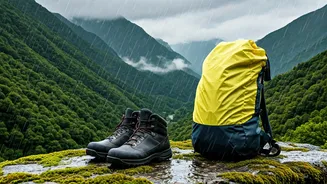
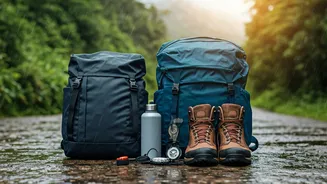
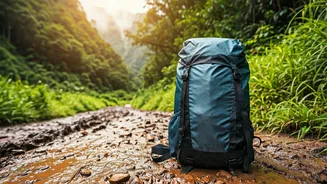
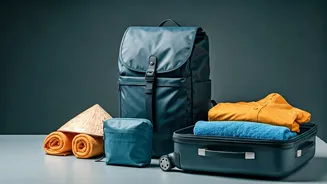
Your backpack holds all your essentials, and keeping them dry is paramount. [2] Even if your bag is water-resistant, it won't stand up to hours of rain. A dedicated rain cover is a must-have. [11] For an extra layer of protection, line the inside of your backpack with a large plastic bag or use multiple dry bags to compartmentalize your belongings. [12] This ensures that your spare clothes, electronics, and sleeping bag remain dry even if water seeps through the outer layers. [8]
Smart Clothing Choices: Avoid Cotton
The golden rule of trekking is to avoid cotton. Cotton absorbs moisture, takes a long time to dry, and can leave you feeling cold and damp, increasing the risk of hypothermia. [7] Opt for quick-drying synthetic fabrics like polyester or nylon for your t-shirts and trek pants. [4] Pack in layers: a moisture-wicking base layer, a fleece or light wool mid-layer for insulation, and your waterproof outer shell. [17] Always carry extra pairs of socks to keep your feet dry and prevent blisters. [5]
Essential Gear and Safety Items
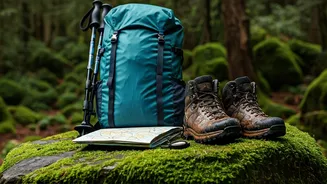
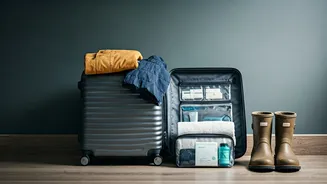
Beyond clothing, several other items are vital. Trekking poles provide much-needed stability on slippery descents and reduce strain on your knees. [9] A headlamp or flashlight is essential, as overcast monsoon skies can lead to early darkness. [15] Pack a well-stocked first-aid kit with basics for cuts, blisters, and any personal medications. [2] Include insect repellent, especially for lower-altitude treks where mosquitos and other bugs are common. [3] Finally, keep your electronics safe in waterproof pouches or Ziplock bags. [11]
Hydration and Nutrition: Fuel for the Trail
Trekking in high humidity can be dehydrating. Carry at least two water bottles and consider a portable water filter or purification tablets, as natural water sources might be contaminated during the monsoon. [14] Pack high-energy snacks that are easy to eat on the go. [5] Items like nuts, energy bars, and dried fruits provide a quick fuel boost to keep your energy levels up on challenging climbs. [5]