




More Than Just Tradition
For generations, sesame oil, or 'til ka tel', has been a fixture in Indian households, used for everything from lighting lamps to seasonal cooking. Its importance is deeply rooted in Ayurvedic traditions, where it's valued for its warming and nourishing
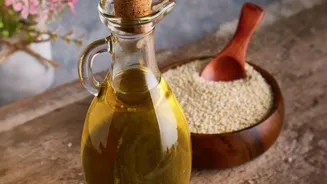
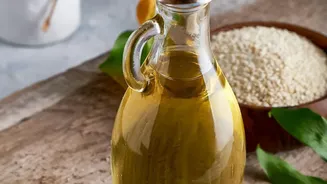
properties. Today, this ancient oil is experiencing a renaissance, especially in bustling city homes. The renewed interest isn't just about nostalgia; it’s about a specific, superior version of this oil—the cold-pressed kind. As urban dwellers become more discerning about their food's origin and nutritional value, they are looking past refined oils to embrace purer alternatives that promise both flavour and function. Cold-pressed sesame oil fits this need perfectly, bridging the gap between ancestral wisdom and the demands of a modern, health-conscious lifestyle.
What 'Cold-Pressed' Really Means
The term 'cold-pressed' is key to understanding this trend. Unlike commercially produced oils that use high heat and chemical solvents for extraction, cold-pressing is a mechanical process. Sesame seeds are crushed at a low temperature to extract the oil naturally. This gentle method ensures that the oil retains its nutritional integrity, including its delicate micronutrients, antioxidants, and authentic nutty flavour that are often destroyed by heat. The result is a richer, more aromatic, and nutritionally potent oil. While refined oils might have a higher smoke point or a longer shelf life, they often sacrifice the very compounds that offer health benefits. For those focused on wellness, the choice is clear: cold-pressed oil offers the unadulterated goodness of the sesame seed.
A Boost for Heart and Body
The wellness appeal of cold-pressed sesame oil lies in its impressive nutritional profile. It is packed with polyunsaturated and monounsaturated fats, which are known to be heart-healthy. Studies suggest these fats can help lower 'bad' LDL cholesterol while maintaining 'good' HDL cholesterol, contributing to better cardiovascular health. Furthermore, sesame oil is a powerhouse of antioxidants, particularly sesamol and sesamin. These compounds help fight oxidative stress, which is linked to chronic inflammation and various diseases. This anti-inflammatory property is highly valued in traditional medicine for managing joint pain and is now being recognised by modern science.
Integrating It Into Your Daily Diet
Embracing cold-pressed sesame oil doesn't require a complete overhaul of your cooking habits. Its rich, nutty flavour makes it a versatile addition to the Indian kitchen. While it can be used for light sautéing over moderate heat, its true potential shines when used in ways that preserve its flavour and nutrients. Whisk it into a vibrant salad dressing with lemon juice and spices, or drizzle it over roasted vegetables right after they come out of the oven. A teaspoon stirred into cooked rice, quinoa, or millets adds a wonderful depth of flavour. You can also add a few drops to soups and broths just before serving to enhance their richness. Beyond cooking, Ayurveda has long promoted its use for oil pulling to support oral hygiene and for self-massage (Abhyanga) to nourish the skin.
How to Choose and Store Your Oil
When shopping for cold-pressed sesame oil, look for bottles that are dark or opaque, as this helps protect the oil from light, which can degrade its quality. The label should clearly state that it is 'cold-pressed' and 'unrefined'. Good quality oil will have a pleasant, nutty aroma and a golden hue. To maintain its freshness and nutritional benefits, store the oil in a cool, dark place, away from the stove or direct sunlight. Unlike some other oils, it's generally not recommended to refrigerate sesame oil, as this can cause it to become cloudy and thick, although it won't spoil it. Proper storage ensures that you get the most out of every drop, preserving both its flavour and its potent wellness properties.