







Why the Monsoon is a High-Risk Season
The combination of high humidity and ambient warmth creates the perfect breeding ground for bacteria, viruses, and fungi. This moisture-rich environment allows harmful microbes like E. coli and Salmonella to multiply rapidly, increasing the chances of food
contamination. Furthermore, heavy rains can lead to waterlogging and contamination of water supplies, posing a significant risk for diseases like cholera, typhoid, and gastroenteritis. This means that everything from the water used for cooking to the freshness of ingredients becomes a critical factor in a restaurant's ability to serve safe food. FSSAI often increases surprise inspections during this period due to a rise in food poisoning complaints.
The Street Food Dilemma
Enjoying street food is a quintessential Indian experience, but it requires the most caution during the monsoon. Stalls are often located near open drains, and there's a heightened risk of food being contaminated by rainwater. Water used for popular items like golgappas or fresh juices is a primary concern, as it might not be potable. Experts advise sticking to freshly prepared, hot foods like bhajis, samosas, or corn on the cob, as the high cooking temperature kills most germs. It's best to avoid pre-cut fruits, salads, and chutneys that have been sitting out, as they are highly susceptible to bacterial growth.
Your Diner's Checklist for a Safe Meal
You don't need to see the kitchen to make an educated guess about a restaurant's hygiene standards. Start with the basics: is the dining area clean, are the floors swept, and are the tables wiped down? Pay attention to the details. Sticky condiment bottles or menus can be a red flag. A visit to the washroom is often very telling; if it’s unclean or the bin is overflowing, it suggests a general lack of attention to cleanliness that might extend to the kitchen. Also, observe the staff. They should be wearing clean uniforms and have a neat appearance. These small details often reflect the overall standards of the establishment.
What to Order and What to Avoid
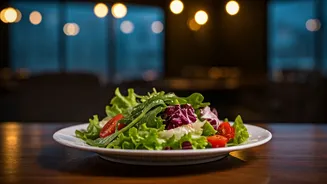
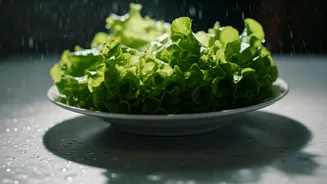
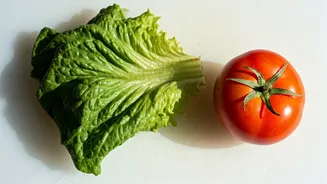
During the monsoon, it's wise to be strategic with your food choices. Opt for dishes that are cooked to order and served piping hot. Thorough cooking is one of the most effective ways to kill harmful bacteria. Be wary of raw or lightly cooked items. This includes salads, raw vegetable garnishes, and some seafood preparations. Even leafy vegetables should be consumed with caution unless you are certain they have been washed thoroughly in clean water and cooked well. It's also safer to drink bottled, filtered, or boiled water and avoid ice unless you are sure it was made from purified water.
Behind the Scenes: What Smart Restaurants Do
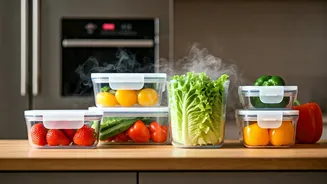
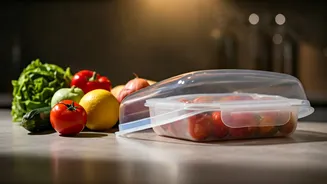
Reputable restaurants take extra precautions during the rainy season. This includes rigorous pest control, as the weather drives insects and rodents indoors. They implement strict protocols for food storage, keeping raw and cooked foods separate to prevent cross-contamination and ensuring refrigerators are at the correct temperature (below 5°C). Many establishments increase the frequency of cleaning and sanitising kitchen surfaces. They also manage their inventory carefully, often buying perishables in smaller, more frequent batches to ensure freshness and reduce spoilage from humidity or power cuts. Staff hygiene, including regular handwashing and wearing clean attire, is also enforced more strictly.