







The 'Bharat' Brand Explained
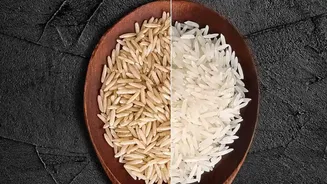
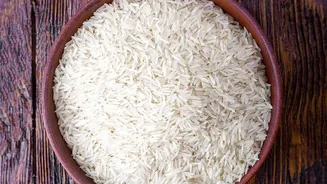
The 'Bharat' brand is a Central government initiative designed to tackle food inflation by providing essential commodities to consumers at controlled, affordable prices. The primary items under this scheme are Bharat Atta (packaged wheat flour) and Bharat Rice.
This is not part of the PDS (Public Distribution System) for ration card holders but a market intervention program open to all consumers. The goal is to increase the supply of these key staples in the open market, which helps to cool down overall prices and provides a direct, cheaper alternative for shoppers.
New Prices for 2026-27
Under the latest policy for 2026-27, the government has set new Maximum Retail Prices (MRPs). Bharat Atta will be sold at a fixed price of ₹32 per kg. For Bharat Rice, the pricing is slightly more varied: 5 kg and 10 kg packs are priced at ₹35 per kg until October 31, 2026, after which the price will increase to ₹36 per kg. Larger 30 kg packs are available at a lower rate of ₹33 per kg, moving to ₹34 per kg from November 1, 2026. These prices represent significant savings compared to the prevailing market rates for similar unbranded and branded products.
Where to Buy Bharat Staples
These subsidized products are distributed through a specific network of government-associated agencies. You can find Bharat Atta and Rice at the physical retail outlets of NAFED (National Agricultural Cooperative Marketing Federation of India), NCCF (National Cooperative Consumers' Federation of India), and Kendriya Bhandar. In addition to these stores, the government uses a fleet of mobile vans to reach consumers in various neighbourhoods, making the products more accessible. The government has also indicated that these staples will be sold through other retail and e-commerce platforms to widen their availability.
Why Is the Government Doing This?
The primary driver behind the Bharat brand scheme is to manage the country's food inflation. Over the last couple of years, prices for essential commodities, including wheat and rice, have seen a steady increase, putting pressure on household budgets. By releasing stocks from the Food Corporation of India (FCI) at subsidized rates, the government directly injects a more affordable option into the market. This not only gives consumers immediate relief but also encourages private players to keep their own prices competitive, thus helping to stabilize the market.
The Impact on Your Wallet
For the average family, the savings can be substantial. For instance, if the market rate for a kilogram of atta is around ₹40-45, buying Bharat Atta at ₹32 offers a direct saving of 20-30%. Similarly, with Bharat Rice priced at ₹35 per kg against market rates that can be 15-20% higher, a family consuming 10-15 kg of rice and atta per month could save a few hundred rupees. While it may seem modest on a per-kg basis, these savings add up over the year, providing meaningful relief to household finances, especially for low and middle-income families.
The Broader Market Effect
While beneficial for consumers, such large-scale government intervention has a mixed impact on the market. It forces private millers and brands to compete with a government-subsidized product, which can put pressure on their profit margins. Some economists argue that such schemes can distort the free market. However, the government's position is that this is a necessary, temporary measure to protect consumers from sharp price shocks and ensure food security for all. The success of the scheme hinges on efficient distribution and ensuring the products reach the intended beneficiaries without leakages or black market sales.