

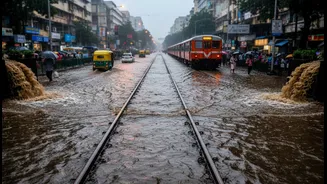


Just How Much Did It Rain?
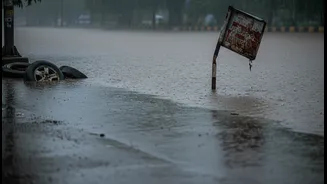
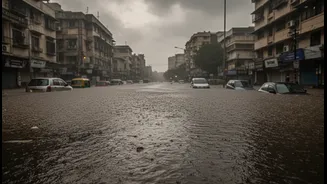
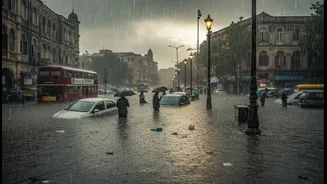
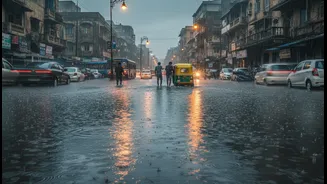
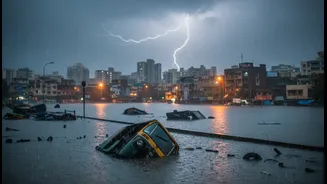
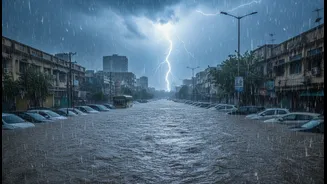
The first week of July 2026 has been exceptionally wet for Mumbai, even by its own monsoon standards. According to meteorological records, the city received its highest rainfall for the period between June 1 and July 7 in the last 27 years. In fact, within
the first week of July, both the Santacruz and Colaba observatories recorded more rainfall than their averages for the entire month. Some reports indicated that the city received nearly 80% of its entire average July rainfall in just the first four days of the month. This pattern points to a worrying trend: climate change is concentrating huge amounts of rain into shorter, more intense periods, overwhelming the city's capacity to cope. Instead of steady showers spread over weeks, Mumbai is increasingly facing 'cloudburst-like' episodes where several hundred millimetres fall in just 24 to 48 hours.
Why Does the City Still Go Under?
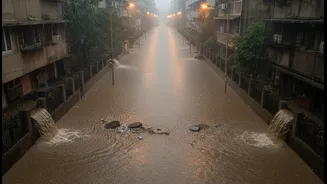
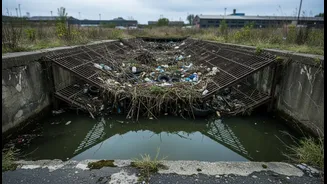
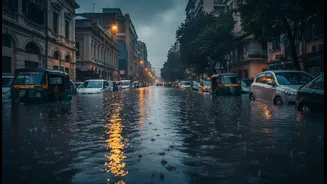
Mumbai's struggle with waterlogging is a chronic issue rooted in geography, urban planning, and ageing infrastructure. Much of the city is built on reclaimed land, with many areas lying just a few metres above sea level. This natural vulnerability is compounded by an outdated drainage system, originally built by the British over 140 years ago and designed for a much smaller population and rainfall intensity of only 25 mm per hour. During high tides, the sea can block the drainage outfalls, preventing rainwater from escaping and causing it to flow back into low-lying areas like Andheri, Sion, and Hindmata. Decades of rapid, often unplanned, urbanisation have replaced natural sponges like mangroves, wetlands, and open soil with concrete, reducing the ground's ability to absorb water. Furthermore, drains are frequently clogged with plastic waste and silt, drastically reducing their efficiency and leading to localised flooding even after moderate showers.
What Brings the Commute to a Halt?
For millions of Mumbaikars, the monsoon's fury is most acutely felt during their daily commute. The city's transport systems are highly susceptible to disruptions from heavy rain. Waterlogging on railway tracks, particularly in low-lying sections, forces suburban local trains—the city's lifeline—to run delayed by 15-30 minutes or get cancelled altogether. This has a cascading effect, leading to severe overcrowding at stations. On the roads, key arterial routes and subways in areas like Andheri, Hindmata, and Parel quickly become inundated, leading to massive traffic snarls that can paralyse vehicular movement for hours. In early July, heavy rains disrupted services on the Western Railway and led to travel advisories from major airlines. Landslides in ghat sections can also sever vital road and rail links to cities like Pune, as seen with disruptions on the Mumbai-Pune Expressway.
How Resilient Are Rented Homes?
While the monsoon affects all residents, tenants and those in older buildings face unique vulnerabilities. The season exposes a property's hidden flaws, with issues like seepage, leaking windows, and damp walls becoming apparent. This is a major concern not just in modest accommodations but also in premium residential projects, where reports of flooded basements and common areas have become common. A far graver risk exists for tenants in Mumbai's thousands of old, 'cessed' buildings. Ahead of the 2026 monsoon, authorities identified 82 such buildings as 'highly dangerous'. Despite eviction notices, many families and tenants refuse to leave, fearing the loss of their tenancy rights and a lack of faith in the redevelopment and rehabilitation process, which can leave them in temporary housing for years. This leaves thousands of residents in a perilous situation each year, forced to choose between staying in a structure at risk of collapse or facing an uncertain housing future.
What Is Being Done?
In response to the early July downpour, the Brihanmumbai Municipal Corporation (BMC) deployed over 10,000 personnel and activated hundreds of pumping stations to drain water from flooded areas. The civic body holds review meetings and coordinates with disaster response teams to manage emergencies like tree falls and building collapses. However, these are largely reactive measures. Scrutiny has fallen on the BMC's preparedness, with reports revealing that over 2,200 manholes remained without protective grills past the May 31 deadline, posing a serious safety risk. While long-term solutions involve upgrading the colonial-era drainage system and installing massive pumping stations, the pace of these projects often struggles to keep up with the increasing intensity of rainfall and the relentless pace of urbanisation.