





Spiti’s Rain Shadow Secret
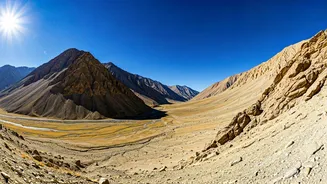
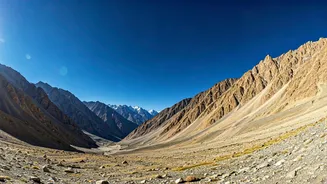
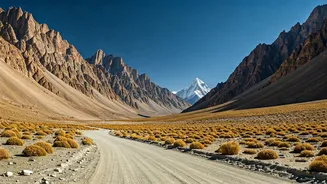
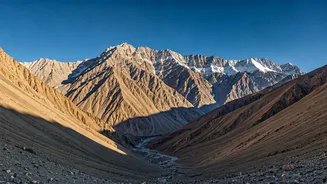
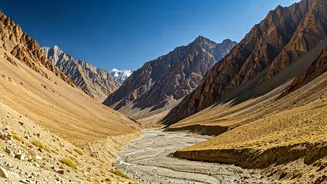
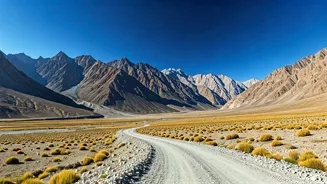
The magic of a dry monsoon in Spiti isn't magic at all—it's geography. Spiti Valley is located in a 'rain-shadow' region. The towering Greater Himalayan range to its south acts as a massive barrier, blocking the moisture-laden monsoon clouds that travel
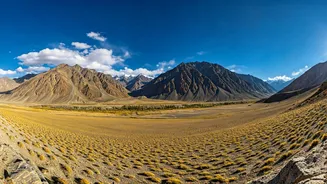
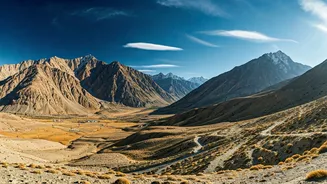
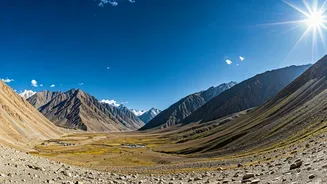
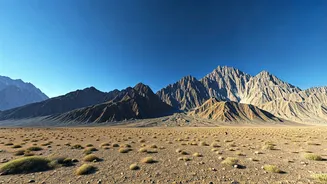
up from the Indian plains. While places like Manali and Shimla get drenched, the clouds exhaust their rain on the mountains, leaving Spiti with clear blue skies and minimal precipitation. In fact, the valley is classified as a cold desert, receiving less than 170 mm of rainfall annually, much of which falls as snow in winter. This makes the monsoon months of July and August the prime time to visit.
A Different Kind of Monsoon Green
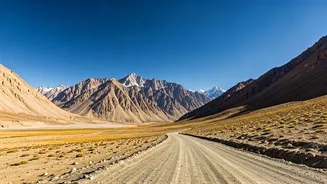
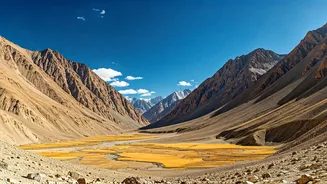
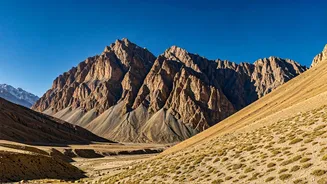
While you won't find the lush, tropical green of other monsoon destinations, Spiti offers its own stunning version of a summer bloom. The light precipitation the region does receive, combined with melting snow, is just enough to carpet the high-altitude meadows around villages like Langza and Komic with a soft green fuzz and wildflowers. This creates a breathtaking contrast against the stark, barren mountains of brown, grey, and ochre. It’s a unique, almost otherworldly landscape that is a paradise for photographers looking for moody skies and dramatic colours.
Clear Skies for Adventure and Stars
A dry valley means your adventure plans are safe. Monsoon is the perfect time for trekking, visiting ancient monasteries, and exploring remote villages without the constant threat of a downpour. All major attractions like the iconic Key Monastery, the Tabo Monastery (a UNESCO site), and the stunning Dhankar Monastery are fully accessible. But the spectacle doesn't end at sunset. The clean, washed air and lack of light pollution result in incredibly clear nights. The stargazing in Spiti during these months is legendary, offering a naked-eye view of the Milky Way that is simply unforgettable.
The Journey: A Calculated Adventure
While Spiti itself is dry, getting there is the real monsoon adventure. The two main routes are from Shimla via Kinnaur and from Manali via Kunzum Pass. The Shimla route is longer but generally considered more stable and reliable during the monsoon. The Manali route is shorter and more dramatic but is also more prone to landslides and dangerous water crossings, especially in July and August. Experienced drivers and flexible itineraries are key. Plan for potential delays, as road blockages on the approach routes are a real possibility. The journey requires patience, but the reward is a tranquil, crowd-free valley waiting at the end.
What to See and Do
Once you're in the valley, a world of wonders awaits. Make Kaza your base to explore the region. Visit Komic, one of the world's highest motorable villages, and send a postcard from the Hikkim post office, the highest in the world. Explore the fossil-rich areas around Langza, and don't miss the serene and breathtakingly beautiful Chandratal Lake, the 'Lake of the Moon'. For wildlife enthusiasts, Pin Valley National Park offers a chance to spot the elusive snow leopard and Himalayan blue sheep.
Essential Tips for a Monsoon Trip
A trip to Spiti in monsoon requires smart planning. Always check the road status before you start your journey, especially for the Manali-Kaza highway. It's wise to add a couple of buffer days to your itinerary to account for any unexpected road closures. Although it doesn't rain much in Spiti, the weather can be unpredictable, so packing in layers is crucial. Include warm clothes for the cold nights, sturdy waterproof shoes for slushy patches or stream crossings, and rain gear for the journey into the valley. Finally, acclimatise properly to the high altitude to avoid sickness; the Shimla route is better for this as it involves a more gradual ascent.