








Why Good Dishes Go Flat
Long, slow cooking is a magical process. It breaks down tough cuts of meat, coaxes sweetness from vegetables, and allows spices to deepen and unify. However, this same process can also cause the brighter, more volatile flavour compounds to mellow out
and fade. While the resulting dish is rich and deep, it can sometimes lack the high notes that make a flavour profile truly exciting. This is where a dish can feel 'flat' or 'muddy'. The individual ingredients have lost their distinct voices, blending into a chorus that, while pleasant, lacks dynamism. The richness from fats can also coat the palate, making it harder to appreciate the subtle complexities you worked so hard to build.
The Scientific Splash
Acid is one of the five basic tastes, alongside sweet, salty, bitter, and umami. When added to a dish, acidic ingredients work on a chemical level to create balance and contrast. Their primary function is to cut through richness and fat, cleansing the palate with each bite and making the dish feel lighter and more vibrant. This is why a squeeze of lemon over fried fish or a drizzle of vinegar in a hearty stew works so well. Acid makes our mouths water, and this physical reaction literally helps to spread the other flavours across our taste buds, making them seem more pronounced. It wakes everything up, enhancing salty and sweet notes while softening bitterness.
Know Your Arsenal of Acids
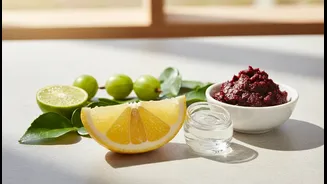
Not all acids are created equal, and the right choice depends on your dish. For Indian cooking and beyond, your kitchen is likely already stocked with powerful options. Citrus is a classic choice; the bright, floral notes of lemon and the sharper tang of lime can instantly lift everything from a simple dal to a rich rogan josh. Vinegars offer a wider spectrum, from the gentle apple cider vinegar to sharper white vinegar. Don't overlook the power of cultured dairy like yogurt and buttermilk, which provide a gentler, creamier acidity perfect for marinades and finishing sauces. Ingredients like tomatoes, tamarind (imli), and dried mango powder (amchoor) are foundational acids in many Indian cuisines, providing depth and sourness from the start.
Timing is Everything
The headline's wisdom hinges on one crucial factor: timing. When you add acid makes a huge difference. Adding an acidic ingredient like tomatoes or wine early in the cooking process allows its flavour to cook down, mellow, and integrate, forming a deep, foundational part of the dish. This is perfect for building complexity. However, to achieve that sharp, flavour-sharpening effect, you must add your acid at the very end. A final splash of vinegar or a squeeze of lime just before serving doesn't have time to cook off. Its bright, volatile compounds remain intact, hitting the palate with a burst of freshness that lifts all the other flavours that have been simmering for hours.
Putting It Into Practice
Ready to try it? Next time you make a lentil soup or dal that tastes a little dull, stir in a splash of apple cider vinegar or a squeeze of lemon just before you take it off the heat. For a rich meat or chicken curry, a finishing touch of lime juice can cut through the ghee and make the spices sing. Even simple roasted vegetables can be transformed with a final drizzle of balsamic vinegar. The key is to start small. Add a little, stir, and taste. You are not trying to make the dish taste sour; you are using the acid as a seasoning, much like salt, to make everything else taste more like itself. It’s a simple technique that chefs use constantly, and it’s one of the easiest ways to elevate your home cooking from good to brilliant.