






The New Era of Travel Unpredictability
Planning a trip used to be about finding the right destination and the best deals. Now, it's increasingly about navigating the volatile moods of Mother Nature. The one word that defines travel today is 'unpredictable'. Climate change is no longer a distant
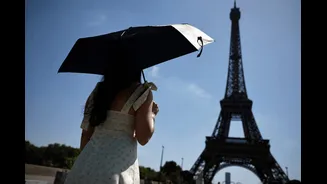
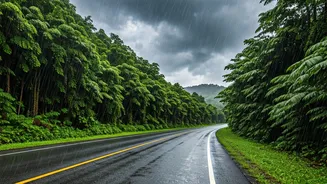
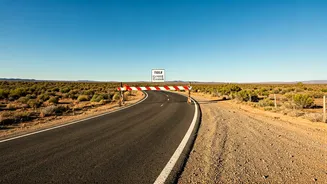
concept; it's a real-time disruptor of holiday plans. We're seeing everything from scorching heatwaves in Europe to flash floods in the Himalayas, turning dream destinations into hazard zones with little warning. This summer, a record heatwave across Europe has forced the closure of tourist hotspots like the Eiffel Tower and the Louvre, and caused widespread train cancellations as tracks overheat. It’s not just about a little rain anymore; it’s about conditions so extreme that infrastructure fails and authorities advise against travel.
From a European Summer to a Himalayan Trek
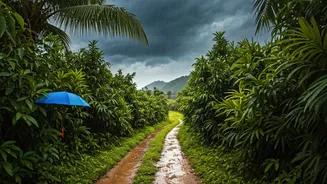
For Indian travellers, this new reality hits close to home, affecting popular vacation choices both abroad and domestically. The coveted European summer holiday is now a gamble against temperatures soaring above 40°C, which infrastructure in many older cities wasn't built to handle. Back home, the beloved monsoon getaways and Himalayan treks come with heightened risks. In just the past week, flash floods in Arunachal Pradesh have led to the airlifting of stranded tourists. These are not isolated incidents. In recent years, tourists have been stranded by landslides in North Bengal and sudden heavy snowfall in Kashmir, leading to flight cancellations and road closures. The cherished idea of a peaceful escape is now frequently interrupted by red alerts and rescue operations, a stark reminder that seasons are shifting and weather patterns have become dangerously erratic.
Your Phone Is Your New Co-Pilot
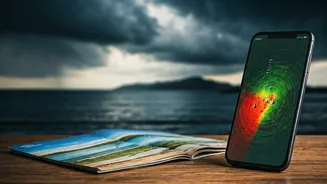
This is where our relationship with technology is changing. Weather apps are no longer just for checking if you need an umbrella. They have become critical safety and navigation tools for any traveller. Real-time alerts for severe weather, from heat warnings to storm trackers, provide the crucial information needed to make informed decisions on the go. Think of it as having a personal travel advisor who is constantly monitoring risks. These apps provide push notifications for your saved locations, offer hyperlocal forecasts, and track specific hazards like lightning or flooding, allowing you to adapt your plans, whether that means finding an alternate route or cancelling an outdoor activity for the day. In this new climate, staying informed isn't just convenient; it's a fundamental part of staying safe.
How to Be a Climate-Smart Traveller
So, how do you travel in this new age of uncertainty? The key is to blend flexibility with preparedness. First, embrace the 'shoulder season'—the periods just before and after the peak tourist rush—which often have milder weather, though even these are becoming more popular. When booking, opt for flexible flights and accommodations that allow for last-minute changes without heavy penalties. Always have a Plan B for your itinerary. Research the local climate patterns of your destination before you go and understand that they might be changing. Pack for volatility with layers and waterproof gear, even if the forecast looks clear. Most importantly, heed local advice and official alerts. If authorities are warning people to stay indoors or avoid certain areas, listen to them. It could be the most important travel decision you make.