




The Problem with Polished White Rice
White rice is a beloved part of countless meals, but its journey to our plate involves a refining process that strips it of its most valuable nutrients. The bran and germ, which are removed during milling and polishing, contain the majority of the grain's
fiber, vitamins, and minerals. What's left is mostly simple starch. This lack of fiber means white rice is digested quickly, leading to rapid spikes in blood sugar and offering little to support the complex ecosystem within our gut. For those struggling with digestive issues like bloating or constipation, a diet heavy in refined grains can often be a contributing factor.
Meet the Millet Powerhouses: Foxtail and Sorghum
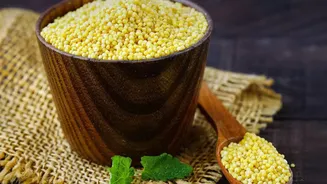
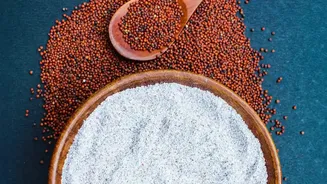
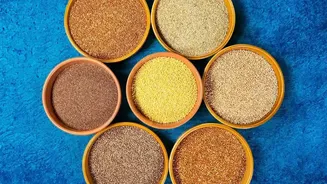
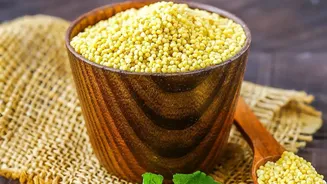
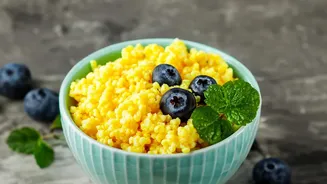
Before rice and wheat dominated our diets, millets were a staple across India. Foxtail millet, known as 'Kangni' or 'Thinai', and sorghum, or 'Jowar', are two such ancient grains now being recognized for their incredible health benefits. These hardy crops are not only sustainable and climate-resilient but also nutritionally dense. Unlike polished white rice, they are whole grains, meaning they retain their natural fiber, protein, and micronutrient content, making them an excellent choice for anyone looking to upgrade their nutrition.
Fiber: Your Gut's Best Friend
The single biggest advantage millets have over white rice is their high fiber content. Foxtail millet contains roughly 8 grams of fiber per 100g, while polished white rice has a meager 0.3g. This difference is monumental for gut health. Millets are rich in both soluble and insoluble fiber. Insoluble fiber adds bulk to stool, promoting regular bowel movements and preventing constipation. Soluble fiber dissolves in water to form a gel-like substance, slowing digestion and helping you feel full for longer. More importantly, this fiber acts as a prebiotic—food for the beneficial bacteria living in your gut.
A Thriving Gut Microbiome
When the good bacteria in your gut feast on the prebiotic fibers from millets, they produce short-chain fatty acids (SCFAs). These compounds are vital for maintaining a healthy gut lining, reducing inflammation, and improving nutrient absorption. A balanced gut microbiome doesn't just improve digestion; it's linked to a stronger immune system, better mood regulation, and a lower risk of chronic diseases. Millets also contain antioxidants and polyphenols that further protect gut cells from damage and reduce inflammation.
The Nutritional Advantage Beyond Fiber
The benefits don't stop at fiber. Millets are nutritionally superior to white rice across the board. Foxtail millet, for example, has nearly double the protein of white rice, which helps with muscle repair and satiety. They are also significantly richer in essential minerals. Foxtail millet provides more than three times the calcium and iron compared to white rice, crucial for bone health and preventing anemia, a common concern in India. They are also a great source of magnesium and B vitamins, supporting everything from energy metabolism to nerve function.
Making the Switch: Simple and Delicious
Incorporating millets into your diet is easier than you think. They can be used as a direct substitute for rice in almost any dish—from pulao and biryani to curd rice and khichdi. To cook foxtail or sorghum millet as a rice replacement, first rinse the grains thoroughly. Soaking them for at least 30 minutes to a few hours is highly recommended; this softens the grains, reduces cooking time, and makes them easier to digest. As a general rule, use about 2 to 2.5 cups of water for every 1 cup of millet. You can cook them in an open pot or a pressure cooker. Once cooked, fluff with a fork and serve with your favourite dal, curry, or sambhar.