








The End of the Paper Trail
For decades, the Incoming Passenger Card has been a mandatory ritual for every international arrival in Australia. Whether returning home or visiting, travellers have dutifully filled out the paper form, declaring personal details, travel history, and any
goods that might pose a biosecurity risk. But after successful trials, the federal government has announced it is officially phasing out these paper cards. The government is investing $56.1 million over four years to modernise airport systems and roll out a digital replacement across all international airports and seaports. This transition follows pilot programs involving over 450,000 Qantas passengers arriving in Brisbane, Sydney, and Melbourne, which have proven the digital concept's success.
Introducing the Digital Declaration
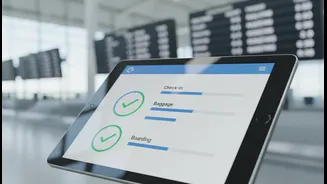
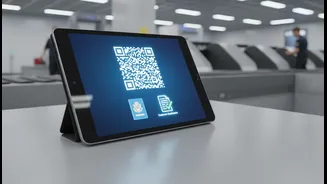
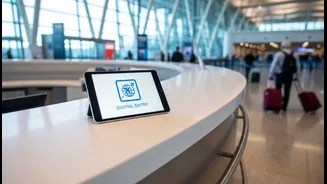
The replacement is called the Australia Travel Declaration (ATD). Instead of filling out a form on the plane, travellers will be able to submit their declaration online. Initially, this will be done through a web form, but the government plans to work with airlines to integrate the declaration into travel apps, similar to the Qantas trial where users completed the form and received a QR code to be scanned upon arrival. The system will be expanded to Perth and Adelaide by the end of 2026, with a full, phased rollout to all airports and seaports expected over the following 12 to 18 months. During this transition, paper cards will still be available.
More Than Just Saving Paper
The primary driver for this change is efficiency. Officials and industry leaders alike have called the paper system “antiquated”. Home Affairs Minister Tony Burke noted the change will help travellers get out of the airport faster and create a “seamless border process”. The digital system allows for the collection of passenger information before they even land. This pre-arrival data is crucial for authorities, enabling them to perform better risk assessments for both security and biosecurity threats, such as disease outbreaks. It also improves data quality and allows for rapid updates to declaration questions if a new global risk emerges.
A Sign of Wider Change
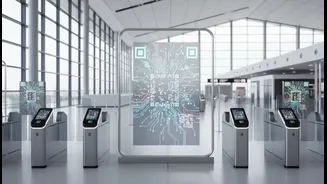
The digitisation of the passenger card is just one piece of a much larger puzzle. The move is explicitly part of a broader push to create a “biometric-enabled, seamless digital border experience”. The Australian Border Force (ABF) sees this as a milestone toward a future of streamlined and contactless travel. The $56.1 million funding also supports projects exploring a contactless arrivals clearance process and streamlined baggage handling. This vision is about keeping pace with global travel hubs in New Zealand, Singapore, and Japan, which already have similar digital systems, and preparing for a massive projected increase in passenger numbers, with one forecast suggesting international passenger movements could nearly double by 2040.
What This Means for Your Next Trip
For passengers, the immediate benefit is convenience. It means no more scrambling for a pen or trying to recall flight details and hotel addresses while tired after a long flight. As the system rolls out, travellers to Australia will need to complete the Australia Travel Declaration online before they arrive. While the Qantas trial allowed for completion up to 72 hours in advance, you will need to check the specific requirements as the new system becomes universal. The shift makes Australia's arrival process faster and more modern, aligning the first impression for many visitors with the country's reputation. It's a simple, practical change aimed at making the journey from the gate to the exit as efficient and stress-free as possible.