





Understanding the Uneven Transition
October in India marks a period of climatic shift. The southwest monsoon, which drenches the subcontinent from June to September, begins its withdrawal. However, this retreat is not a uniform, nationwide event. While northern regions like Rajasthan and
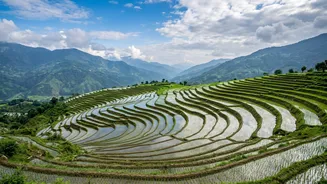
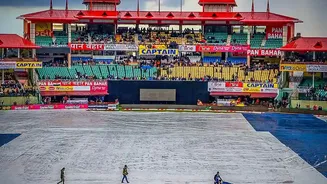
Delhi may start experiencing clear skies and drier, pleasant weather, other parts of the country face a different reality. As of late September and early October 2026, forecasts indicate that while the monsoon has withdrawn from most of northwest India, heavy rainfall is expected to continue in southern and northeastern states. A low-pressure system can keep the monsoon active over peninsular India, leading to lingering showers in Kerala, Karnataka, and Tamil Nadu. This creates a patchwork of weather conditions, making it crucial for travellers to know which regions are drying out and which are still wet.
Choose Your Destination Wisely
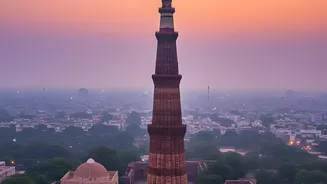
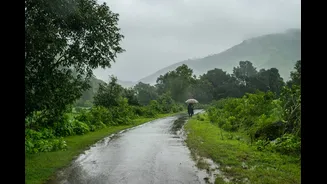
Given the variability, destination choice is everything. Northwest India is a strong contender for an October trip. States like Rajasthan, Punjab, and Haryana, along with Delhi, are seeing the monsoon retreat, promising comfortable temperatures and dry conditions perfect for sightseeing. In contrast, travellers should be cautious about plans in the south and northeast. The India Meteorological Department (IMD) has forecast isolated heavy rainfall for Kerala, Karnataka, Tamil Nadu, and parts of the northeast into early October. While hill stations like Munnar and Coorg are incredibly lush this time of year, the persistent rain can lead to slippery roads and limited visibility, so flexibility is key. Goa also starts its peak season, but strong sea currents can make swimming dangerous, and many beach shacks may still be closed.
Embrace a Flexible Itinerary
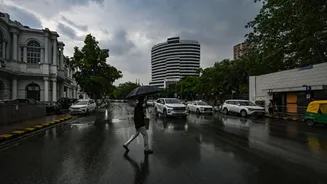
The single most important rule for travelling during this season is to remain flexible. Unpredictable weather can disrupt even the best-laid plans. Heavy rains can cause sudden road closures, especially in hilly areas like Uttarakhand and Himachal Pradesh, where the risk of landslides increases. Train services can be delayed due to flooded tracks, and flights may be rerouted because of poor visibility. To counter this, build buffer days into your schedule. Opt for refundable or flexible bookings for hotels and transport wherever possible. This allows you to change your plans without significant financial loss if a destination becomes inaccessible or the weather turns severe. Following daily weather advisories from the IMD is essential.
Pack for Sun, Rain, and Humidity
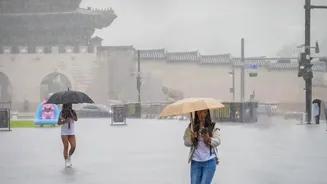
Packing for the monsoon transition requires a versatile wardrobe. Prioritise lightweight, quick-drying clothes, as humidity can be high even when it's not actively raining. A reliable, breathable raincoat and a sturdy umbrella are non-negotiable. Footwear is critical; choose waterproof shoes or sandals with good grip to navigate potentially slippery and waterlogged streets. Leave leather shoes and white sneakers at home. To protect your valuables, use waterproof bags or covers for electronics and important documents. With the rain come mosquitoes, so an effective insect repellent is a must-have to protect against dengue and malaria, which are more prevalent during this season.
Prioritise Health and Safety
The post-monsoon period can present specific health risks. The risk of water-borne and mosquito-borne diseases like dengue fever tends to peak between July and December. Be cautious about street food and drink only bottled or properly purified water. In addition to mosquito repellent, wearing clothes that cover your skin can help prevent bites. When travelling in hilly or remote regions, be aware of the potential for landslides and flash floods. Avoid driving in the mountains at night and stay away from overflowing rivers and streams. It's also wise to carry a basic first-aid kit with essentials for minor injuries and ailments.