



The Return of a Tangy Tradition
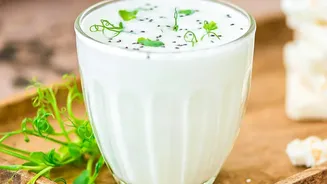
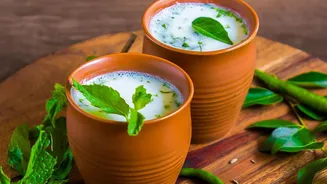
For generations, drinks like Kanji—a tangy, deep-purple beverage made from fermented black carrots or beetroot—were household staples, especially during the winter and spring months. Along with the ever-present buttermilk (chaas) and regional favourites
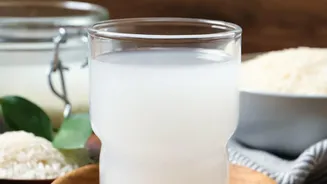
like the ragi-based Ambli from Karnataka or the coastal Sol Kadhi, these drinks were part of India’s rich culinary fabric. For years, they were overshadowed by sugary sodas and, more recently, by global wellness imports like kombucha and kefir. Now, that’s changing. Urbanites across India’s metro hubs are rediscovering these potent, flavourful beverages, not just as a nod to nostalgia, but as a conscious lifestyle choice. They are appearing on restaurant menus as welcome drinks, being sold in bottled form by new-age brands, and are being celebrated by health-conscious consumers.
A Gut Feeling for Wellness
The primary driver behind this revival is the global obsession with gut health. In an era where 'probiotics' have become a wellness buzzword, consumers are increasingly aware of the connection between a healthy gut microbiome and overall well-being, from digestion to immunity. Traditional Indian fermented drinks are natural powerhouses of probiotics, primarily beneficial bacteria like Lactobacillus. The fermentation process not only creates these good bacteria but also makes the nutrients in the ingredients more easily available for the body to absorb. As people seek alternatives to processed foods and drinks, these homegrown elixirs offer a perfect solution. They are natural, effective, and deliver the gut-friendly benefits that modern consumers are actively seeking.
A Sip of Cultural Pride
This comeback is about more than just health benefits; it’s also a story of cultural rediscovery and pride. In a world saturated with global trends, there is a growing desire to reconnect with local traditions and embrace authentic, homegrown products. These drinks represent a deep-seated culinary wisdom passed down through generations. They are rooted in seasonal eating—Kanji with winter carrots, chaas to cool down in the summer—and sustainability, using simple, locally available ingredients. For many urban Indians, choosing a glass of Kanji over an imported kombucha is a small but significant act of celebrating their own heritage. It’s a move away from simply adopting Western health trends and instead finding value and sophistication in India’s own time-tested practices.
Bottling Tradition for a New Generation
What makes this comeback different is its commercial savvy. This isn't just a trend confined to home kitchens. A new wave of Indian entrepreneurs is bottling these traditional drinks, giving them a modern makeover and making them accessible to a wider audience. Packaged in sleek glass bottles and available online and in health food stores, drinks like Kanji are being positioned as 'India's Kombucha'. By presenting these beverages in a convenient, ready-to-drink format, these brands are bridging the gap between tradition and modern convenience. This allows busy urban consumers to incorporate the goodness of these fermented drinks into their fast-paced lives without the effort of making them from scratch, ensuring the trend has both cultural resonance and commercial legs to stand on.