





As temperatures drop, do you notice your skin losing its summer glow? That tight, dull, and dry feeling is a common winter woe. The reason is a fascinating mix of your body's survival instincts and environmental factors that sap your skin's vitality.
Your Body's Protective Instinct
When you step into the cold, your body's primary goal is to protect your vital organs by keeping your core warm. It achieves this through a process called vasoconstriction. Your brain signals the tiny blood vessels near the surface of your skin, especially in your hands, feet, and face, to tighten and narrow. This is a smart survival mechanism that reduces blood flow to your skin, minimizing heat loss to the cold air. While this process is essential for regulating your internal temperature, it has a noticeable side effect on your complexion. The reduced blood supply means less oxygen and fewer nutrients are reaching your skin's surface, which is a key reason for that loss of a rosy, vibrant glow.
The Double Threat: Dry Air
Reduced circulation is only half the story. Winter air, both outdoors and indoors, is significantly less humid. Cold air simply cannot hold as much moisture as warm air. Inside, central heating systems further strip the air of humidity, creating an incredibly dry environment. This dry air acts like a thief, constantly pulling moisture away from your skin's surface through a process called transepidermal water loss. A healthy skin barrier, made of natural oils (lipids), normally prevents this. However, the combination of cold winds and dry indoor heat weakens this barrier, allowing moisture to escape more easily and leaving skin feeling tight, flaky, and irritated.
How to Restore Your Winter Glow
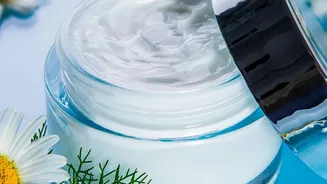
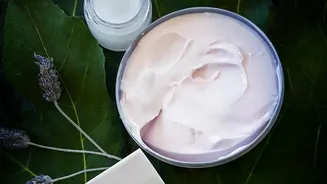
Combating winter skin requires a two-pronged approach: boosting circulation and locking in moisture. You can gently stimulate blood flow through facial massage when applying products or by staying active with regular exercise. Even a brisk walk can get your blood pumping, helping to deliver that much-needed oxygen back to your skin cells. For external care, it's crucial to adapt your skincare routine. Switch to a richer, cream-based moisturizer to create a more effective barrier against moisture loss. Look for products containing ingredients like hyaluronic acid, which draws moisture into the skin, and ceramides or shea butter, which help repair the skin's natural barrier.
Smart Habits for Healthy Skin
Your daily habits play a huge role in your skin's health. While a long, hot shower feels comforting in the cold, hot water strips your skin of its natural protective oils. Opt for lukewarm water and shorter showers instead. Always apply moisturizer immediately after bathing, while your skin is still slightly damp, to lock in that hydration. Using a gentle, hydrating cleanser that doesn't foam excessively will also help protect your natural oils. Finally, don't underestimate the power of internal hydration. Drinking plenty of water throughout the day helps keep your skin hydrated from the inside out, and incorporating foods rich in omega-3 fatty acids, like salmon and walnuts, can help strengthen your skin barrier.