
What Makes a Grocery Order Unsafe?
The convenience of quick commerce is undeniable, but it comes with risks. An unsafe order isn't just an inconvenience; it can be a health hazard. Common issues include receiving dairy products or meats at unsafe temperatures, packaged goods with broken
seals, produce with mould, or items well past their expiry date. Recently, rising consumer complaints about expired, rotten, or contaminated food from quick-commerce platforms have prompted increased scrutiny from regulators like the Food Safety and Standards Authority of India (FSSAI). In some cases, warehouses or 'dark stores' that power these rapid deliveries have been flagged for unhygienic conditions, poor storage, and stocking expired products. An unsafe order can range from a loaf of bread with fungus to infant food formula that shows signs of improper handling.
Your First Step: Immediate Inspection
The moment your order arrives, your diligence begins. Before the delivery person leaves, if possible, and certainly before you put anything away, do a quick but thorough check. Inspect perishable items like milk, yoghurt, and fresh vegetables first. Check the 'best before' or 'expiry' dates on all packaged goods. According to FSSAI regulations, delivered products should have at least 30% of their shelf life remaining or be at least 45 days from expiry. Squeeze packaged items to check for broken seals or leaks. For frozen items, ensure they are still solid. This initial check is your first and best opportunity to catch a problem before it becomes a bigger issue.
Your Phone Is Your Best Evidence
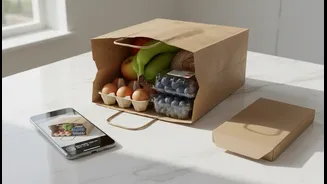
If you find something wrong, the most crucial step is to document everything immediately. Your smartphone is your most powerful tool here. Take clear photographs and videos of the issue before you dispose of anything. Be sure to capture the expiry date, any visible damage or spoilage, the batch number, and the product label. Also, take a photo of the order receipt or a screenshot of the order details in the app. This creates a time-stamped, visual record that is hard to dispute. This evidence is vital when you report the issue, whether to the company's customer service or a consumer protection agency.
Using In-App Support Effectively
All major quick-commerce platforms like Blinkit, Zepto, and Swiggy Instamart have a built-in 'Help' or 'Support' section within their app. This should be your first port of call. Navigate to the affected order and select the option to report an issue with a product. Upload the photos and videos you took and provide a clear, concise description of the problem. If the initial response is an automated reply or an unsatisfactory offer like a small coupon, don't give up. Request to have the complaint escalated to a senior support team or manager. Using the official app creates a documented complaint within the company's system.
Escalating Beyond the App
What happens if the app's support is unhelpful or fails to resolve the issue? You have further recourse. Sending a formal email to the company’s customer support creates a stronger documented record. If that doesn't work, you can turn to public platforms. Tagging the company on social media with your evidence can often prompt a faster response. For more serious issues, or if you feel your complaint is being ignored, you can contact the National Consumer Helpline at 1800-11-4000 or file a complaint on their website. For food-specific safety concerns, you can use the FSSAI's 'Food Safety Connect' app to report the problem directly to the food regulator. The Consumer Protection Act of 2019 gives you the right to safety, the right to be informed, and the right to seek redressal against unfair trade practices.