







Why Monsoon Demands a Different Cleaning Strategy
The magic of the monsoon—the cool breeze, the smell of wet earth—often comes with a less-than-magical side effect indoors. High humidity transforms our homes into a perfect breeding ground for mould, mildew, and bacteria. This isn't just about aesthetics;
these intruders can trigger allergies and respiratory issues. Standard cleaning routines often fall short because the constant moisture helps germs and fungi bounce back quickly. This is why a targeted approach, focusing on moisture control and regular disinfection, becomes essential to keeping your home healthy and fresh during the rainy season.
Your Natural Cleaning Toolkit
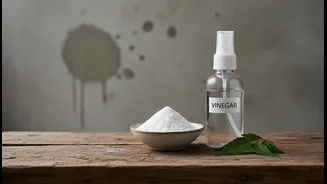
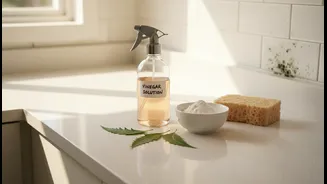
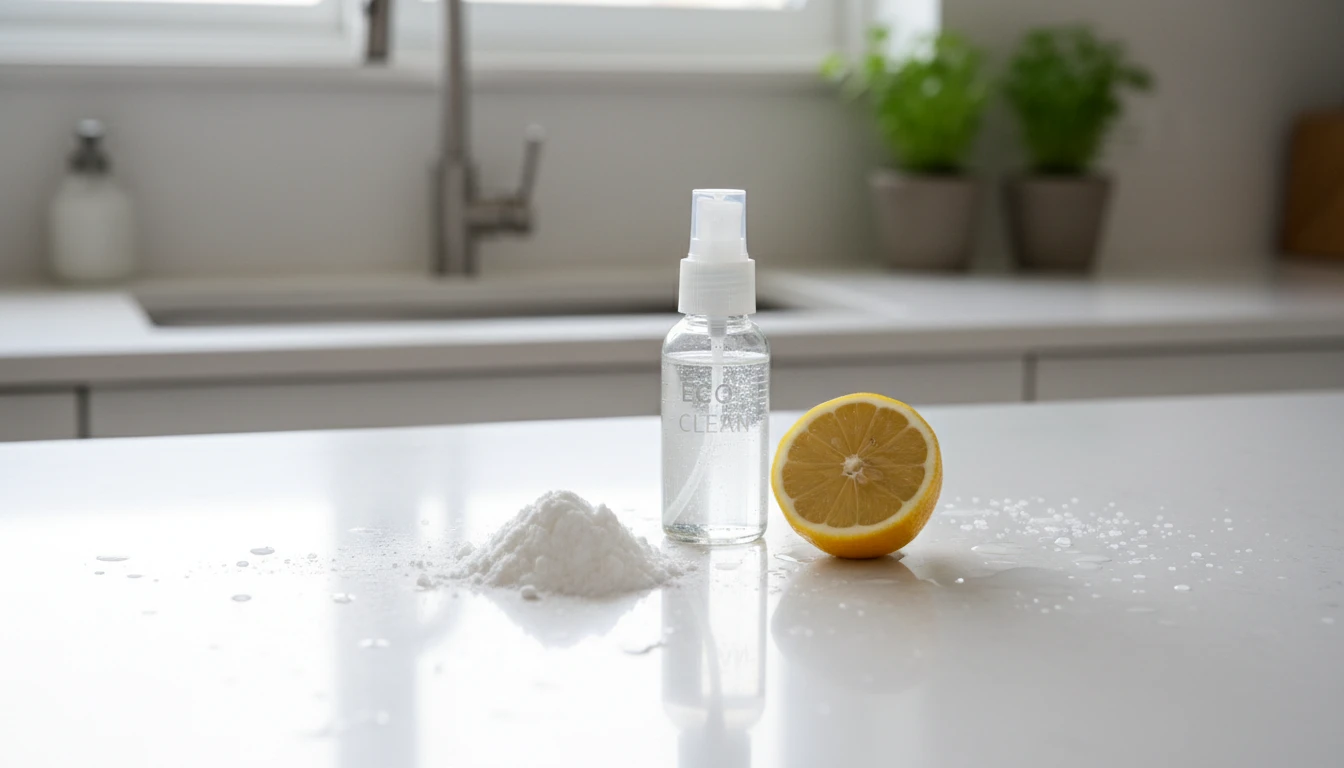
Before tackling specific problems, let's assemble your toolkit. You don't need a host of expensive products; a few kitchen staples can be surprisingly effective. White vinegar's acidity makes it a powerful agent against many mould species and bacteria. Baking soda is a gentle abrasive that also excels at absorbing moisture and neutralising odours. Lemons offer natural bleaching properties and a fresh scent, while essential oils like tea tree, eucalyptus, and neem not only smell pleasant but also possess antifungal and antibacterial qualities perfect for the damp monsoon environment.
Tackling Musty Smells and Dampness
That familiar musty, damp smell is one of the first signs that monsoon humidity has settled in. It often gets trapped in cupboards, wardrobes, and rooms with poor ventilation. To combat this, place small bowls of baking soda or activated charcoal in these areas; they work wonders by absorbing excess moisture and odours. To freshen up musty wardrobes, you can also place small cloth pouches filled with dried neem leaves. For carpets, a generous sprinkle of baking soda left overnight before vacuuming can help lift trapped odours. Remember, these are management solutions. The key to preventing the smell is to improve ventilation by opening windows during dry spells and using fans to circulate air.
The Fight Against Mould and Mildew
Seeing black or green spots appear on walls, tile grout, or even leather items is a common monsoon woe. For small, surface-level mould, natural ingredients can be effective. Spray undiluted white vinegar directly onto the affected area, let it sit for about an hour, and then scrub it off. Studies suggest white vinegar can kill a significant percentage of mould spores. Tea tree oil mixed with water is another potent antifungal spray. However, it's crucial to set expectations here. These DIY solutions work best on non-porous surfaces and for minor issues. If you have extensive mould covering an area larger than 10 square feet, or if it's on porous surfaces like drywall, it's best to call a professional. Natural cleaners can manage a small outbreak, but they can't resolve a deep-rooted infestation.
Keeping Unwanted Monsoon Guests Away
Rain forces many pests like ants, cockroaches, and flies to seek shelter indoors. Thankfully, nature offers repellents. Wiping kitchen counters with a solution of equal parts water and white vinegar erases the scent trails that ants follow. The strong smell of cinnamon powder sprinkled across entry points can also deter them. For cockroaches, bay leaves or camphor placed in dark corners and near drains can be effective repellents. A DIY spray made from neem oil and a few drops of liquid soap can be used on plants and around windows to ward off a variety of pests, as it interferes with their ability to feed and reproduce. These methods are great for prevention and deterring casual intruders, but may not be sufficient for a full-blown infestation, which might require stronger measures.