






The Paradox of Flood and Scarcity
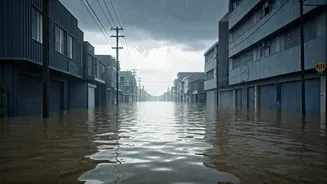
Cities like Mumbai, Bengaluru, and Chennai regularly dominate headlines for two contradictory reasons. During the monsoon, intense downpours overwhelm decades-old drainage systems, leading to widespread flooding that paralyses life and damages property.
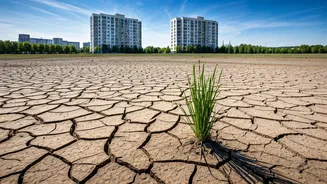
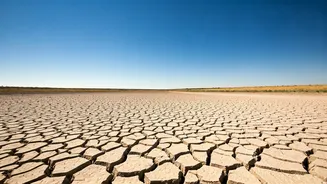
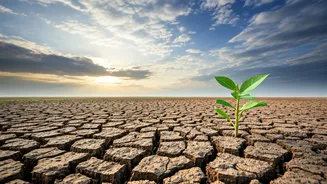
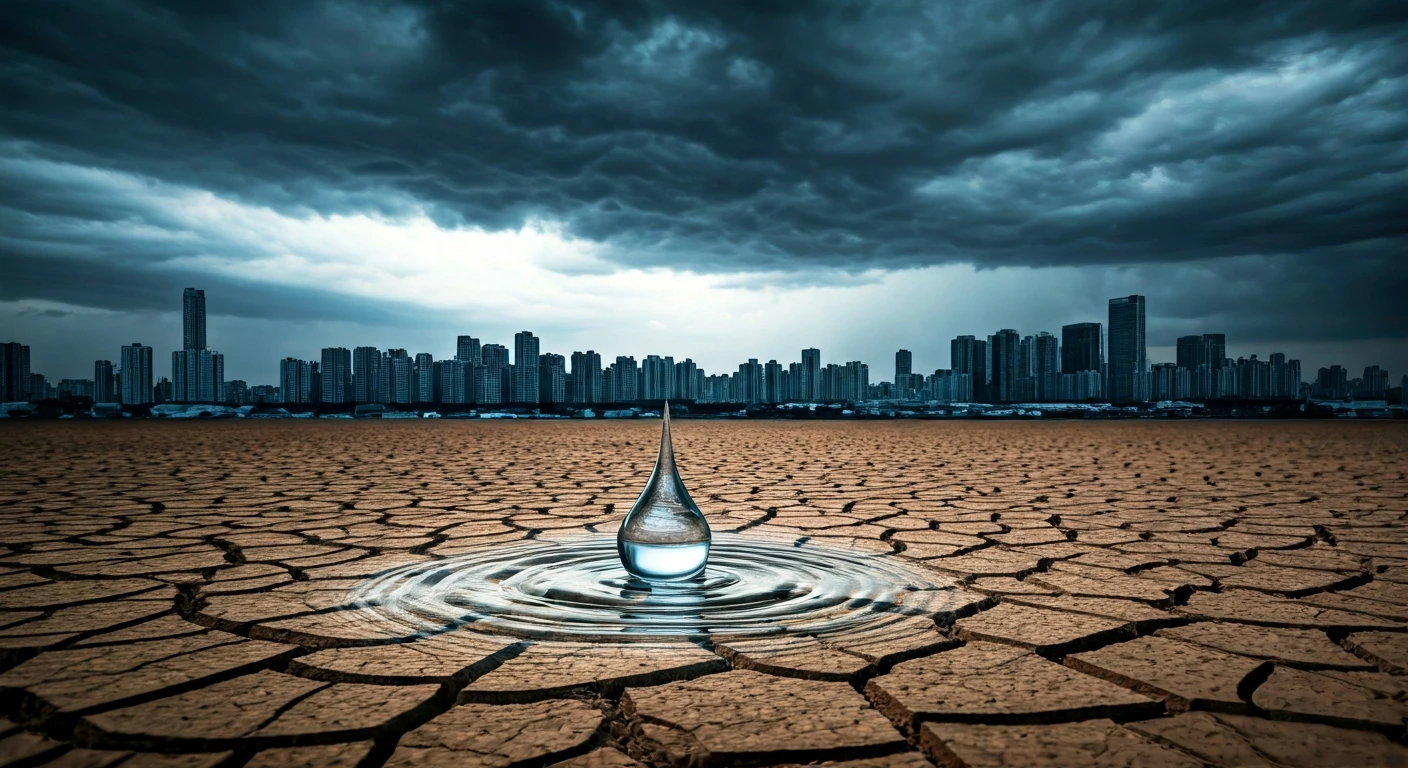
Yet, in the summer, these same cities grapple with severe water shortages, with reservoirs dwindling and groundwater levels plummeting. This isn't a freak occurrence; it's a systemic failure. The problem is that flooding and scarcity are treated as separate issues when they are two sides of the same coin: a profound failure to manage rainwater. Every litre of water that floods a street is a litre that has been lost, failing to replenish the aquifers that are meant to sustain the city through dry spells.
Why Old Rainfall Metrics Fail Our Cities
For decades, rainfall has been measured on a broad, regional scale, primarily for agricultural purposes. A 'normal' monsoon for a state was considered a success. But this macro view masks dangerous realities at the city level. Unplanned urbanisation has created concrete jungles that prevent rainwater from percolating into the ground. Natural water bodies and wetlands, which once acted as sponges, have been encroached upon and built over. The result is massive surface runoff that causes floods. An 'urban rainfall deficit', therefore, isn't just about how much rain falls, but about how little of it is effectively captured and stored within the city's boundaries. A city can experience a technical surplus of rain during a storm while simultaneously running a long-term deficit in its groundwater reserves.
The High Cost of Inaction
The consequences of not tracking and managing this deficit are severe and costly. Economically, cities suffer from disruptions to business, damage to critical infrastructure, and the immense financial burden of water tanker mafias and expensive, energy-intensive desalination projects. According to NITI Aayog, persistent water crises could lead to a significant loss in the country's GDP. Socially, the burden falls heaviest on the most vulnerable. Women and girls often spend hours securing water, impacting their education and employment. Public health suffers as waterborne diseases spike due to contaminated supplies and poor sanitation during both floods and shortages. The over-extraction of groundwater, a direct result of this mismanagement, threatens the long-term water security of major hubs like Delhi and Bengaluru.
Smarter Data for Smarter Cities
The solution begins with better data. Tracking rainfall at a hyper-local, block-by-block level allows urban planners to understand the unique hydrology of a city. This data is the foundation for an Integrated Urban Water Management (IUWM) approach, which views supply, wastewater, and stormwater as a single, interconnected system. Technologies like IoT sensors and AI-powered predictive analytics can monitor water levels, predict blockages, and optimise distribution in real-time. When cities know precisely where rain is falling, where it is pooling, and where it is needed most, they can move from a reactive to a proactive model of governance.
From Crisis to Resource Management
Armed with accurate data, cities can implement a host of solutions that turn rainwater from a threat into a valuable resource. Mandating rainwater harvesting for all new buildings can capture millions of litres at the source. Reviving and protecting urban lakes, ponds, and wetlands restores the city's natural 'sponges'. Designing 'sponge cities' with porous pavements and green roofs allows water to be absorbed rather than running off. Furthermore, treating and reusing wastewater for non-potable purposes like industry and landscaping can drastically reduce the strain on fresh water supplies, as states like Haryana and Karnataka are beginning to demonstrate. These are not just environmental nice-to-haves; they are essential infrastructure investments for a resilient future.