





Monitor Weather and Official Alerts
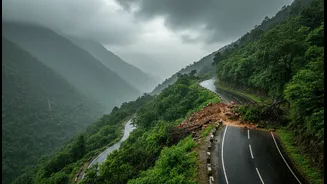
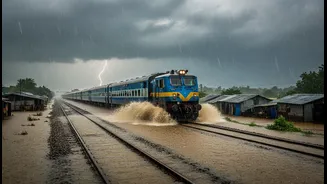
Before and during your trip, make checking the weather forecast a daily habit. The India Meteorological Department (IMD) provides regular updates on rainfall intensity and movement. Heavy rain can lead to sudden road closures, landslides, and train delays.
Several government apps like 'Sachet', 'Damini', and 'Sidilu' provide near real-time disaster warnings, weather forecasts, and lightning alerts for specific areas. If authorities issue warnings for your route, it is safest to postpone non-essential travel until conditions improve.
Prioritise Road Safety at All Times
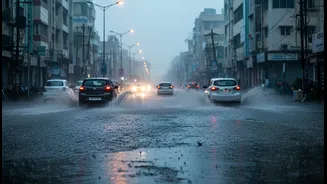
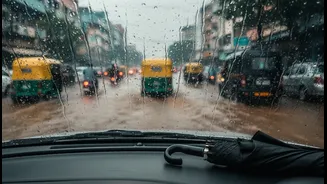
Wet roads dramatically increase braking distances and the risk of skidding. Reduce your speed by at least 25-30% and double your following distance from the vehicle ahead. Always use your low-beam headlights in heavy rain for visibility, as high beams reflect off the rain and can reduce your own vision. One of the biggest dangers is driving through waterlogged streets. As a rule, if the water is deeper than your ankle or the bottom of your car's bumper, do not attempt to cross. Driving through deep water can cause your vehicle to stall and lead to catastrophic engine damage if you try to restart it. Also, be extra cautious of pedestrians, who may have reduced visibility due to umbrellas.
Guard Against Monsoon Illnesses
The monsoon season sees a spike in water-borne and vector-borne diseases. Mosquitoes, which transmit diseases like dengue, malaria, and chikungunya, breed in stagnant water. Use mosquito repellent, wear long-sleeved clothing, and use mosquito nets at night. Water contamination is another major risk, leading to illnesses like typhoid, cholera, and hepatitis A. To stay safe, drink only bottled, boiled, or properly filtered water and completely avoid street food, raw salads, and pre-cut fruit. Always opt for freshly prepared, hot meals. Maintaining personal hygiene by washing your hands frequently is also crucial.
Pack a Monsoon-Ready Kit
Your packing list needs a few monsoon-specific additions. Carry a waterproof bag or ziplock pouches to protect your electronic devices and important documents. A power bank is essential, as power cuts can be common and you'll need your phone for updates and emergencies. Pack a compact umbrella and a quick-drying raincoat. Include a basic first-aid kit with antiseptic, bandages, and medications for common ailments like fever and diarrhoea. It's also wise to have waterproof footwear with a good grip to avoid slipping on wet, muddy surfaces. A change of clothes in your cabin bag can be a lifesaver if your luggage gets delayed or you get stranded.
Exercise Caution Around Water Bodies and Electricals
The beauty of overflowing rivers, waterfalls, and lakes during monsoon can be deceptive. Authorities often issue warnings and prohibit entry to these areas due to the risk of flash floods and strong currents. A sudden rise in water levels can occur without warning. It is crucial to stay away from these water bodies, especially during and after heavy rainfall. Also, be wary of electrical hazards. Never touch switches with wet hands, and stay clear of fallen power lines and electric poles. During thunderstorms, it's best to stay indoors and disconnect sensitive electronic appliances to protect them from power surges.