
Why Yoga Is a Game-Changer for Teens
Life can feel overwhelming with academic pressure, social expectations, and the constant buzz of notifications. Yoga provides a quiet space to reset. It's not about complex poses or being super flexible; it's a practice that connects your mind, body,
and breath. Studies and experts suggest that a regular yoga practice can help calm the nervous system, decrease stress hormones, and improve your ability to concentrate. Think of it as your personal toolkit for navigating the ups and downs of daily life, helping you build both mental clarity and emotional resilience.
The Reset Button: Child's Pose (Balasana)
When everything feels like too much, this is the pose to turn to. Kneel on your mat, bring your big toes together, and sit back on your heels. You can have your knees together or wide apart. Fold forward, letting your torso rest between or on top of your thighs. Rest your forehead on the floor and let your arms relax alongside your body or stretch them out in front of you. Child's Pose is incredibly calming for the mind and gently stretches your back and hips. It’s a moment of quiet surrender, allowing you to tune out distractions and just breathe.
The Gentle Spine Stretch: Cat-Cow Pose (Marjaryasana-Bitilasana)
This simple, flowing movement is perfect for releasing tension in your back and shoulders, areas that often get tight from studying or screen time. Start on your hands and knees, with your wrists under your shoulders and knees under your hips. As you inhale, drop your belly, lift your chest and tailbone, and look forward (Cow Pose). As you exhale, round your spine toward the ceiling, tuck your chin to your chest, and press into your hands (Cat Pose). Moving between these two poses warms up the spine and encourages a connection between your breath and movement.
The Focus Finder: Tree Pose (Vrikshasana)
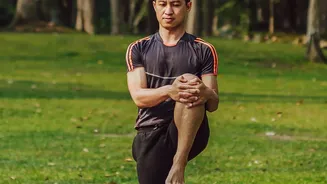
Improving concentration is a key benefit of yoga, and balancing poses are a fantastic way to train your focus. Stand tall and shift your weight onto your left foot. Place the sole of your right foot on your inner left ankle, calf, or thigh—avoiding the knee joint. Bring your hands to your chest in a prayer position. Find a spot on the wall in front of you to gaze at to help you stay balanced. Hold for a few deep breaths, then switch sides. This pose not only improves physical balance but also helps quiet the mental chatter, making it easier to concentrate.
The Calming Fold: Seated Forward Bend (Paschimottanasana)
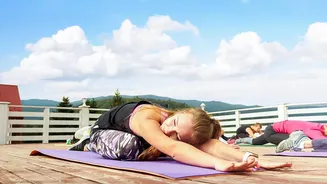
A great way to stretch your hamstrings and lower back, this pose also has a wonderfully calming effect on the nervous system. Sit on the floor with your legs extended straight in front of you. You can keep a slight bend in your knees. Inhale to lengthen your spine, and as you exhale, gently fold forward from your hips. Let your hands rest wherever they reach—your shins, ankles, or feet. Don’t worry about how far you can go; the goal is to feel a gentle release. This pose encourages introspection and helps to relieve mild stress and anxiety.
The Effortless Relaxer: Legs-Up-the-Wall Pose (Viparita Karani)
This is one of the most relaxing and restorative poses in yoga. Simply sit on the floor with one side of your body against a wall. Gently swing your legs up the wall as you lie back on the floor. Your sitting bones should be as close to the wall as is comfortable. Let your arms rest by your sides with palms facing up. Close your eyes and breathe deeply. This pose is excellent for relieving tired legs and feet, calming the mind, and reducing stress. It's a perfect way to unwind after a long day of school and activities.