




The Logic of Prevention
In property management, reactive maintenance—fixing things only after they break—is a costly strategy. An emergency repair for a burst pipe or a faulty roof can cost significantly more than a scheduled fix, not including the potential for secondary damage
to the property. Studies show that routine upkeep helps preserve the condition of a home’s most important components. For landlords in India, this means staying ahead of issues caused by everything from heavy monsoons to daily wear and tear. The Model Tenancy Act, 2021, outlines that landlords are responsible for major structural repairs, including wiring, plumbing, and roofing, making preventative care a legal and financial imperative.
Quarterly & Bi-Annual Checks
A structured schedule ensures nothing is overlooked. Every three to six months, plan for a more thorough inspection. This is the time to service air conditioning units, especially before the intense summer heat. Check all water purifiers and replace filters as needed. Inspect furniture and fixtures for stability and wear. This is also a good time for scheduled pest control services, which are crucial for preventing infestations that can cause significant damage if left unchecked. These regular walk-throughs help you spot developing issues, like minor cracks in walls or ceilings, before they become serious structural problems. Remember to provide tenants with adequate notice, typically 24 to 48 hours, before any inspection.
The Pre-Monsoon Priority List
For any property in India, preparing for the monsoon season is non-negotiable. Well before the rains begin, your focus should turn to water-proofing. Inspect the roof for any damaged or missing tiles and ensure all seals are intact. Clean all gutters and downspouts to prevent blockages, which can cause water to overflow and damage the building's foundation or exterior walls. Check that all windows and exterior doors have proper sealing to prevent drafts and water ingress. Any cracks on exterior walls should be sealed immediately to stop water seepage, a common cause of dampness and mould growth inside the home.
The Annual Overhaul
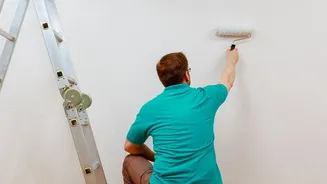
Once a year, set aside time for major system checks and deeper maintenance. This includes having a licensed professional inspect the electrical systems, including circuit breakers and wiring, to ensure they are safe and functional. Flush the water heater to remove sediment buildup, which improves efficiency and extends its lifespan. Inspect all major appliances provided with the rental to confirm they are in good working order. This is also the ideal time to address cosmetic issues like peeling paint or refreshing grout in bathrooms, which keeps the property looking its best and helps retain high-quality tenants. A well-maintained property not only commands better rent but also shows tenants you care about their living environment.
Engaging Your Tenants
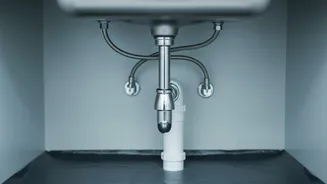
Your tenants are your greatest allies in property maintenance. While landlords are responsible for major repairs, tenants are generally expected to handle minor day-to-day upkeep and report issues promptly. Foster a good relationship and create a clear, simple process for them to report problems like a dripping tap or slow drain. Addressing these small issues quickly prevents them from escalating. A tenant who knows their concerns will be heard and addressed is more likely to take good care of the property and inform you of potential problems early, saving you money and protecting your investment in the long run.