
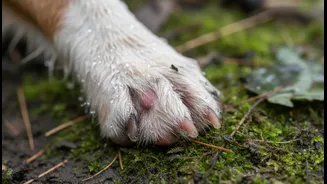


Understanding Pododermatitis and Fungal Infections
Pododermatitis is the medical term for inflammation of the skin on the paws. It's not a single disease, but rather a clinical sign that can have many underlying causes, from allergies to foreign bodies. Fungal infections are a frequent complication, and
sometimes the primary cause, of this uncomfortable condition. The most common culprit is a yeast called Malassezia, which normally lives on a dog's skin in small amounts. When conditions are right, this yeast can multiply out of control, leading to what's known as yeast dermatitis. This overgrowth is what turns a simple case of wet paws into a painful problem.
The Paw: A Perfect Environment for Fungus
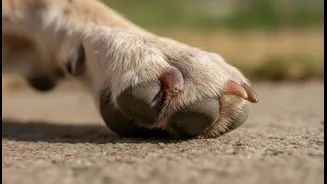
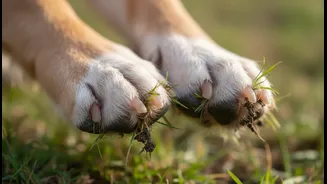
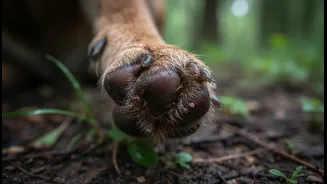
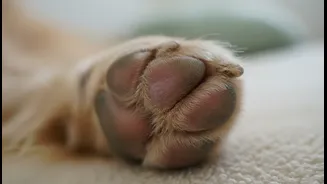
To understand why paws are so susceptible, you have to look at their anatomy. The spaces between the toes and pads, known as interdigital spaces, are tight and have poor airflow. This area is naturally warm and can easily trap moisture, creating an ideal, humid incubator for fungi to thrive. Breeds with hairy feet or prominent skin folds, like Spaniels and Bulldogs, are even more at risk because their conformation further reduces air circulation and traps debris and moisture. Constant licking, often triggered by allergies, introduces more moisture and damages the skin, creating a vicious cycle of irritation and infection.
How Moisture Triggers the Problem
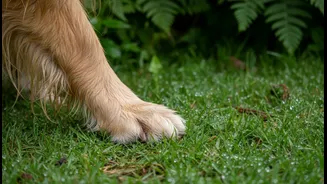
Fungi, like yeast, flourish in warm, damp environments. When a dog's paws remain wet for extended periods—whether from swimming, walking through damp grass, recent baths, or even excessive licking—the skin softens and its natural defensive barrier is weakened. This allows the normally harmless yeast on the skin to proliferate rapidly. Other underlying issues like environmental or food allergies can exacerbate the problem by causing initial inflammation and itchiness, which leads the dog to lick, thereby adding the moisture needed for a full-blown fungal infection to erupt.
Recognising the Telltale Signs
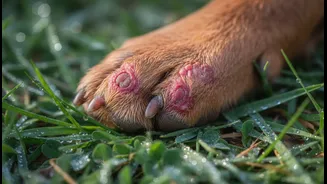
A dog suffering from fungal pododermatitis will show several distinct signs of discomfort. One of the first things owners often notice is obsessive licking or chewing of the paws. Upon closer inspection, the skin between the toes and pads may appear red, swollen, and inflamed. You might also notice a distinct, musty or cheesy odor coming from the feet. In many cases, especially with light-colored dogs, the fur on the paws will have a reddish-brown stain from the enzymes in their saliva. As the infection progresses, you might see scaly skin, hair loss, or even a greasy discharge. The pain and irritation can become so severe that the dog may limp or be reluctant to have their paws touched.
Prevention and Management Strategies
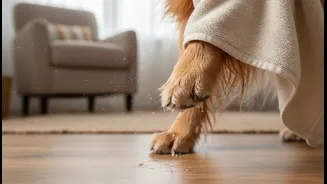
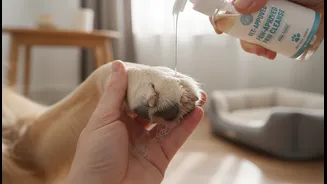
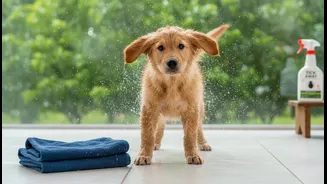
The best defense is a good offense, and that means keeping your dog's paws as clean and dry as possible. Always dry your dog's feet thoroughly after walks in the rain, swimming, or baths, paying special attention to the areas between the toes. Keeping the hair between the paw pads trimmed short can significantly improve airflow and reduce moisture buildup. For dogs prone to allergies, working with a veterinarian to manage the underlying cause is crucial to breaking the lick-itch cycle. Regular paw inspections can help you catch the early signs of irritation before they escalate into a serious infection.
When to See a Veterinarian
While good hygiene at home is essential, self-diagnosing and treating paw issues can be risky. If you notice any of the signs of pododermatitis, it's important to consult a veterinarian. A vet can perform a simple test, like skin cytology, to confirm if a fungal or bacterial infection is present and determine the best course of action. Treatment often involves topical antifungal creams, medicated wipes, or special shampoos. In more severe cases, oral medications may be necessary to get the infection under control. Your vet can also help identify and treat any underlying allergies or conditions that are contributing to the problem.