


The Green Superfood Hiding in Plain Sight
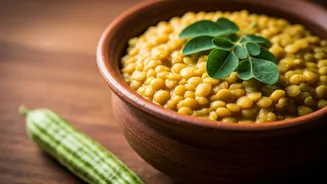
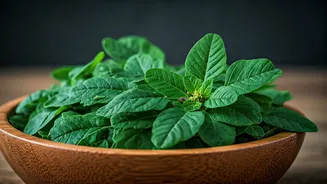
Moringa oleifera, known across India as ‘shevga’, ‘murungai’, or ‘sainjan’, is hardly a new discovery. For generations, its leaves, pods (drumsticks), and flowers have been staples in regional cuisines, from sambar in the south to saags in the north.
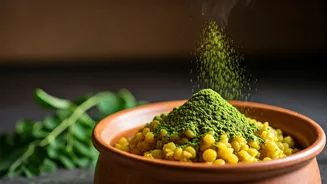
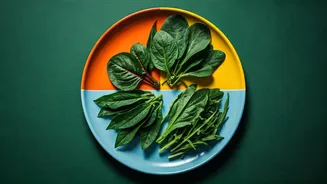
While the fresh leaves are fantastic, the powdered form offers a concentrated burst of nutrition that is easy to store and use. Moringa leaf powder is celebrated for its dense nutritional profile. It is a rich source of vitamins A and C, calcium, potassium, and protein. Most notably for many in India, it is packed with iron. This makes it a powerful, plant-based tool in addressing iron deficiency, a widespread health concern.
Why Your Dal Is the Perfect Partner
The genius of this health hack lies in its simplicity. You don’t need to learn a new recipe or acquire a taste for something completely foreign. Dal is already a daily habit. By adding moringa powder to it, you are seamlessly integrating a potent nutritional supplement into your existing routine. This process, often called 'food fortification', is one of the most effective public health strategies for improving nutrition. Dal’s robust, earthy flavours are also an excellent canvas for moringa powder, which has a distinct green, spinach-like taste. The spices and tadka in a well-made dal can easily harmonise with moringa’s profile, making the addition almost unnoticeable to some, or a pleasant, earthy undertone to others. Furthermore, pairing iron-rich moringa with dal, which is a source of plant-based protein, creates a more nutritionally complete meal.
The Right Way to Add It
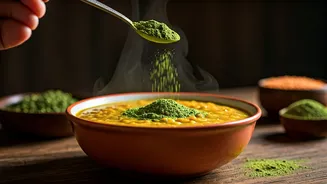
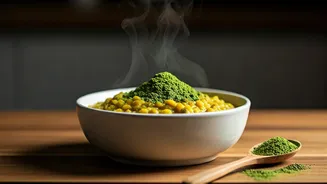
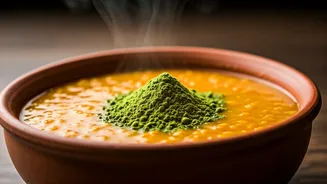
Timing and quantity are key to getting this right. To preserve the maximum amount of nutrients, especially heat-sensitive vitamins, you should add the moringa powder at the very end of the cooking process. Once your dal is cooked and you’ve turned off the heat, simply stir in the powder until it is fully incorporated. Letting it sit for a minute or two before serving will allow the flavours to meld. As for quantity, start small. Begin with just half a teaspoon of moringa powder per serving of dal. This will allow your palate to adjust to the taste. You can gradually increase it to a full teaspoon per serving as you get used to it. A little goes a long way; there’s no need to overdo it.
What to Expect: Taste, Colour, and Texture
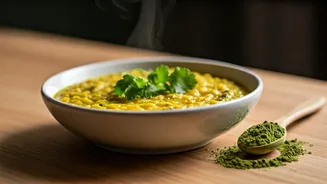
Let’s be clear: moringa powder will change your dal. It will impart a deeper, greenish-brown hue, especially in lighter dals like moong or masoor. The taste is often described as earthy and grassy, similar to spinach or matcha. In a flavourful toor dal or a spicy panchratna dal, this taste will be subtle. In a simpler dal, it might be more pronounced. If you are sensitive to the taste, start by adding it to dals that have stronger companion flavours, like tomato, ginger, garlic, and a generous tadka. The powder dissolves fairly well, but it can add a very slight thickness or grittiness to the dal’s texture if too much is used. This is another reason to start with a small amount and ensure it’s stirred in thoroughly.
A Few Important Considerations
While moringa is a nutritional gift, quality matters. Purchase your moringa powder from a reputable brand that uses a clean, hygienic drying process to ensure it is free from contaminants. Look for a vibrant green powder, as a brownish colour can indicate oxidation and a loss of nutrients. While generally safe for most people, consuming moringa in very large quantities can have a laxative effect. Stick to the recommended one or two teaspoons a day. Pregnant and breastfeeding women, and individuals with existing health conditions, should always consult their doctor before adding any new supplement to their diet, including moringa powder.