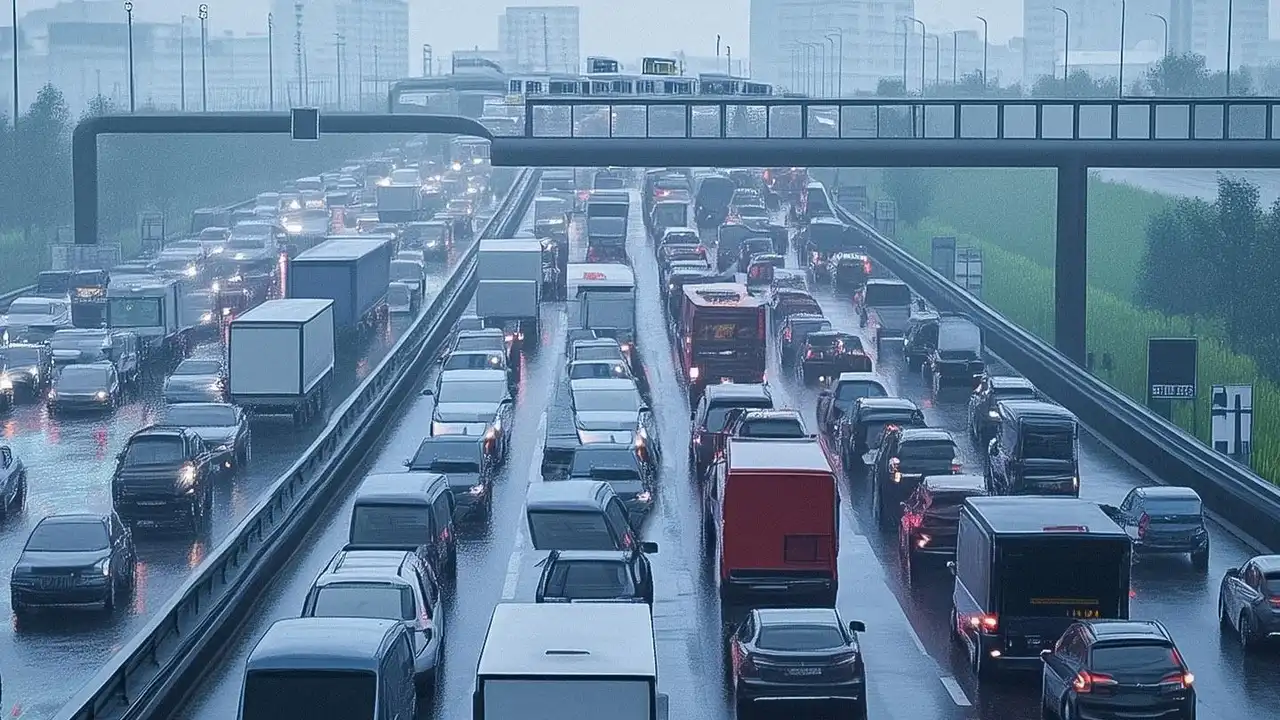


As winter approaches, Delhi is bracing for its annual battle with air pollution. Starting November 1, 2026, a new set of rules will restrict vehicle entry into the city, impacting thousands of daily commuters from neighbouring NCR towns.
The Core of the New Rule
To curb vehicular
emissions, a major contributor to winter smog, Delhi will prohibit the entry of vehicles registered outside the capital that do not meet the Bharat Stage VI (BS-VI) emission standard. This restriction will be in effect from November 1, 2026, until January 31, 2027, as part of the city's comprehensive Winter Action Plan. The headline rule targets older, more polluting vehicles, specifically petrol and diesel cars, that are registered in neighbouring states but travel into Delhi for work or other purposes. This measure is distinct from, but complementary to, the Graded Response Action Plan (GRAP), which imposes separate restrictions based on real-time air quality levels.
Which Vehicles Are Banned?
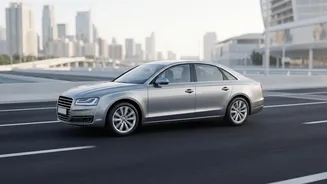
The primary focus of this three-month ban is on vehicles with out-of-state registration plates that are not BS-VI compliant. This includes a vast number of private cars and commercial vehicles. Specifically, commercial goods vehicles and buses that are BS-IV or older will be barred from entering. For private vehicles registered outside Delhi, any car that is BS-V or below (including the common BS-IV and BS-III models) will not be permitted to enter the city. Authorities estimate that over a million vehicles in the surrounding NCR cities like Gurugram, Noida, Ghaziabad, and Faridabad could be affected by this directive.
Are There Any Exemptions?
Yes, the government has provided several key exemptions to the rule. The ban does not apply to any vehicle, regardless of its registration state or BS standard, that runs on cleaner fuels like CNG or is an electric vehicle (EV). Furthermore, the restriction specifically targets vehicles registered outside the capital; vehicles with a Delhi registration plate are not covered by this particular entry ban, though they are still subject to other age-related rules (like the 10-year ban on diesel and 15-year ban on petrol vehicles) and GRAP restrictions. Emergency service vehicles, such as ambulances and fire tenders, are also exempt.
How Will This Be Enforced and What Are the Penalties?
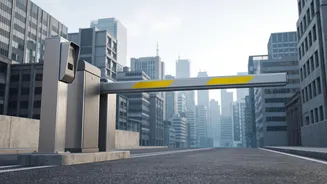
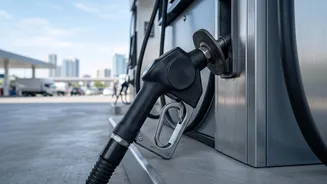
Enforcement will be strengthened at all major entry points to Delhi. Authorities plan to use a combination of physical checks by traffic police and technology, including AI-powered Automatic Number Plate Recognition (ANPR) cameras that can flag non-compliant vehicles. While specific penalties for violating this particular entry ban have not been detailed, similar violations under GRAP stages can lead to a hefty fine of ₹20,000 under the Motor Vehicles Act. Additionally, a strict 'No PUC, No Fuel' policy will be enforced at petrol pumps, where vehicles without a valid Pollution Under Control Certificate will be denied fuel.
How to Check Your Vehicle's BS Standard
The easiest way for commuters to check their vehicle's emission norm is by using the government's Parivahan Sewa website or the mParivahan app. By entering the vehicle's registration number, you can access its details, which will include the 'Emission Norms' field clearly stating if it is BS-III, BS-IV, or BS_VI. This information is also typically mentioned on the vehicle's Registration Certificate (RC), though the format may vary. For BS_VI vehicles, a green sticker on the windscreen is another indicator, but relying on the official Vahan database is the most accurate method.