




The Rise of Grounded Living
There’s a clear shift happening in how we want to live. After years of being told to aspire to formal dining rooms and untouchable sofas, we’re collectively craving comfort, connection, and simplicity. The trend of low seating — think deep, low-profile
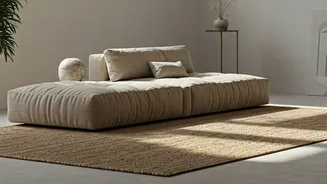
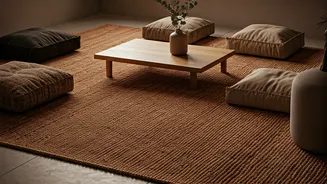
sofas, sprawling modular sectionals, and generous floor cushions — is a direct response to this desire. It’s a style that encourages lounging, conversation, and a more informal, communal way of being. This isn’t about perching politely; it’s about sinking in and staying awhile. By lowering our physical perspective, we psychologically shift into a more relaxed state, making our homes true sanctuaries from the outside world. This move also subtly nods to traditional Indian baithaks and diwans, reinterpreting a familiar cultural comfort for the modern home.
The Magic of the Jute Rug
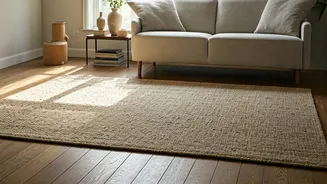
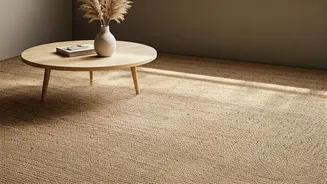
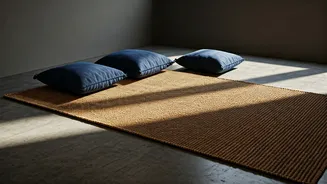
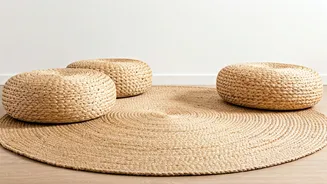
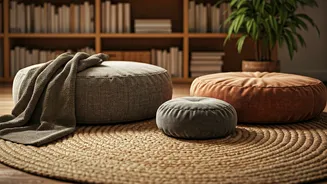
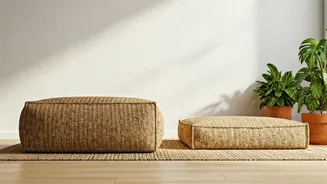
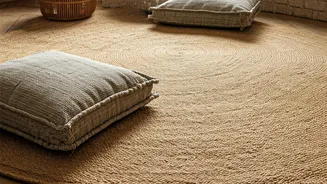
At the heart of this trend is the humble jute rug. It’s the perfect foundation for the low-seating look for several reasons. First, its natural, earthy texture provides a visual and tactile warmth that prevents a space from feeling cold or sparse. Jute is a great neutral; its golden-brown tones complement nearly any colour palette, from minimalist whites to vibrant jewel tones. It’s also incredibly durable and, compared to wool or silk, relatively affordable, making it a practical choice for high-traffic living areas. Its organic, slightly imperfect weave adds a layer of artisanal character that manufactured rugs often lack. A large jute rug can instantly define a seating area, unifying disparate elements like floor cushions, poufs, and a low sofa into a cohesive, inviting zone.
How to Master the Look
Adopting this style is more than just throwing some cushions on the floor. A successful low-seating arrangement feels intentional, comfortable, and balanced. The goal is to create a space that looks effortlessly cool, not like you’re in the middle of moving. It requires a thoughtful approach to layering textures, balancing proportions, and ensuring the room remains functional for everyday life. Here’s how to get it right without sacrificing comfort or style.
Start with a Low-Profile Anchor
The key anchor piece is usually the sofa. Look for designs described as 'low-profile,' where the frame sits closer to the ground. Modular sofas are an excellent choice as they offer flexibility and enhance the sprawling, lounge-y feel. Brands like West Elm, Urban Ladder, and even bespoke furniture makers are offering more of these styles. A 'leggy' sofa won’t work here — you want something that feels visually heavy and grounded. If a new sofa isn't an option, you can create a similar effect with a low platform bed frame repurposed as a daybed, piled high with cushions.
Layer for Luxurious Comfort
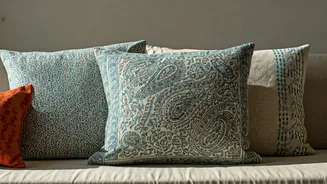
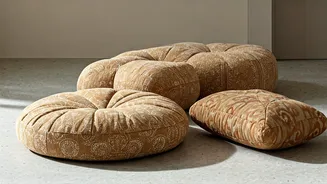
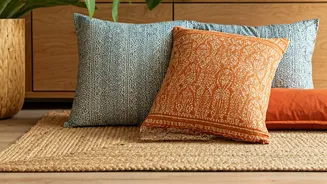
Comfort is non-negotiable. A jute rug on its own can be coarse, so layering is essential. Consider placing a smaller, softer rug (like a vintage kilim or a plush cotton dhurrie) on top of the jute to add colour and comfort underfoot. Then, pile on the cushions. Use a mix of large, sturdy floor cushions that provide real support, smaller decorative pillows for backrest, and cylindrical bolsters. Vary the textures: think velvet, linen, chunky knits, and faux fur. A few oversized poufs or leather ottomans can also serve as flexible seating or side tables, adding another layer of function and style.
Balance Highs with Lows
A common mistake is making everything low, which can cause the room to feel flat and compressed. The secret to a well-designed space is balance. Contrast your low seating with vertical elements to draw the eye upward. A tall, slender floor lamp arching over the seating area, a collection of artwork hung slightly higher on the wall, or a statement potted plant like a Fiddle Leaf Fig or Bird of Paradise can add the necessary height and drama. This interplay between high and low creates a dynamic, visually interesting room that feels thoughtfully curated, not accidental.