

Sikkim, a jewel in the lap of the Himalayas, offers breathtaking landscapes year-round. But to truly capture its natural splendour, from blooming valleys to razor-sharp mountain peaks, timing is everything. Here’s your guide to the two best seasons.
The Spring Bloom: March to May
Spring
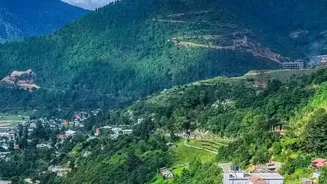
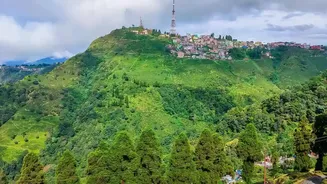
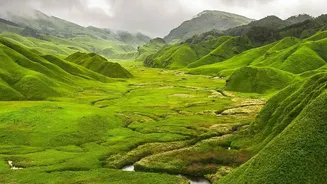
is when Sikkim awakens from winter and bursts into a riot of colour. This season is most famous for the blooming of rhododendrons, which carpet the valleys and hillsides in vibrant shades of red, pink, and white. The prime destination to witness this spectacle is the Yumthang Valley in North Sikkim, often called the 'Valley of Flowers'. The weather during these months is generally pleasant, with temperatures ranging from 5°C to 25°C, making it ideal for sightseeing and outdoor activities. After the winter snow melts, the skies are relatively clear, especially in the mornings, offering good views of the Himalayan range. This is also a popular time for trekking, as many high-altitude trails like the Goecha La trek become accessible.
What to Expect in Spring
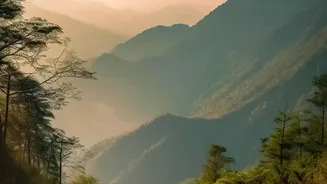
From March, the weather starts to warm up, though higher altitudes like Lachung and Yumthang can still be quite cold, with snow patches remaining into April. By April and May, the floral bloom is at its peak. While morning views are often clear, clouds can build up in the afternoons, especially towards the end of May. This period is a peak tourist season, attracting nature lovers, photographers, and families, so it's advisable to book accommodation and travel in advance. Key destinations like Gangtok, Pelling, Ravangla, and North Sikkim are all bustling with activity.
Crystal-Clear Autumn: October to December
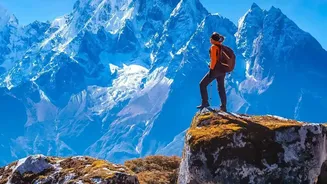
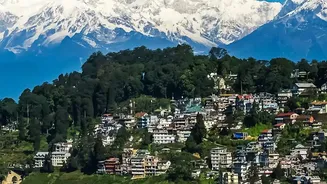
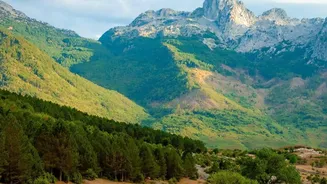
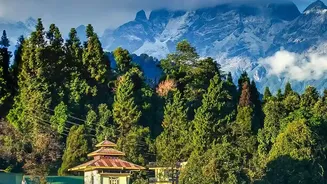
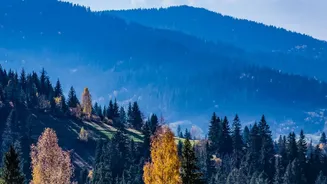
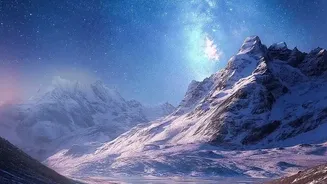
If your primary goal is to witness the majestic Kanchenjunga and its surrounding peaks in their full glory, autumn is unparalleled. The monsoon rains from June to September wash the atmosphere clean, leaving behind crisp, dry air and the clearest skies of the year. This post-monsoon clarity provides stunning, uninterrupted panoramic views of the Himalayas, especially during sunrise when the peaks are bathed in golden light. The weather is comfortable, with mild, sunny days and cool, crisp evenings. Temperatures typically range from 5°C to 15°C. This is also a festive season, with major celebrations like Durga Puja and Diwali adding a vibrant cultural layer to your visit.
Autumn and Early Winter Highlights
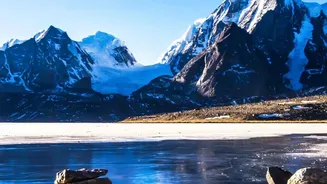
October and November are considered the absolute best months for mountain views from vantage points like Pelling and Tashi Viewpoint in Gangtok. All major routes, including those to high-altitude destinations like Tsomgo Lake, Gurudongmar Lake, and Zero Point, are generally open and stable after the monsoon. As December sets in, winter begins to take hold. While the skies often remain clear, temperatures drop significantly, with nights falling below freezing. This is a great time for those seeking solitude and the chance to see the first snowfalls at higher elevations without the peak season crowds of October.
Choosing Your Perfect Season
Your choice between spring and autumn depends on your priorities. For flower enthusiasts and those who enjoy lush, green landscapes and trekking through blooming forests, March to May is the ideal window. If your heart is set on photography and witnessing the awe-inspiring, sharp profiles of the world's third-highest peak, then the crystal-clear air of October and November is your best bet. Spring offers vibrant life and colour, while autumn provides unparalleled clarity and grandeur. Both seasons offer pleasant weather for exploring, but autumn has a distinct edge for mountain visibility.
A Note on the Other Months
The monsoon season, from roughly June to September, is generally best avoided. Heavy and persistent rains create a high risk of landslides, which can lead to road closures and significant travel disruptions, particularly on the route to North Sikkim. While the landscape is intensely green, mountain views are almost entirely obscured by cloud cover. The deep winter months of January and February are extremely cold, with heavy snowfall closing access to many high-altitude areas like Yumthang Valley and Gurudongmar Lake, making them suitable only for travellers specifically seeking snow and prepared for freezing temperatures.