






The Hidden Cause of Wool Damage
The primary enemy of a smooth woollen garment is friction. When wool rubs against a rougher surface, its delicate fibres can break, loosen, and tangle, forming small, unsightly balls known as pills. This process, called pilling, is a natural result of wear,
but it's significantly accelerated by constant abrasion. High-friction areas like under the arms, at the cuffs, and along the sides are often the first to show signs of wear. However, the fabrics you layer with your wool play a major role. A coarse jacket, a rough-textured bag, or even a pair of heavy denim jeans can act like a fine-grit sandpaper against your knitwear, causing damage throughout the day.
Your Wool's Best Friends: Soft Fabrics
To protect your woollens, choose companion fabrics with smooth, low-friction surfaces. These materials glide over the wool rather than snagging its fibres. Excellent choices include silk, which is a naturally smooth protein fibre, and modern eco-friendly options like Tencel (lyocell) and modal. These fabrics are known for their silky feel, breathability, and gentle drape. High-quality, long-staple cottons, such as Pima or Egyptian cotton, are also good options because their long fibres create a smoother yarn with fewer ends to cause friction. Even other fine wools, like merino or cashmere, can be layered together, as their textures are similarly delicate. The goal is to create an ensemble where every layer is kind to the others.
Fabrics to Avoid Pairing With Wool
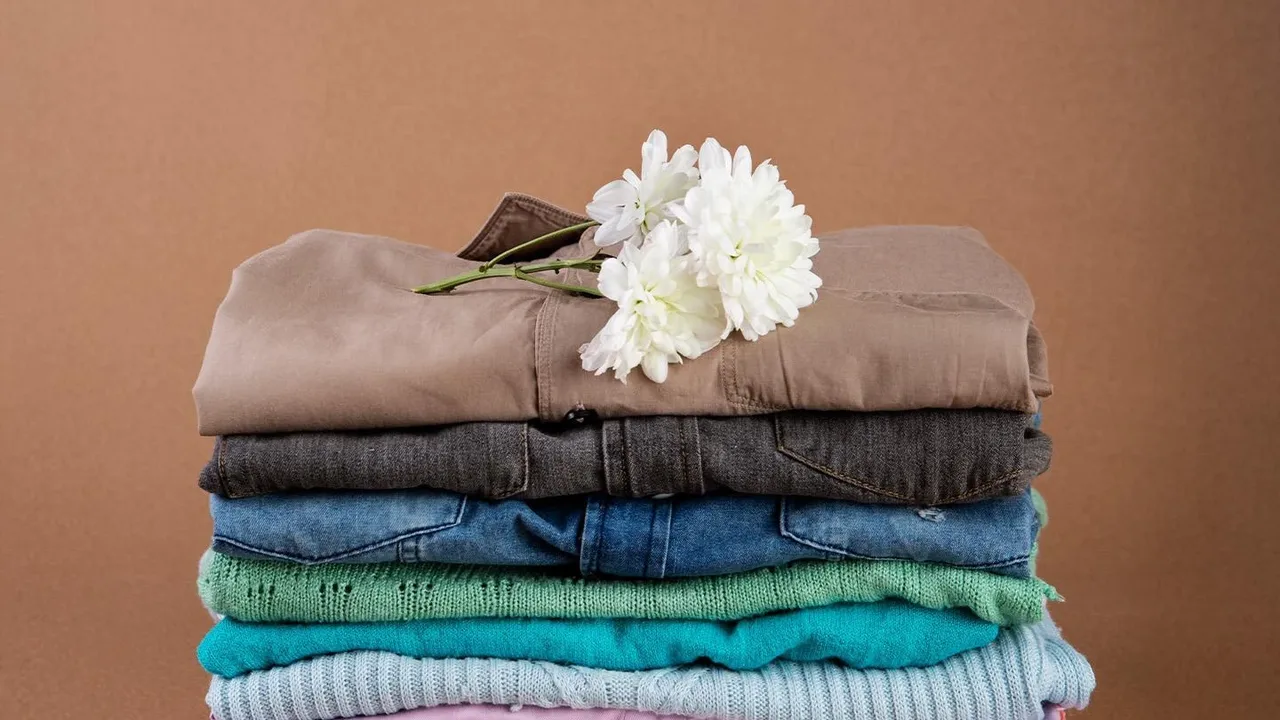
Just as some fabrics protect wool, others are particularly damaging. Coarsely woven materials are the primary offenders. Be wary of heavy, non-stretch denim, canvas, and some rugged synthetic fabrics like certain polyesters or acrylics. These materials often have a stiffer, more abrasive texture that can easily catch and break wool fibres. Pay close attention to your outerwear and accessories as well. A canvas backpack, a seatbelt, or a coat with rough hardware or a coarse lining can cause targeted pilling in specific areas. While you don't have to avoid these items entirely, being mindful of them can help you protect your delicate knits from unnecessary wear.
The Underlayer Strategy
One of the most effective ways to protect a prized wool sweater is to wear a soft, smooth layer underneath. A long-sleeved top made from silk, Tencel, or even a high-quality bamboo viscose can act as a protective barrier. This underlayer serves two purposes. First, it minimises friction between the wool and your skin. Second, it absorbs body oils and perspiration, which means you won't have to wash your woollen garment as frequently. Since washing, even when done carefully, contributes to wear and tear, reducing wash frequency is a cornerstone of good wool care.
A Holistic Approach to Wool Care
Mindful layering is a key part of clothing care, but it works best when combined with other good habits. When you do need to wash your woollens, always turn them inside out to protect the outer surface. Use a gentle, pH-neutral wool-specific detergent in cold water, as harsh enzymes and high heat can damage the fibres. Avoid fabric softeners, which can coat the fibres and paradoxically increase pilling. After washing, never wring the garment out. Instead, gently squeeze out excess water, roll it in a towel to absorb more moisture, and lay it flat to dry away from direct heat or sunlight. When storing, fold your knits instead of hanging them to prevent stretching.