
The Plant-Based Bioavailability Challenge
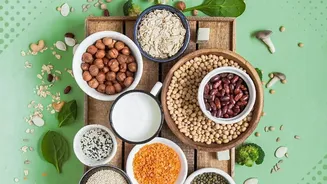
Plant-based diets are celebrated for their health benefits, but they come with a small nutritional puzzle. The iron found in plants, known as non-heme iron, is notoriously harder for our bodies to absorb than the heme iron found in meat. Its absorption
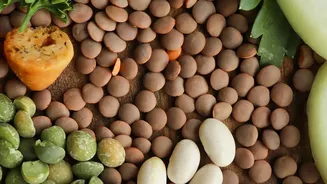
rate can be as low as 2%, compared to up to 35% for heme iron. This is because plants contain natural compounds like phytates (in grains and legumes) and polyphenols (in tea and coffee) that bind to iron, preventing it from being readily used by your body. This means that even if a food label says it's high in iron, a significant portion might not make it into your bloodstream.
Vitamin C: The Key to Unlocking Nutrients
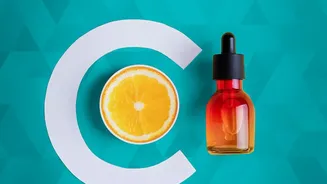
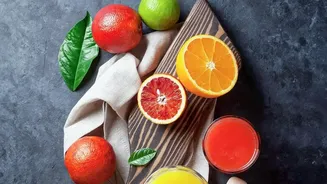
This is where vitamin C, or ascorbic acid, becomes a nutritional superhero. When you consume vitamin C alongside a plant-based meal, it works its magic in two key ways. First, it helps convert the plant-based iron (ferric iron) into a form (ferrous iron) that your gut can absorb much more easily. Second, it forms a protective bond with the iron, keeping it soluble and preventing it from being locked up by inhibitors like phytates. This simple act of pairing can increase iron absorption by a significant margin. While its primary role is with iron, vitamin C is also essential for synthesising collagen, a protein vital for body growth and repair, making it a valuable partner in overall nutrient utilisation.
Smart and Simple Food Pairings
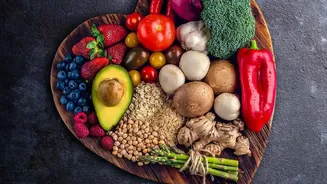
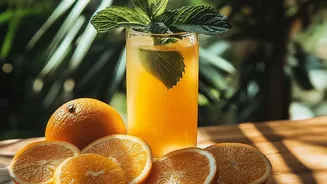
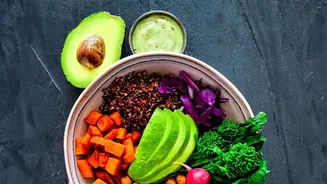
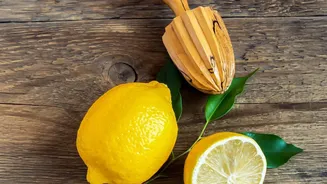
Making this science work for you is easy and delicious. The goal is to combine an iron-rich plant food with a vitamin C-rich one in the same meal. You don't need supplements; whole foods work perfectly. Just 50 milligrams of vitamin C—about half a bell pepper—is enough to make a difference. Think about adding a squeeze of lemon or lime to your dal or bean curry. This classic Indian practice is a perfect example of smart food pairing. A salad of spinach and chickpeas topped with a lemon vinaigrette and sliced bell peppers is another powerful combination. For breakfast, try adding strawberries, kiwi, or other berries to your oatmeal or fortified cereal. The vitamin C in the fruit will help you absorb the iron from the grains.
Delicious Meal Ideas for a Nutrient Boost
Putting it all together can be simple and fit into your daily routine. For lunch, a hearty lentil soup loaded with tomatoes and a side of broccoli is an excellent choice. The tomatoes and broccoli provide the vitamin C to unlock the iron in the lentils. For dinner, consider a tofu stir-fry with a colourful mix of bell peppers, broccoli, and a squeeze of orange or lemon juice in the sauce. Even a simple snack can be optimised: enjoy a handful of dried apricots, which contain both iron and some vitamin C, or pair iron-rich pumpkin seeds with a citrus fruit. The possibilities are endless and allow you to be creative in the kitchen while boosting your nutrient intake.
What to Keep in Mind
Just as some foods enhance absorption, others can hinder it. The tannins found in tea and coffee are potent inhibitors of non-heme iron absorption. To maximise your iron uptake, it’s best to enjoy your tea or coffee at least an hour or two before or after your iron-rich meals, rather than with them. Similarly, while calcium is an essential mineral, high amounts from dairy products or supplements can interfere with iron absorption, so it's wise to separate your calcium-rich snacks from your main iron-focused meals when possible. By being mindful of not just what you eat, but when you eat it, you can ensure your body gets the full benefit of your healthy diet.