


What Exactly Is a Modern Den?
Forget the 1970s stereotype of dark wood paneling and shag carpets. Today’s den is a stylish, multi-purpose retreat designed for personal activities, not formal entertaining. Unlike a living room, which is often centrally located and designed to impress
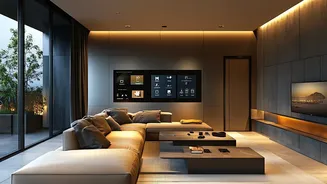
guests, a den is typically a smaller, more intimate space tucked away from the home's main traffic areas. It’s not quite a family room, which is usually larger and open to the kitchen, nor is it strictly a home office. Instead, the 2026 den is a flexible sanctuary—a private room for reading, listening to music, pursuing a hobby, or simply unwinding away from the constant connectivity of modern life. It’s a room with a purpose that is defined by its user, whether as a quiet library, a yoga corner, or a media room for family movie nights.
Why the Sudden Resurgence?
The return of the den is a direct response to our changing lifestyles. The pandemic reshaped how we use our homes, revealing the limitations of open-concept layouts where everyone was together all the time. This created a craving for privacy and smaller, compartmentalized spaces that offer a sense of shelter and calm. Designers note that clients are increasingly asking for rooms with a clear, intentional purpose beyond entertaining. In an age of digital burnout, the den provides a much-needed “analog” space for offline activities. It's a retreat that values comfort over formality, a significant shift from showcasing fine china to creating zones for genuine relaxation and personal fulfillment.
The Anatomy of a 2026 Den
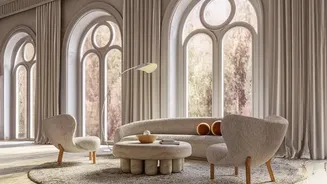
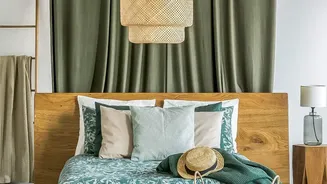
Creating this cozy haven is all about intentional choices in materials, color, and lighting. Warm, earthy palettes are taking over, with sandy beiges, creamy ivories, and muted greens creating a calming backdrop. Texture is paramount for adding depth and warmth; think layered rugs, plush cushions, and tactile fabrics like boucle, velvet, or chunky knits. While the iconic wood-paneled walls can still work, modern interpretations might use a single accent wall or limewash for a softer effect. Lighting is layered to create an ambient glow, combining overhead fixtures with wall sconces and table lamps to foster a relaxing mood. A fireplace often serves as the room’s heart, enhancing the feeling of a snug retreat.
Furnishing for Comfort and Connection
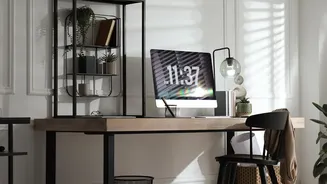
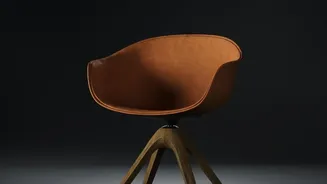
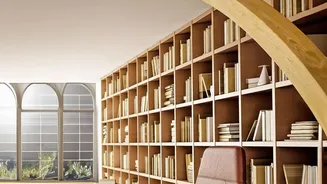
Furniture in a den prioritizes comfort and function. Instead of large sectionals designed solely for TV viewing, the trend is toward a mix of comfortable sofas and individual armchairs, often arranged to encourage conversation. Deep-seated, low-slung furniture invites you to curl up with a book. Materials like warm leather can give a classic den feel, but casual slipcovered pieces can make a small room feel intimate without being overstuffed. Multifunctional furniture is also key, especially in smaller homes. Built-in shelving is perfect for displaying books and personal treasures, while a stylish secretary desk can provide a workspace that closes up when not in use. The goal is to create a space that feels personal, collected, and above all, lived-in.
Carving Out Your Own Sanctuary
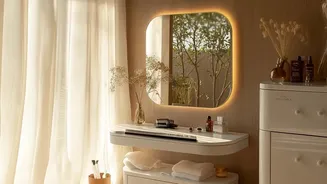
You don’t need a sprawling house to enjoy the benefits of a den. Many homeowners are transforming awkward or underutilized spaces—a small spare bedroom, a wide hallway landing, or even a section of a larger room—into a dedicated cozy corner. The key is to define the space. Use a rug to anchor the zone, arrange furniture to create a sense of enclosure, and use focused lighting to craft a distinct mood. In modern apartments, dens are often included as flexible rooms without windows that can adapt to residents' needs, serving as everything from a nursery to a craft room. Ultimately, the den’s comeback signals a move toward homes that support our well-being, offering a private escape to recharge and reconnect with ourselves.