







Why July Demands Extra Caution
July is the heart of India's southwest monsoon, a season that transforms the subcontinent but also introduces significant travel risks. Unlike predictable drizzles, the monsoon brings heavy, often torrential downpours that can lead to flash floods, waterlogging
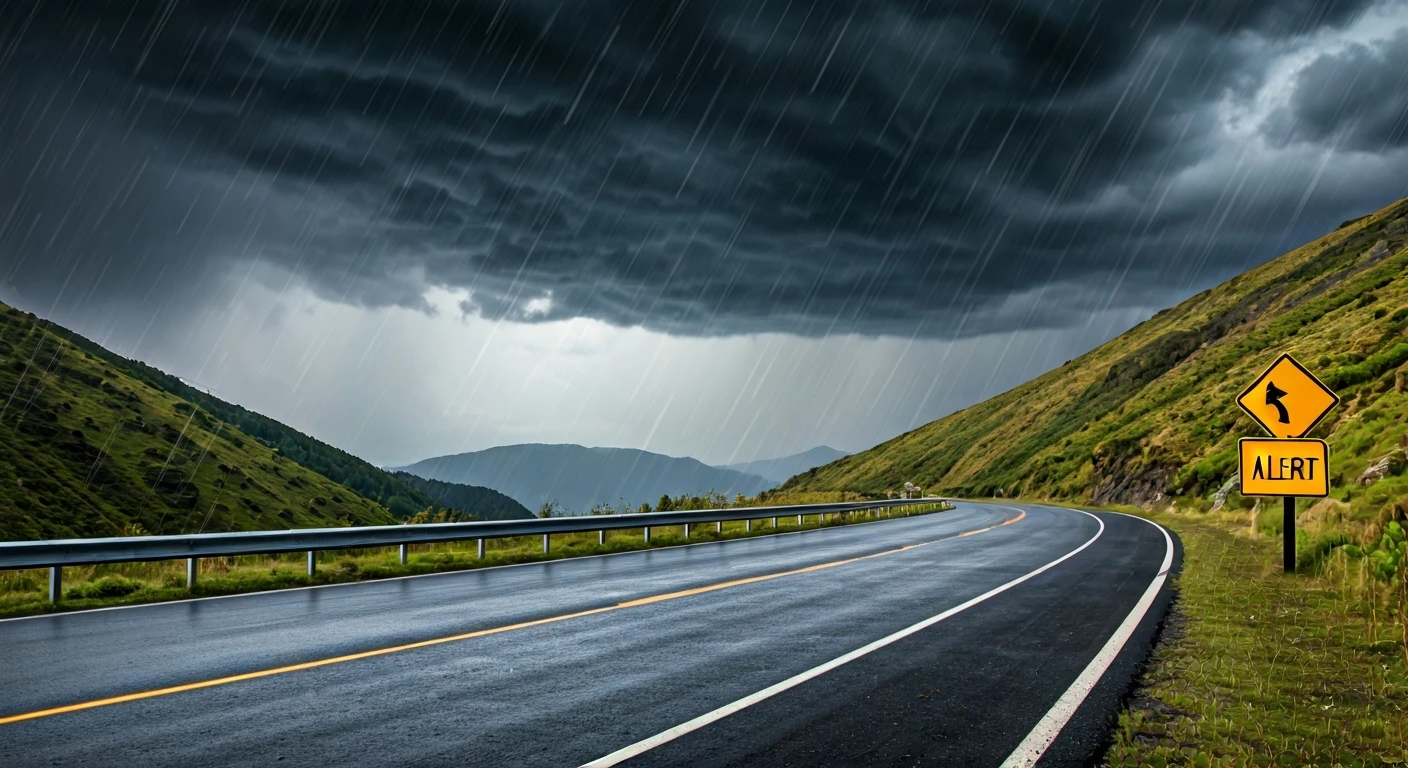
in cities, and dangerous landslides, particularly in hilly regions like Uttarakhand, Himachal Pradesh, and the Western Ghats. The India Meteorological Department (IMD) frequently issues alerts for heavy to very heavy rainfall across multiple states during this period. These are not just minor inconveniences; they can cause severe travel disruptions, including flight delays, cancelled trains, and blocked roads, sometimes leaving travellers stranded. The risk isn't just about getting wet—it's about navigating a landscape where the weather can create genuine hazards with little warning.
Go Beyond a Simple Forecast
A quick glance at a weather icon for rain is not enough. For July travel, a deeper dive is necessary. Look for multi-day forecasts to understand the weather pattern for your entire trip, not just the day you arrive. Pay attention to the predicted intensity of the rainfall—is it light showers or a warning for 'heavy to very heavy' precipitation? Many modern weather apps provide hourly breakdowns, which can help you plan daily activities around expected downpours. Also, check for alerts on thunderstorms, lightning, and strong winds, which are common accompaniments to monsoon rains. The IMD's official website and apps are crucial resources for formal warnings, such as orange or red alerts, which signal the need for extreme caution. It is also wise to check the weather along your entire route, not just at your final destination, especially for road trips.
Your Digital Weather Toolkit
Equipping your smartphone with the right applications is a key step in modern monsoon travel. The official 'Mausam' app from the IMD is an excellent resource for accurate, government-issued alerts on everything from rain to cyclones. Other apps like 'Damini' provide specific warnings about lightning strikes. Globally recognized apps like AccuWeather are also effective in India and provide detailed hourly forecasts. For those who want more advanced data, Windy offers detailed maps showing wind, rain, and storm patterns, which can be invaluable for trekkers and those heading to coastal areas. Private Indian forecasters like Skymet Weather also offer reliable apps, often with analysis and news stories that provide additional context to the forecasts. Using a combination of these resources provides a more comprehensive picture of what to expect.
Pack for Plausibility, Not Just Plans
Your packing list should reflect the weather's unpredictability. Prioritize quick-drying synthetic fabrics like polyester and nylon over cotton, which takes a long time to dry in high humidity. A lightweight, waterproof rain jacket or poncho is non-negotiable. Footwear should be waterproof with a good grip; rubber sandals or floaters are often better than closed shoes that trap water. Protect your valuables by using waterproof bags or covers for backpacks and individual ziplock pouches or dry bags for electronics, documents, and cash. Power outages can be common, so carrying a fully charged power bank is a smart move. Finally, a basic medical kit with remedies for common monsoon ailments, along with insect repellent, is essential for a safe journey.
Stay Flexible and Ready to Adapt
The most important travel accessory during the monsoon is a flexible mindset. Weather conditions can change rapidly, and your well-laid plans might need to be adjusted. Always have a backup plan or be prepared to spend a day indoors. Booking accommodations with flexible cancellation policies can save you from financial loss if the weather forces a change of plans. If you are on a road trip, avoid travelling at night, especially in hilly areas where visibility is poor and the risk of landslides increases. Keep communication lines open by ensuring your phone is charged and consider sharing your itinerary with family or friends. Acknowledging the power of nature and being willing to adapt is the ultimate rule for safe and successful travel in July.