








What Exactly Is Chrononutrition?
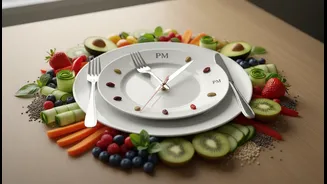
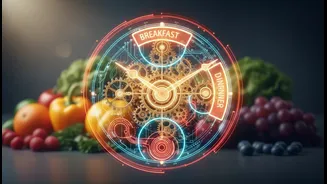
Chrononutrition is a field of study focused on how our health is affected by the timing of our meals. It’s based on the science of circadian rhythms — the 24-hour internal clocks that run in the background of your body, controlling everything from your sleep-wake
cycle to your metabolism and hormone production. The core principle is to eat in sync with these natural cycles. Instead of just focusing on calories or food groups, chrononutrition suggests that our bodies are better equipped to digest and process nutrients at certain times of the day. When eating patterns are misaligned with this internal clock, it can lead to metabolic issues and weight gain. It’s less of a restrictive diet and more of a lifestyle adjustment that honours your body’s inherent biological rhythms.
The Science of Meal Timing
Your body's ability to manage food isn't constant throughout the day. For example, insulin sensitivity—your body's ability to use glucose from carbohydrates—is typically highest in the morning and decreases as the day goes on. Eating a large, carbohydrate-heavy meal late at night, when your body is less prepared to handle it, can lead to higher blood sugar spikes and promote fat storage. The circadian system coordinates rhythms in glucose regulation, lipid metabolism, and blood pressure. Environmental cues like sunlight, exercise, and, importantly, eating times, help reset these clocks daily. When we eat at irregular times, skip meals, or eat late into the night, we can disrupt these finely tuned processes, which may contribute to weight gain even if total calorie intake doesn't increase.
Make Breakfast Count
According to chrononutrition principles, morning is the ideal time for a substantial, nutrient-dense meal. After an overnight fast, your metabolism is ready to get to work. Eating within an hour or two of waking can help kickstart your energy for the day. Skipping breakfast has been linked with a higher risk of several chronic diseases and may disrupt the expression of genes that control our internal clocks. Aim for a breakfast rich in protein and healthy fats. This combination helps stabilize blood sugar, promotes satiety, and provides sustained energy. This contrasts with a high-sugar breakfast, which can lead to a quick spike and subsequent crash in energy levels, leaving you feeling sluggish by mid-morning.
Lunch as Your Main Meal
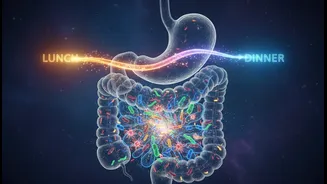
As the day progresses, your digestive system hits its peak performance. This makes lunchtime the optimal window for your largest meal of the day. Your body is primed to efficiently break down and absorb nutrients during this period. Research suggests that front-loading your calories—consuming the bulk of them earlier in the day—can be beneficial for weight management and metabolic health. A balanced lunch containing protein, complex carbohydrates, and plenty of vegetables will provide the fuel needed for the afternoon without causing a major energy slump. This approach aligns with your body's natural rhythms, allowing it to use the energy provided effectively rather than storing it as fat.
A Lighter, Earlier Dinner
As evening approaches, your body's internal clock begins preparing for rest and repair. Your metabolism and digestion naturally slow down. This is why chrononutrition advises making dinner a lighter meal and consuming it earlier, ideally finishing at least two to three hours before you go to sleep. Eating a large meal late at night can interfere with sleep quality and hormone regulation. Your body’s satiety hormone, leptin, is highest in the evening, which naturally helps reduce appetite. Opting for easily digestible foods like lean proteins, cooked vegetables, or soups can support better sleep and allow your digestive system to rest overnight, which is crucial for cellular repair and overall health.