







The Supreme Court's Landmark Directive
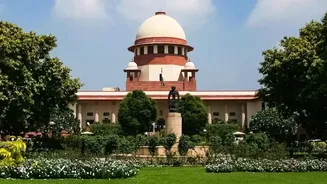
In a significant move for passenger welfare, the Supreme Court of India on October 6, 2026, directed the Indian Railways to extend travel insurance coverage to all passengers, including those who purchase their tickets offline at railway counters. The
court has set a firm deadline of October 27, 2026, for this mandate to be implemented. This decision came during the hearing of a petition filed in the wake of the tragic Odisha train accident in June 2023, which highlighted gaps in passenger safety and compensation mechanisms. The court noted that denying this facility to offline ticket buyers, who often belong to the lowest socioeconomic strata and live in remote areas, was unfair.
Why This Order Was Necessary
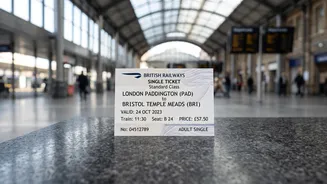
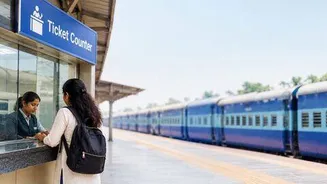
Until this ruling, the optional travel insurance, costing a nominal fee, was only available to passengers booking their tickets through the IRCTC website or app. This created a significant disparity. While over 87% of reserved tickets are now booked online, a substantial number of travellers, particularly those in general compartments and from less digitally-savvy backgrounds, still rely on physical ticket counters. These passengers were left without an easy option for insurance coverage. The Supreme Court recognised this gap, stating that it had given authorities ample time to create a mechanism for inclusivity but had seen no progress, prompting the mandatory directive. The court placed the responsibility for implementation squarely on the Railway Board.
Decoding the Insurance Coverage
The travel insurance offered to train passengers provides a crucial financial safety net in the event of a train accident or other 'untoward incidents' as defined under the Railways Act, 1989. For a premium of just 45 paise per passenger, the existing scheme for online tickets offers significant coverage. This includes up to ₹10 lakh for accidental death or permanent total disability, up to ₹7.5 lakh for permanent partial disability, and up to ₹2 lakh for hospitalisation expenses. Additionally, it provides ₹10,000 for the transportation of mortal remains. The coverage is valid for the entire journey, from the process of boarding the train to disembarking at the destination.
What Changes for Passengers Now?
Starting October 27, 2026, all tickets sold at railway counters must also be covered by insurance, similar to online tickets. This judicial order makes the coverage mandatory for offline tickets, rather than an optional feature. While the premium for online tickets is a mere 45 paise, it remains to be seen how the Railways will integrate this process at crowded ticket counters and whether the cost will remain the same. This move ensures that every passenger, regardless of how they purchase their ticket, has access to financial protection. It eliminates the previous two-tier system and strengthens the rights of all travellers across the vast Indian Railways network.
Filing a Claim and Other Protections
It is important to remember that this insurance is separate from the compensation the Railways is liable to pay under the Railways Act, which can be up to ₹8 lakh for death or permanent disability. To claim the travel insurance, the passenger's nominee or legal heir must contact the designated insurance company directly, not the Railways. The claim process typically requires submitting a claim form, a report from railway authorities confirming the accident, the ticket details, and relevant medical or death certificates within a specified period, usually four months. Passengers who opt for insurance online are also reminded to fill in their nominee details on the insurer’s portal to ensure a smooth claim process for their family if the need arises.