








India's Address in Low Earth Orbit
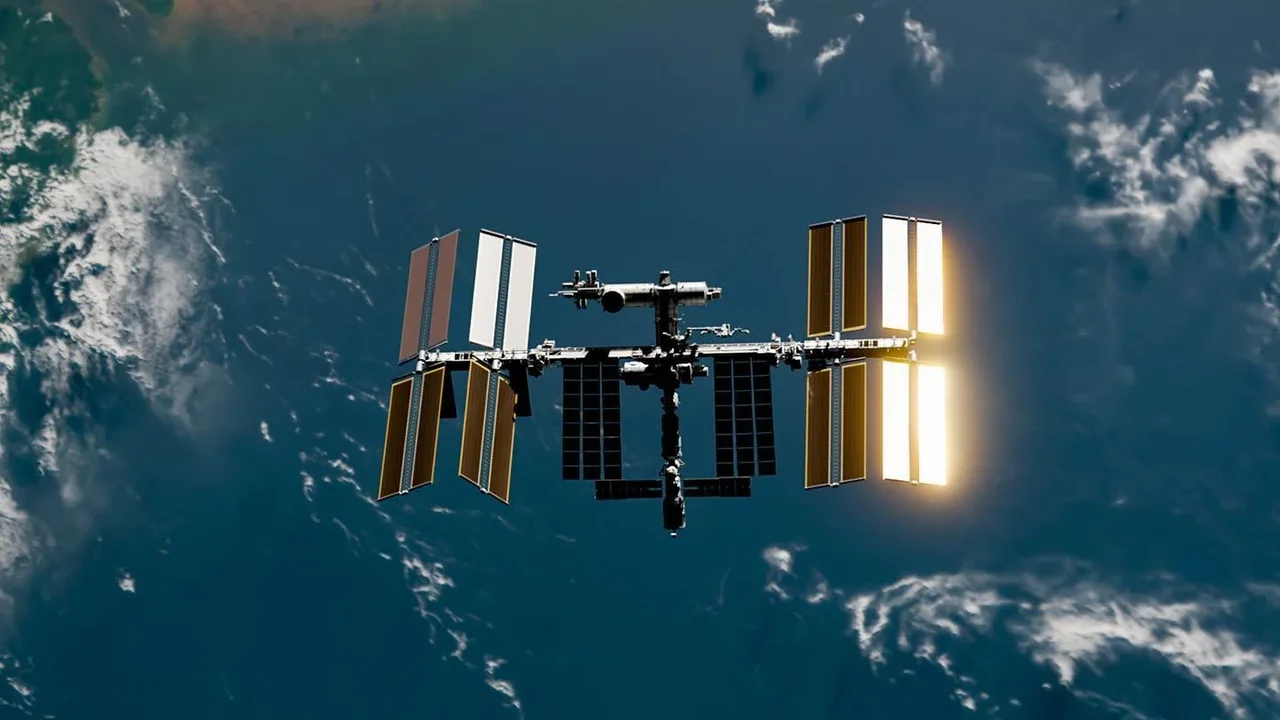
The Bharatiya Antariksha Station (BAS) is ISRO's answer to the next era of space exploration. Planned to be fully operational by 2035, this modular station will be assembled in phases, piece by piece, in a Low Earth Orbit approximately 400-450 kilometres
above our heads. The journey begins with the launch of the first module, BAS-01, targeted for 2028. This initial component is a crucial testbed for life support, docking, and power systems. Over the following years, four more modules will be launched and connected, culminating in a 52-tonne orbital outpost designed to host three to four astronauts for missions lasting three to six months. This entire endeavor builds upon the foundation of the Gaganyaan mission, which is developing the core technologies to safely transport Indian astronauts to and from space.
A Laboratory Unlike Any on Earth
The primary purpose of the Bharatiya Antariksha Station is science. The unique microgravity environment—the constant state of freefall—allows for experiments impossible to conduct on Earth. One of the key research areas will be human physiology. Scientists will study the long-term effects of space on the human body, such as muscle atrophy and bone density loss, providing vital data for future deep-space missions, including India's ambition to send an astronaut to the Moon by 2040. This research has direct applications on Earth, fast-tracking studies into conditions like osteoporosis.
Breakthroughs in Medicine and Materials
Beyond human biology, the station will be a hotbed for innovation in materials science and biotechnology. In the absence of gravity, scientists can grow purer crystals for use in advanced electronics and pharmaceuticals. They can also develop novel metal alloys and medicines that are difficult to create when gravity influences every process. The station will provide a platform for researchers and even private startups to test new technologies, fostering a new wave of innovation within India's growing space economy. From developing new drugs to manufacturing specialised materials, the BAS is designed to be a hub of discovery.
A Stepping Stone to Deeper Space
The BAS is more than just a destination; it's a critical stepping stone. Operating the station will give ISRO invaluable experience in long-duration human spaceflight, rendezvous and docking procedures, and managing complex life-support systems in a closed loop. These are all non-negotiable capabilities for sending humans on longer and more complex journeys, such as missions to the Moon or even Mars. The successful SpaDeX (Space Docking Experiment) mission was a major milestone, proving India has the core technology required to assemble the station in orbit. The BAS will serve as a training ground for astronauts and a testbed for the hardware needed to make these future ambitions a reality.
India's Strategic Place in the Cosmos
With the International Space Station (ISS) scheduled for decommissioning in the coming decade, a vacuum is opening up in low-Earth orbit. The Bharatiya Antariksha Station positions India to become a key player in this new era. Having an independent station provides strategic autonomy, ensuring India is not dependent on other nations for conducting sensitive research or gaining access to space. It enhances India's global standing, opening doors for international collaboration on its own terms and cementing its reputation as a leading space-faring nation. The station represents a powerful statement of India's technological self-reliance and its vision for the future of exploration.